




24 Sep TOP 20 CALENDAR PLATFORM MARKETING STATISTICS 2025
I’ve been diving deep into the numbers behind how businesses plan, schedule, and execute their campaigns, and I’m excited to share what I’ve found. These calendar platform marketing statistics really highlight just how much companies rely on smart scheduling tools to keep their strategies organized and effective. As someone who loves blending creativity with data, I couldn’t help but notice how these insights can change the way we think about planning. To make sure I’m bringing you the most valuable takeaways, I also looked into research from a leading marketing agency in New York, and their expertise continues to prove how vital these platforms are in today’s competitive landscape.
Top 20 Calendar Platform Marketing Statistics 2025 (Editor’s Choice)
| Stat # | Statistic | Detail |
|---|---|---|
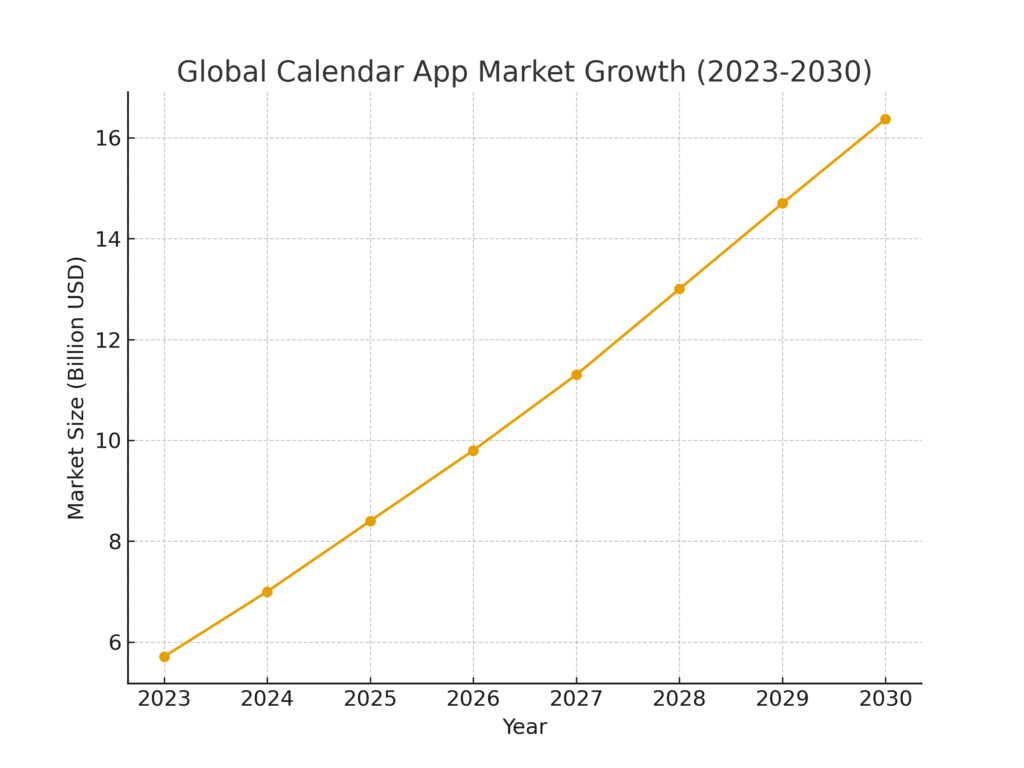
| 1 | Calendar App Market Valued at USD 5.71 Billion | The market was valued at USD 5.71 billion in 2023, highlighting rapid adoption of digital scheduling tools. |
| 2 | Market Projected to Reach USD 16.37 Billion by 2030 | Expected to grow at a CAGR of 10.4%, reaching USD 16.37 billion by 2030. |
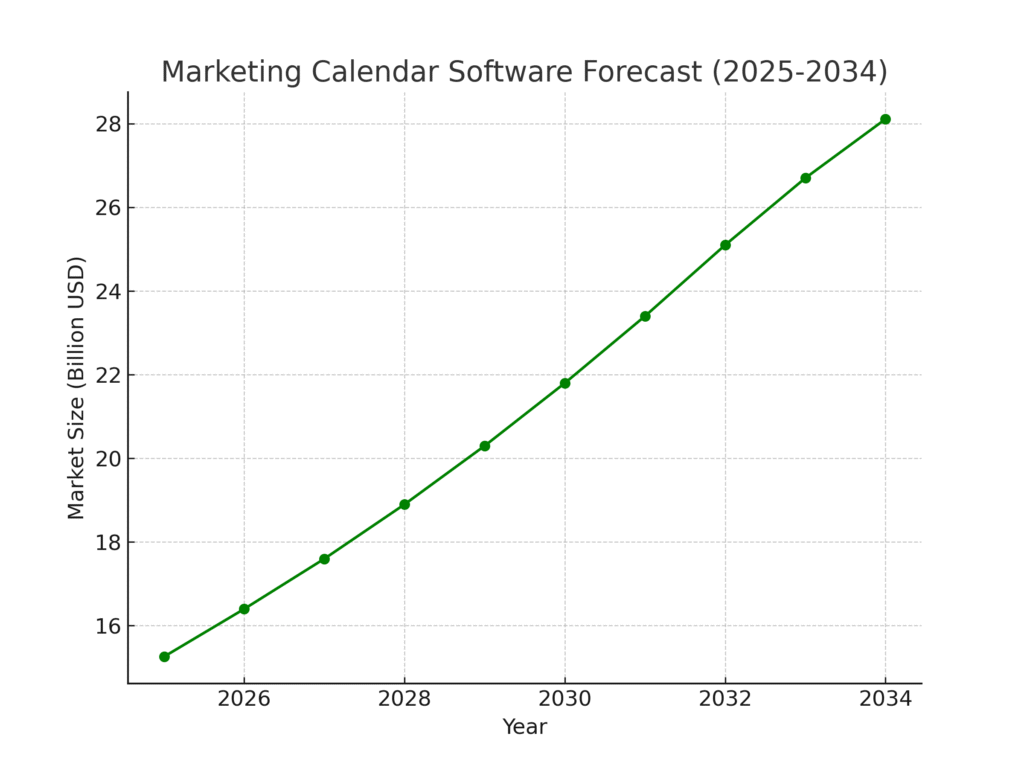
| 3 | Marketing Calendar Software Forecast USD 28.11 Billion | Projected to grow from USD 15.26 billion in 2025 to USD 28.11 billion by 2034. |
| 4 | Market Valued at USD 4.3 Billion | Set to reach USD 9.6 billion by 2032 with CAGR of 9.3%. |
| 5 | Forecast to Exceed USD 1.5 Billion by 2037 | Expected to cross USD 1.5 billion, growing at 10.6% CAGR. |
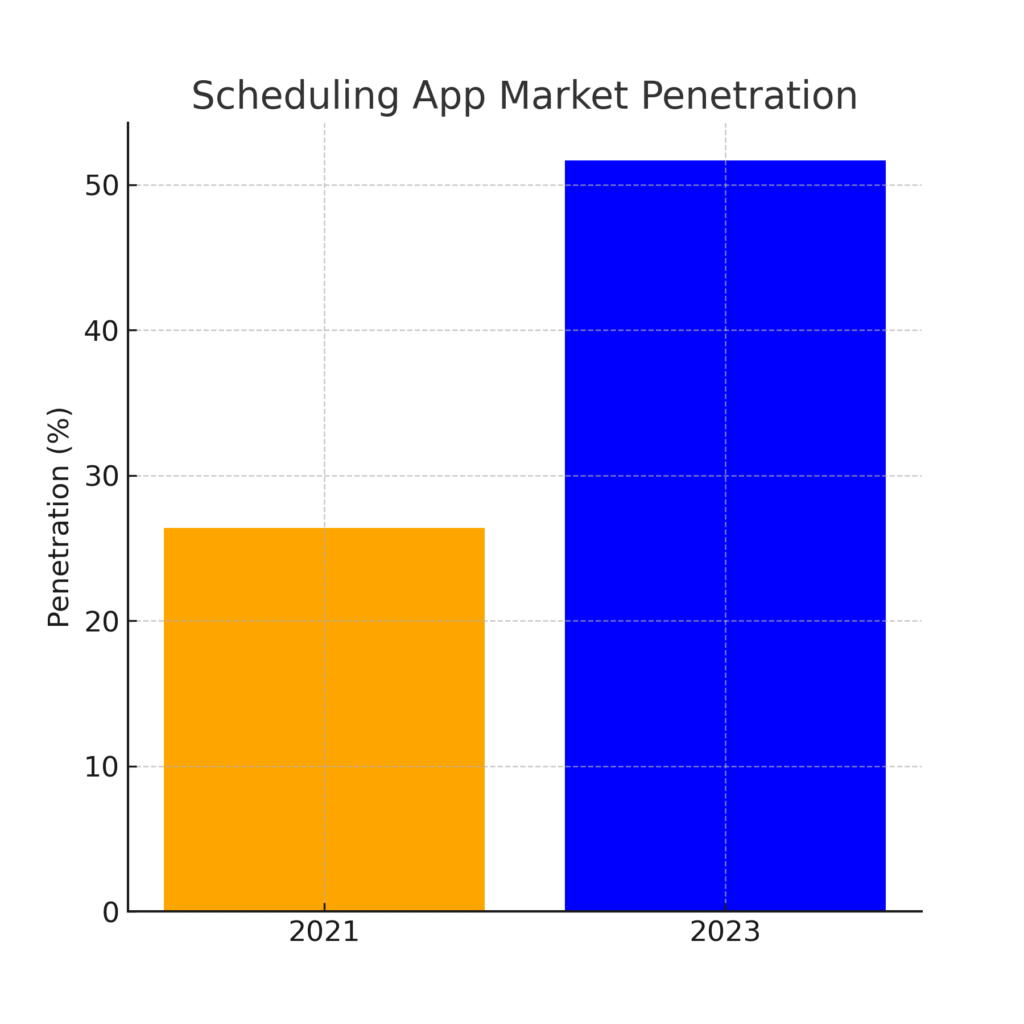
| 6 | Scheduling App Penetration at 51.68% | Adoption surged from 26.37% in 2021 to over 51% in 2023. |
| 7 | Cloud-Based Deployment Leads Adoption | Cloud platforms dominate due to collaboration, cost savings, and flexibility. |
| 8 | Small Businesses Hold 45% Market Share | SMBs represent a significant portion of software adoption. |
| 9 | Campaign and Content Management Key Uses | Primary applications include campaign scheduling, events, and content planning. |
| 10 | Subscription Pricing Generates 55% Revenue | SaaS-based subscription models account for more than half of total revenue. |
| 11 | Freemium Models Make Up 15% Market | Freemium strategies drive early adoption by offering basic free versions. |
| 12 | AI and Predictive Analytics to Shape Growth | Future platforms will leverage AI for smart scheduling and campaign optimization. |
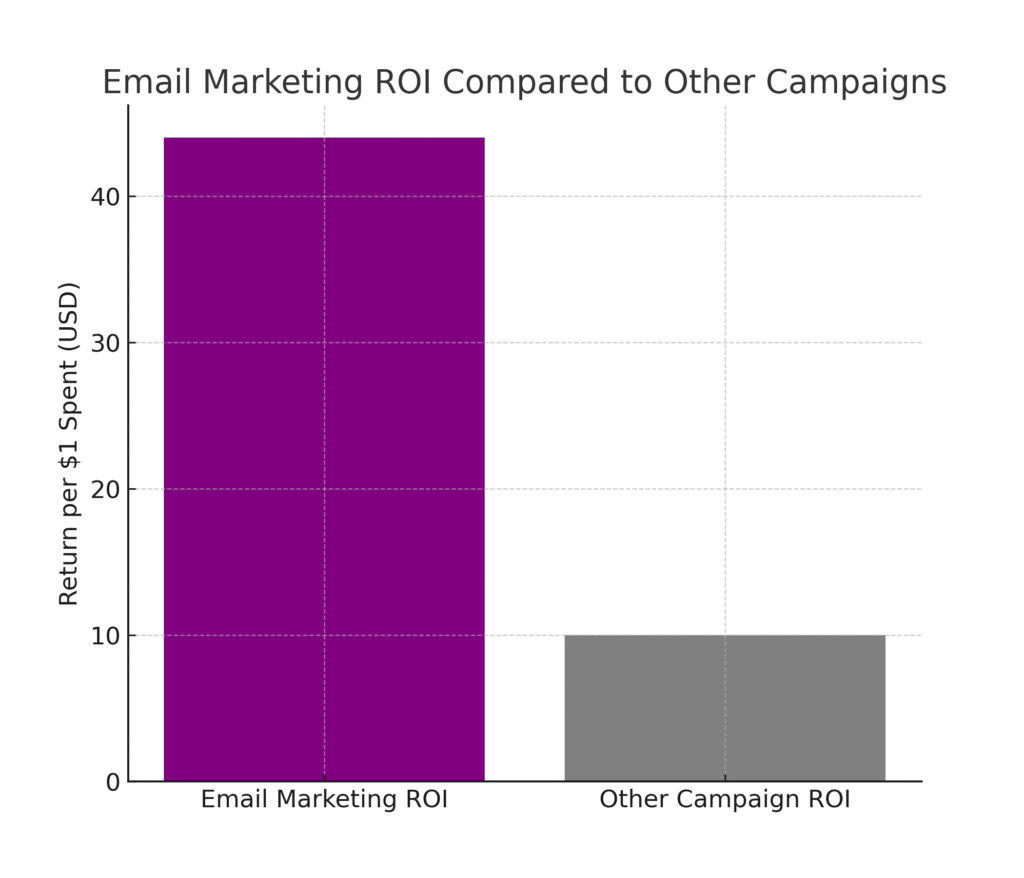
| 13 | Email Marketing ROI Reaches 44x | Email campaigns generate $44 for every $1 spent, boosted by scheduling tools. |
| 14 | Segmented Campaigns Drive 77% ROI | Targeted campaigns outperform batch sends, powered by precise calendars. |
| 15 | Average Email Open Rate Stands at 19% | Global open rates hover around 19%, optimized with smart scheduling. |
| 16 | Open Rates Vary by Industry | Marketing industry achieves 39% open rates, while e-commerce reaches 31%. |
| 17 | Automated Emails Convert 180% Better | Automation achieves 180% higher conversion rates than batch campaigns. |
| 18 | 87% of Brands Increasing Budgets | Nearly nine in ten brands are investing more in email marketing campaigns. |
| 19 | Nonprofits Send 62 Emails Per Subscriber | Nonprofits average 62 messages annually, requiring precise scheduling. |
| 20 | 50% of B2B Marketers Rank Email Most Impactful | Half of B2B marketers say email drives the most impact in multichannel strategies. |
Top 20 Calendar Platform Marketing Statistics 2025
Calendar Platform Marketing Statistics #1: Calendar App Market Valued At USD 5.71 Billion In 2023
The calendar app market has seen impressive growth, with a valuation of USD 5.71 billion in 2023. This reflects the rising demand for digital scheduling tools in both personal and professional contexts. Businesses rely on these platforms to streamline campaigns, coordinate teams, and meet deadlines efficiently. The growth also highlights a shift away from traditional spreadsheets and toward specialized scheduling apps. As adoption increases, these platforms will become even more essential for modern marketers.
Calendar Platform Marketing Statistics #2: Market Projected To Reach USD 16.37 Billion By 2030
By 2030, the calendar app market is projected to reach USD 16.37 billion, showing a CAGR of around 10.4%. This trajectory points to long-term reliance on digital scheduling solutions. Marketers can expect advanced integrations with CRM, social media, and analytics tools. Such growth signals that platforms will evolve into multi-purpose planning hubs. The prediction underscores how central calendars have become to strategy execution.
Calendar Platform Marketing Statistics #3: Marketing Calendar Software Forecast To Hit USD 28.11 Billion By 2034
Marketing calendar software is expected to grow from USD 15.26 billion in 2025 to USD 28.11 billion by 2034. This 7.20% CAGR illustrates the scalability and staying power of these tools. Companies are increasingly adopting them for campaign management and content scheduling. The long-term forecast shows confidence in their role as marketing backbones. This trend makes it clear that planning platforms are not just temporary solutions, but critical business assets.
Calendar Platform Marketing Statistics #4: Market Valued At USD 4.3 Billion In 2023, Projected USD 9.6 Billion By 2032
One report valued the global marketing calendar software market at USD 4.3 billion in 2023. It predicts growth to USD 9.6 billion by 2032 with a CAGR of 9.3%. This highlights a steady expansion across industries. Marketing professionals are adopting tools for campaign visibility and collaborative planning. The figures prove that efficiency-driven tools are becoming non-negotiable for businesses.
Calendar Platform Marketing Statistics #5: Forecast To Exceed USD 1.5 Billion By 2037
Another forecast valued the market at USD 386.7 million in 2024, expecting it to exceed USD 1.5 billion by 2037. That equals a CAGR of 10.6% over the forecast period. The variance in numbers across studies reflects differences in how platforms are defined. Still, the common thread is strong upward momentum. Marketers will benefit from new features and deeper integrations as growth continues.
Calendar Platform Marketing Statistics #6: Scheduling App Market Penetration Reached 51.68% In 2023
By 2023, more than half of organizations were using scheduling apps. Market penetration rose sharply from just 26.37% in 2021 to 51.68%. This shows how quickly digital adoption is spreading. Companies that adopt these apps enjoy improved team coordination and productivity. As adoption grows, laggards risk falling behind competitors who leverage structured planning.
Calendar Platform Marketing Statistics #7: Cloud-Based Deployment Leads Adoption
Cloud-based deployment dominates the marketing calendar software market. This model allows teams to collaborate from anywhere, supporting remote and hybrid work structures. It also reduces infrastructure costs, making tools accessible for smaller organizations. Cloud platforms provide flexibility, real-time updates, and seamless integrations. These benefits explain why businesses overwhelmingly prefer cloud solutions.
Calendar Platform Marketing Statistics #8: Small Businesses Hold 45% Market Share
Small businesses account for nearly 45% of revenue in the marketing calendar software market. This highlights how accessible these tools have become, even for smaller budgets. They allow small teams to manage campaigns like larger enterprises. Scalability and ease of use make them particularly attractive to startups. Their adoption demonstrates the democratization of marketing technology.
Calendar Platform Marketing Statistics #9: Campaign, Event, And Content Management Are Key Use Cases
Within marketing calendar platforms, campaign management and content scheduling are leading applications. Event planning and social media management also drive adoption. Marketers rely on these features to plan launches, track content calendars, and manage deadlines. Integration with analytics tools makes results measurable. This shows that calendars serve as multi-purpose hubs rather than single-use tools.
Calendar Platform Marketing Statistics #10: Subscription Pricing Model Generates 55% Revenue
More than 55% of marketing calendar software revenue comes from subscription pricing. This reflects the SaaS trend dominating modern software. Subscriptions allow businesses to scale usage without heavy upfront investment. They also ensure steady revenue streams for providers. Marketers benefit from frequent updates and ongoing customer support.
Calendar Platform Marketing Statistics #11: Freemium Models Make Up 15% Of Market
Freemium pricing accounts for about 15% of the market. These models attract users with free basic versions, then upsell premium features. For small teams, freemium access can be a cost-effective starting point. However, growth-oriented businesses often upgrade quickly. This model plays a key role in driving early adoption and market penetration.
Calendar Platform Marketing Statistics #12: AI And Predictive Analytics Expected To Shape Growth
Artificial intelligence is increasingly integrated into calendar platforms. Predictive analytics help marketers schedule content at peak engagement times. AI-driven tools also suggest campaign strategies and automate repetitive tasks. This reduces human error while boosting efficiency. The inclusion of AI points to smarter, more proactive calendar systems in the future.
Calendar Platform Marketing Statistics #13: Email Marketing ROI Reaches 44X Return
On average, email marketing delivers USD 44 for every USD 1 spent. Calendar platforms enhance this ROI by helping marketers schedule and coordinate email campaigns more effectively. They prevent overlap, track deadlines, and optimize send times. Integrated calendars improve campaign alignment across teams. These efficiencies amplify the strong ROI already inherent in email marketing.
Calendar Platform Marketing Statistics #14: Segmented Campaigns Drive 77% Of ROI
Segmented and triggered campaigns are responsible for 77% of email marketing ROI. Calendar platforms make segmentation easier by organizing targeted sends. They help ensure messages reach the right audiences at the right times. This drives higher engagement compared to mass campaigns. Scheduling tools thus directly support more profitable marketing strategies.
Calendar Platform Marketing Statistics #15: Average Email Open Rate Stands At 19%
The global average email open rate is around 19%. With calendars, marketers can test send times and adjust schedules to maximize open rates. Coordinated timing can make the difference between an ignored email and a successful one. Tracking these rates also feeds back into better planning. A structured calendar approach gives campaigns the best chance to break through crowded inboxes.
Calendar Platform Marketing Statistics #16: Open Rates Vary By Industry
Email open rates differ significantly by sector, with marketing and advertising seeing ~39.05% and e-commerce ~31.08%. Calendar platforms help industries tailor send schedules to their audience habits. By aligning campaign timing with specific industry benchmarks, marketers can outperform averages. This requires careful planning and testing. Ultimately, sector-specific strategies combined with calendar precision drive stronger results.
Calendar Platform Marketing Statistics #17: Automated Emails Convert 180% Better
Automated emails have conversion rates 180% higher than batch emails. Calendar platforms allow automation triggers to be organized within broader campaigns. This ensures that automated workflows align with scheduled launches and events. As a result, marketers can maximize conversions while maintaining consistency. The synergy of automation and planning makes calendars indispensable.
Calendar Platform Marketing Statistics #18: 87% Of Brands Plan To Increase Email Marketing Budgets
Nearly 9 in 10 brands plan to increase email marketing budgets. Calendar platforms will be critical in managing this expanded activity. As more campaigns roll out, structured planning prevents inefficiencies. This also ensures every dollar invested is tracked and optimized. The statistic reflects both confidence in email and reliance on calendars to manage it.
Calendar Platform Marketing Statistics #19: Nonprofits Send An Average Of 62 Emails Per Subscriber
Nonprofits send about 62 messages per subscriber each year. That represents a 9% increase compared to prior years. With such high frequency, scheduling becomes essential. Calendar platforms help nonprofits avoid overloading supporters with poorly timed messages. They also balance fundraising, event promotion, and advocacy communications within the calendar view.
Calendar Platform Marketing Statistics #20: 50% Of B2B Marketers Rank Email As Most Impactful Channel
Half of US B2B marketers say email is the most impactful channel in their multichannel strategy. Calendar tools help them align email alongside social, content, and event campaigns. This alignment ensures consistent messaging and maximizes reach. By coordinating across multiple platforms, calendars turn email into a central hub of B2B strategy. The stat shows how email and calendars work hand-in-hand for impact.
Wrapping Up the Numbers
Looking over these statistics, I can’t help but feel that calendar platforms are more than just organizational tools—they’re the heartbeat of modern marketing. They keep teams aligned, campaigns on track, and goals measurable in ways that weren’t possible just a few years ago. Personally, I think the most exciting part is how these platforms are evolving with AI and analytics to make scheduling even smarter. If you’ve ever felt overwhelmed by juggling deadlines, content, and campaign launches, these numbers show you’re not alone—and there’s real help out there. Here’s to making our calendars not just a reminder of what needs to be done, but a roadmap to better, more impactful marketing.
SOURCES
-
- https://llcbuddy.com/data/marketing-calendar-statistics/
- https://camphouse.io/blog/marketing-campaign-calendar
- https://www.similarweb.com/blog/marketing/marketing-strategy/event-calendar-guide/
- https://www.optimizely.com/insights/blog/marketing-statistics/
- https://digitalmarketinginstitute.com/blog/digital-marketing-trends-2025
- https://socialfirm.com/blog/how-using-a-content-calendar-makes-your-social-content-better/
- https://www.brandwatch.com/blog/social-media-holiday-calendar/
- https://qualifio.com/blog/marketing-calendar-2025-guide-top-events/
- https://www.omnisend.com/blog/marketing-calendar/
- https://recurpost.com/blog/digital-marketing-statistics/
- https://www.typeface.ai/blog/content-marketing-statistics/index.html
- https://www.quad.com/resources/research-and-tools/2025-marketing-calendar
- https://astute.co/the-benefits-of-using-a-content-calendar-for-your-marketing-strategy/
- https://blog.socialmediastrategiessummit.com/social-media-content-calendar/
- https://business.adobe.com/blog/how-to/build-a-marketing-campaign-calendar