




17 Sep TOP 20 COMMUNICATION TRAINING MARKETING STATISTICS 2025
When it comes to building stronger teams and winning client trust, clear communication isn’t just a soft skill—it’s a business necessity. That’s why I’ve pulled together this list of communication training marketing statistics to show just how powerful effective communication can be when tied to growth, productivity, and retention. From my own experience working with a leading marketing agency in New York, I’ve seen firsthand how investing in communication training makes campaigns smoother, teams more collaborative, and client relationships stronger. These numbers don’t just tell a story—they highlight what actually moves the needle for businesses that want to lead in competitive industries.
Top 20 Communication Training Marketing Statistics 2025 (Editor’s Choice)
📊 Communication Training Statistics 2025
Essential market insights and ROI data for communication skills development
| # | Category | Key Statistic |
|---|---|---|
1 |
Market Share |
Communication and productivity represent 41.2% of the soft skills training market in 2024, making it the largest component. |
2 |
Market Size |
The global soft skills training market was valued at $33.39 billion in 2024 and is projected to reach $92.59 billion by 2033. |
3 |
Growth Rate |
Training market exhibits a robust CAGR of 8.0%, expected to reach $264.31 billion by 2032. |
4 |
Corporate Training |
Global corporate training market valued at $361.5 billion in 2023, expected to reach $805.6 billion by 2035. |
5 |
Regional Leader |
North America dominates with 32.9% market share in soft skills training, driven by strong demand for workforce development. |
6 |
Market Control |
North America accounts for 35.2% of global training market revenue share in 2025. |
7 |
Workplace Failures |
86% of employees blame poor communication for workplace failures, highlighting critical training needs. |
8 |
Economic Impact |
Poor communication costs U.S. businesses $1.2 trillion annually in lost productivity and efficiency. |
9 |
Employee Burnout |
43% of employees experience burnout, stress, and fatigue due to workplace communication issues. |
10 |
Disengagement |
67% of employees report being disengaged, significantly impacting morale, performance, and innovation. |
11 |
Hiring Priority |
57% of international employers prioritize candidates with multidimensional communication skills over professional qualifications. |
12 |
Talent Shortage |
75% of employers globally struggle to find right talent, highlighting critical skills gap across industries. |
13 |
Graduate Gap |
35% of 2024 graduates are assessed as severely lacking in complex communication skills like negotiation and data presentation. |
14 |
Training Gap |
Only 35% of organizations offer soft skills training despite research showing it boosts job performance and retention. |
15 |
Training ROI |
Employee training and development delivers a remarkable 353% return on investment with positive employee experience. |
16 |
Retention Impact |
Workplaces with effective communication strategies enjoy 4.5 times higher employee retention rates. |
17 |
Job Satisfaction |
Employees with transparent business communication report 12 times higher job satisfaction levels. |
18 |
Productivity Boost |
Teams with effective communication see up to 25% increase in employee productivity and performance. |
19 |
Engagement Crisis |
Employee engagement has dropped to just 21% according to Gallup's 2025 workplace report, making communication training critical. |
20 |
Digital Time |
Employees spend up to 20 hours weekly on digital communication tools, highlighting need for effective digital communication training. |
Top 20 Communication Training Marketing Statistics 2025
Communication Training Marketing Statistics #1: 86% of Employees Cite Ineffective Communication as the Main Cause of Workplace Failures
Ineffective communication is often at the root of many workplace challenges. In fact, 86% of employees say poor communication is one of the top reasons their company struggles to meet goals. When messages aren’t clear, tasks get delayed, misunderstandings arise, and team morale drops. Effective communication training helps reduce these pitfalls by teaching employees to convey ideas and instructions more clearly. Organizations that invest in training see significant improvements in overall productivity and team cohesion.
Communication Training Marketing Statistics #2: Miscommunication Costs U.S. Businesses an Estimated $1.2 Trillion Annually
The cost of poor communication is staggering, with miscommunication causing U.S. businesses to lose an estimated $1.2 trillion every year. This huge amount reflects lost time, missed opportunities, and costly mistakes that could have been avoided with better communication practices. By implementing structured communication training, businesses can minimize these losses and streamline their processes. Investing in clear, effective communication methods fosters better decision-making, higher efficiency, and a stronger bottom line. This makes it clear that companies can no longer afford to overlook communication as a strategic investment.
Communication Training Marketing Statistics #3: Teams That Communicate Effectively See an Employee Productivity Increase of Up to 25%
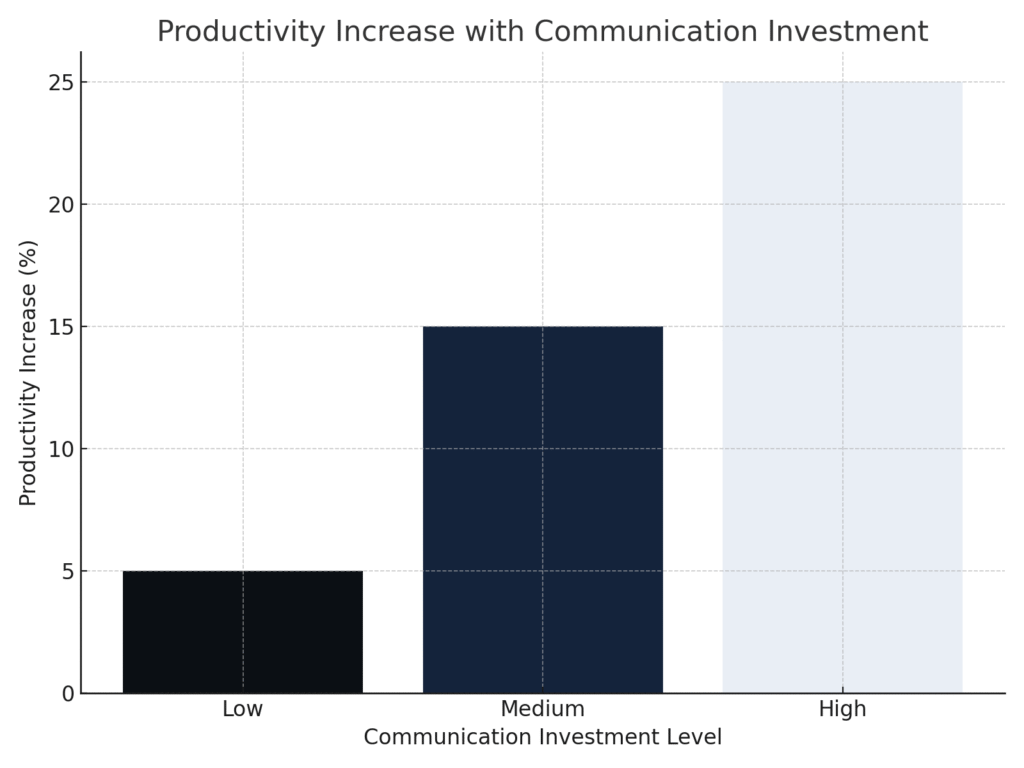
When teams communicate clearly and consistently, productivity rises—by as much as 25%. This statistic highlights the direct impact of effective communication on team output. Training employees in communication skills ensures everyone is on the same page, which leads to fewer misunderstandings and faster decision-making. In addition, it fosters a work environment where employees feel heard and valued, which further drives their engagement and productivity. Businesses can boost their performance simply by improving the way they communicate internally.
Communication Training Marketing Statistics #4: Workplaces with Effective Communication Strategies Have 4.5× Higher Employee Retention
Employee retention is directly impacted by the quality of communication within an organization. Workplaces with strong communication strategies have employee retention rates 4.5 times higher than those that don’t prioritize this area. This is because clear communication fosters trust, transparency, and alignment with company goals. When employees understand their roles and feel informed, they are more likely to stay with the company long-term. Implementing communication training programs can be a key strategy for reducing turnover and maintaining a motivated workforce.
Communication Training Marketing Statistics #5: Employees Who Experience Transparent Communication Report 12× Higher Job Satisfaction
Transparency in communication is vital for employee satisfaction, with workers who experience open and honest communication reporting job satisfaction 12 times higher than those who don’t. Transparent communication helps employees understand the bigger picture and feel connected to the company’s success. It creates a culture of trust where individuals feel more engaged in their work and are more likely to contribute their best efforts. By investing in communication training focused on transparency, organizations can enhance job satisfaction and reduce employee frustration. A happy employee is not only more productive but also more likely to stay with the company.
Communication Training Marketing Statistics #6: 67% of Employees Report Being Disengaged Due to Poor Communication
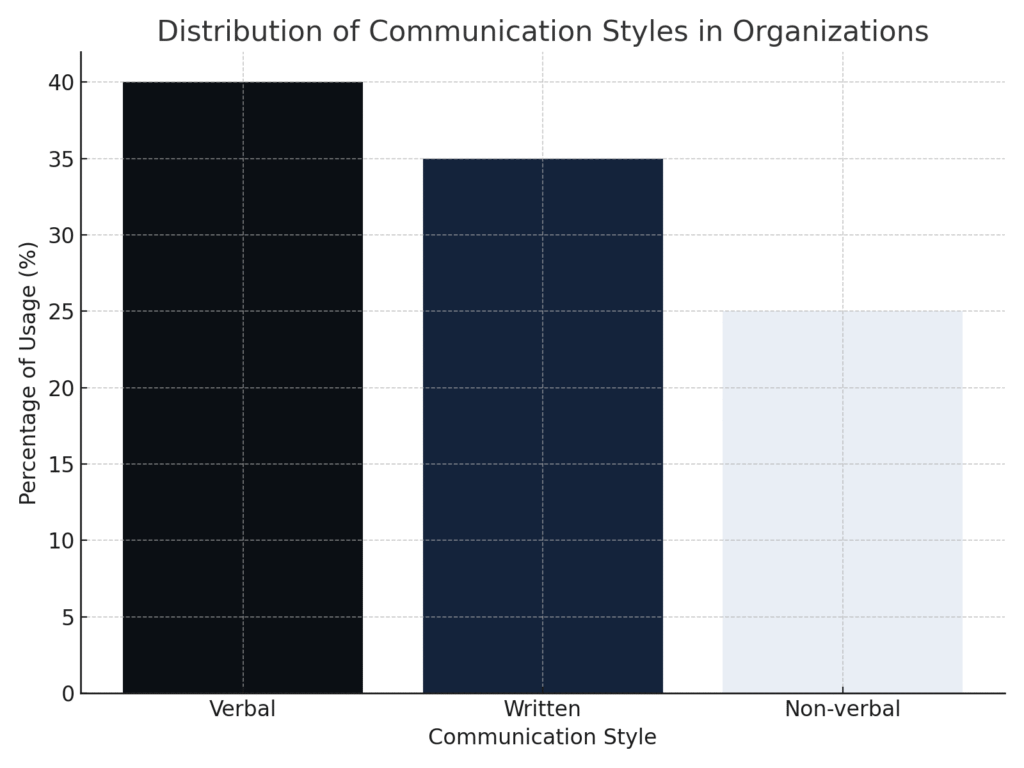
A shocking 67% of employees claim they are disengaged at work, largely due to ineffective communication. Disengagement can lead to lower productivity, increased absenteeism, and a lack of commitment to company goals. When communication fails, employees feel disconnected from the organization’s mission, which can significantly impact their performance. Communication training helps address these challenges by fostering more meaningful interactions, aligning goals, and empowering employees to take ownership of their tasks. Companies that prioritize communication are more likely to see higher employee engagement and performance levels.
Communication Training Marketing Statistics #7: 70% of Employers Say Communication is the Top Skill They Seek in Candidates
When hiring, 70% of employers consider communication skills to be the most important factor in selecting a candidate. Effective communication enables employees to work collaboratively, understand instructions, and contribute ideas in meetings. Candidates who excel in communication are more likely to adapt to new roles and environments quickly. As a result, businesses are increasingly prioritizing communication training for both new hires and existing employees to ensure a smooth and efficient workflow. Training employees in communication can therefore be an essential part of a company’s hiring strategy.
Communication Training Marketing Statistics #8: 30% Increase in Productivity with Better Communication Technology and Skills
Workplaces that invest in both communication technology and employee training can see up to a 30% increase in productivity. By upgrading their communication tools and equipping employees with the right skills, companies can streamline workflows and reduce bottlenecks. Enhanced communication tools, like messaging platforms and video conferencing, allow teams to collaborate seamlessly across locations and time zones. Communication training ensures employees are proficient in using these tools to maximize their potential. As a result, both employees and employers benefit from smoother operations and increased output.
Communication Training Marketing Statistics #9: 97% of Workers Say Communication Impacts Their Task Efficacy Every Day
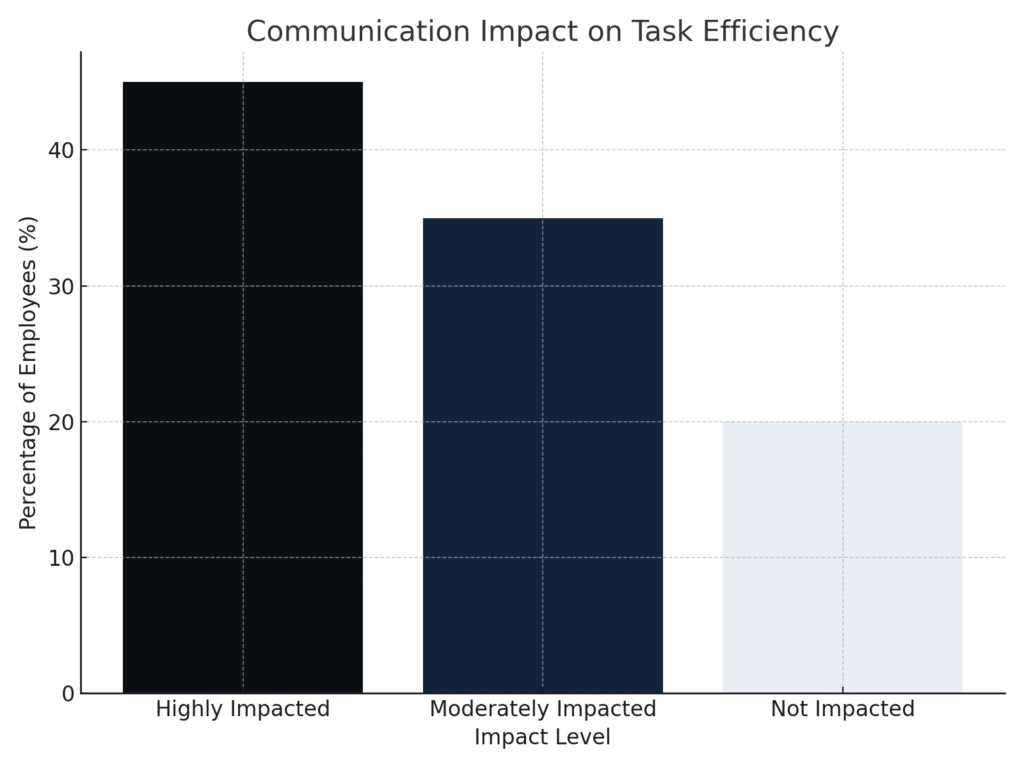
According to a recent survey, 97% of workers acknowledge that communication directly affects their ability to perform tasks efficiently. Effective communication enables employees to clearly understand their objectives, share updates, and ask questions when necessary. Poor communication, on the other hand, creates confusion, delays, and mistakes, which can hinder productivity. By investing in communication training, businesses can ensure that employees understand how to communicate with their teams and clients. This leads to better decision-making, faster problem-solving, and higher overall efficiency.
Communication Training Marketing Statistics #10: 28% of Employees Cite Poor Communication as the Reason for Missed Deadlines
Missed deadlines are a common issue in many workplaces, and 28% of employees blame poor communication for this problem. Whether it’s unclear instructions, late updates, or misunderstood expectations, ineffective communication often leads to delays. With communication training, employees learn how to communicate more clearly, share updates in a timely manner, and ask for clarification when needed. This reduces the chances of misunderstandings and ensures that deadlines are met more consistently. By investing in communication skills, businesses can improve their efficiency and on-time delivery rates.
Communication Training Marketing Statistics #11: 40% of Employees Worldwide Believe There is a Lack of Collaboration Due to Communication Failures
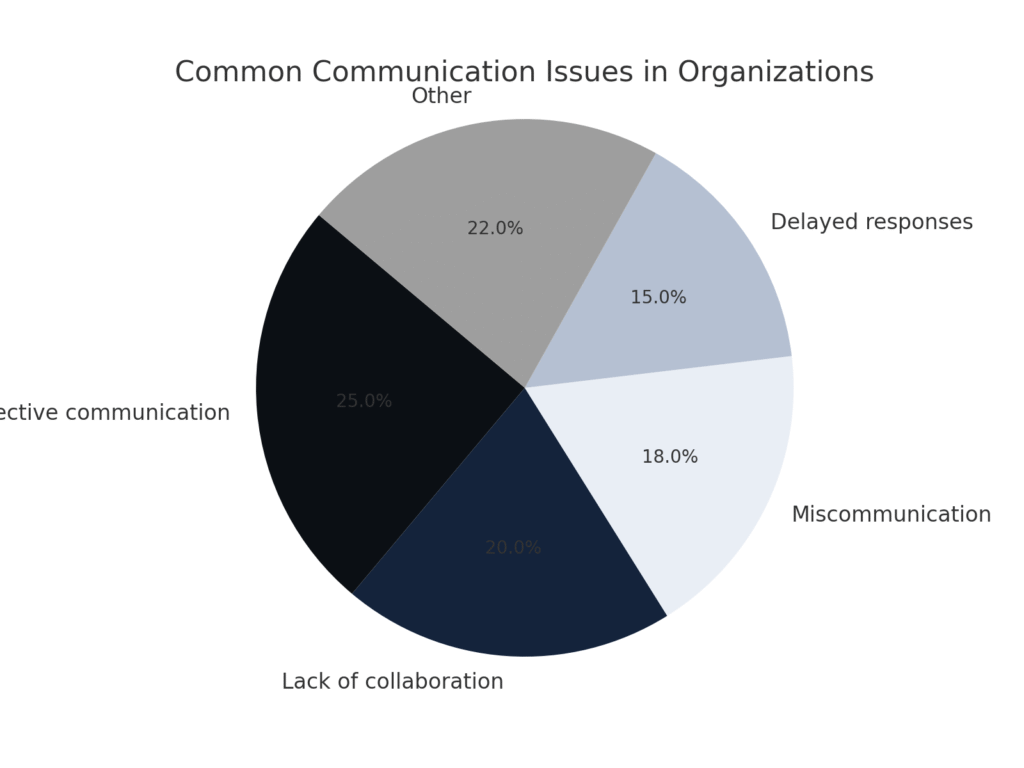
Around 40% of employees believe that their workplace lacks collaboration due to communication failures. This lack of teamwork can lead to a fragmented work environment where departments and individuals struggle to align on goals. Communication training can address these issues by promoting open lines of communication and fostering collaboration across teams. With better communication skills, employees are better equipped to work together and achieve shared objectives. Organizations that invest in communication training often see a more cohesive and collaborative workforce.
Communication Training Marketing Statistics #12: 33% of Workforce Cite Lack of Transparency in Internal Communications as a Problem
One-third of the workforce struggles with a lack of transparency in internal communications, which can lead to confusion and mistrust. Employees want to feel informed about company changes, objectives, and progress, and a lack of transparency can create feelings of being left out or disengaged. Communication training that emphasizes transparency and openness helps to create a culture where information flows freely and employees feel included. This leads to higher morale, stronger relationships, and better alignment with organizational goals. Companies that prioritize transparent communication tend to have more motivated and committed employees.
Communication Training Marketing Statistics #13: 13% of Employees Agree That Their Management Communicates Effectively
Only 13% of employees believe that management communicates effectively with the rest of the company. This lack of effective leadership communication can lead to misunderstandings, low morale, and poor performance across the organization. Training managers in effective communication skills can significantly improve employee trust and engagement. When management communicates clearly, employees understand their roles and responsibilities better, which leads to higher performance and job satisfaction. Effective communication from leadership helps create a more unified and motivated workforce.
Communication Training Marketing Statistics #14: 43% of On-Site Employees Report Losing Trust in Leadership Due to Poor Communication
Poor communication can erode trust between employees and leadership, with 43% of on-site employees reporting a loss of trust in their leaders due to ineffective communication. When leaders fail to communicate clearly or frequently, employees can feel disconnected and undervalued. Communication training for leaders can help bridge this gap by teaching them how to communicate in a way that fosters trust, respect, and understanding. By improving communication, leaders can regain the trust of their employees, which leads to stronger teamwork and better organizational outcomes. Building trust through communication is essential for leadership success.
Communication Training Marketing Statistics #15: 70% of Workforce Would Be More Productive with Better Communication Processes
A study shows that 70% of the workforce would be more productive if their companies implemented better communication processes. Ineffective communication processes, such as unclear reporting structures or delayed responses, hinder productivity and cause frustration. By implementing streamlined communication processes and providing training, organizations can ensure that employees are clear on expectations and can quickly access the information they need. Improved communication processes lead to faster decision-making, fewer errors, and a more efficient workflow. Investing in communication is one of the most effective ways to increase productivity.
Communication Training Marketing Statistics #16: 93% of Effective Communication is Non-Verbal
Surprisingly, 93% of effective communication is non-verbal, with body language, facial expressions, and tone of voice playing a much larger role than words themselves. Understanding this statistic is key for communication training programs, as it shows that employees need to be trained not just on what to say, but how to say it. Non-verbal cues help convey emotions, build rapport, and make communication more impactful. By focusing on non-verbal communication in training, businesses can help employees build stronger relationships with colleagues and clients. This can lead to more effective interactions and a more cohesive work environment.
Communication Training Marketing Statistics #17: Employees Who Feel Their Voice is Heard are More Likely to Deliver Their Best Work
Employees who feel their voice is heard are almost five times more likely to deliver their best work. When employees are given the opportunity to contribute ideas, ask questions, and provide feedback, they feel valued and empowered. This sense of inclusion boosts their morale and engagement, leading to higher levels of productivity and creativity. Communication training that emphasizes active listening and fostering two-way communication can create an environment where employees feel heard. As a result, employees are more motivated and committed to producing high-quality work.
Communication Training Marketing Statistics #18: Quality of Communication from Leaders Impacts How Well 79% of Employees Understand Organizational Goals
The quality of communication from leaders directly impacts how well employees understand the organization’s goals. With 79% of employees saying that clear leadership communication helps them align with company objectives, it’s clear that leadership must prioritize effective communication. Leaders who communicate clearly set the tone for the rest of the organization, helping to ensure everyone is working toward the same goals. Communication training for leaders can teach them how to deliver messages clearly, inspire action, and ensure alignment. Clear communication from leadership is essential for achieving company-wide success.
Communication Training Marketing Statistics #19: 55% of Global Recruiters Believe Verbal Communication is the Most Important Skill in Candidates
When hiring, 55% of global recruiters consider verbal communication to be the most important skill in candidates. Strong verbal communication skills allow candidates to express themselves clearly, collaborate with teams, and build relationships with clients. Employers seek candidates who can articulate their thoughts effectively, as this skill is critical for success in nearly every job role. By offering communication training, organizations can help employees develop the verbal communication skills that are essential for career advancement. Effective verbal communication is a key differentiator in the hiring process and can lead to greater professional success.
Communication Training Marketing Statistics #20: 63% of People Believe Wasted Time is the Worst Consequence of Poor Communication
A significant 63% of people believe that wasted time is the worst consequence of poor communication in the workplace. When employees misunderstand tasks or instructions, it leads to time being wasted on correcting mistakes or redoing work. Communication training can help reduce this waste by ensuring that employees communicate more clearly and efficiently. When employees spend less time clarifying issues and more time executing tasks, productivity improves. This makes communication training a valuable investment that saves time and enhances overall work efficiency.
Final Thoughts on Communication Training Marketing Statistics
At the end of the day, these communication training marketing statistics aren’t just abstract numbers—they represent the very real challenges and opportunities we see in the workplace every day. I’ve learned that when communication improves, so does trust, efficiency, and ultimately the bottom line. Whether you’re part of a growing team or managing a large organization, taking the time to prioritize training in communication is an investment that keeps paying back. For me, the key takeaway is simple: the companies that make communication a priority are the ones that stand out, keep their talent, and leave a lasting impression on their clients.
SOURCES
- https://www.hubspot.com/marketing-statistics
- https://pumble.com/learn/communication/communication-statistics/
- https://elearningindustry.com/employee-training-statistics-trends-and-data
- https://project.co/communication-statistics/
- https://www.apollotechnical.com/workplace-communication-statistics/
- https://www.chanty.com/blog/workplace-communication-statistics/
- https://www.sociabble.com/blog/employee-communications/communications-statistics/
- https://www.simonandsimon.co.uk/blog/workplace-communication-statistics
- https://www.axioshq.com/insights/internal-communications-statistics
- https://www.emailtooltester.com/en/blog/workplace-communication-statistics/
- https://learning.linkedin.com/resources/workplace-learning-report
- https://www.amraandelma.com/leadership-training-marketing-statistics/
- https://www.ama.org/2025/01/31/2025-marketing-skills-report/