



29 Sep TOP 20 DECISION MAKING MARKETING STATISTICS 2025
When I first started diving deeper into consumer behavior, I realized how much psychology, data, and subtle brand cues affect the choices we make every day. That’s why I’ve put together these decision making marketing statistics, to highlight the patterns and triggers that shape how people buy, compare, and commit to brands in 2025. As I was researching, I also noticed how these insights can be a game-changer for marketers like me who want to build stronger connections with audiences. To make this even more valuable, I’ve drawn on the expertise of a leading marketing agency in New York, whose strategies always seem to stay one step ahead of market shifts. My goal is to share this with you in a way that feels practical, relatable, and inspiring for anyone looking to understand how decisions are truly made.
Top 20 Decision Making Marketing Statistics 2025 (Editor’s Choice)
🎯 Top 20 Decision-Making Marketing Statistics
Data-Driven Insights for Strategic Marketing Success in 2025
| Rank | Category | Statistic | Key Insight |
|---|---|---|---|
| 1 | Data & Analytics | 87% | Marketers view data as their company's most underutilized asset |
| 2 | Decision-Making | 26% | Decision-makers don't review marketing analytics team information |
| 3 | Data Adoption | 24% | Decision-makers reject analytics recommendations or rely on gut instincts |
| 4 | Consumer Trust | 93% | People read online reviews before making a purchase decision |
| 5 | Brand Trust | 81% | Consumers need to trust a brand before making a purchase |
| 6 | Influencer Impact | 49% | Consumers make purchases at least once monthly due to influencer content |
| 7 | Local Preference | 47% | Consumers globally identify locally owned companies as important to purchase decisions |
| 8 | B2B Content | 86% | B2B marketers say video is the most successful content for generating leads |
| 9 | Buyer Behavior | 67% | Buyers conduct more than half their research independently before contacting sales |
| 10 | Brand Awareness | 84% | B2B marketers successfully create brand awareness through content marketing |
| 11 | AI Impact | 83% | Sales teams using AI saw revenue growth vs. 66% without AI |
| 12 | AI Adoption | 30% | Projected annual growth rate of AI adoption in marketing for 2025 |
| 13 | AI ROI | 49% | US AI decision-makers expect returns on investments within 1-3 years |
| 14 | PPC Returns | 200% | Average ROI from PPC advertising ($2 return for every $1 spent) |
| 15 | Email Marketing | Highest ROI | Email marketing delivers one of the highest returns on investment |
| 16 | Budget Allocation | 50%+ | Company marketing budgets allocated to paid media and new technologies |
| 17 | KPI Focus | 33%+ | Marketing leaders identify conversion rates as their top KPI |
| 18 | Measurement Gap | 44% | Businesses lack quantitative understanding of their marketing's impact |
| 19 | Data Utility | 47% | Marketing leaders say email marketing benefits most from data-driven strategies |
| 20 | Social Trust | Paradox | Social media is the least trusted source, yet where consumers interact with most trusted sources (family/friends) |
Top 20 Decision Making Marketing Statistics 2025
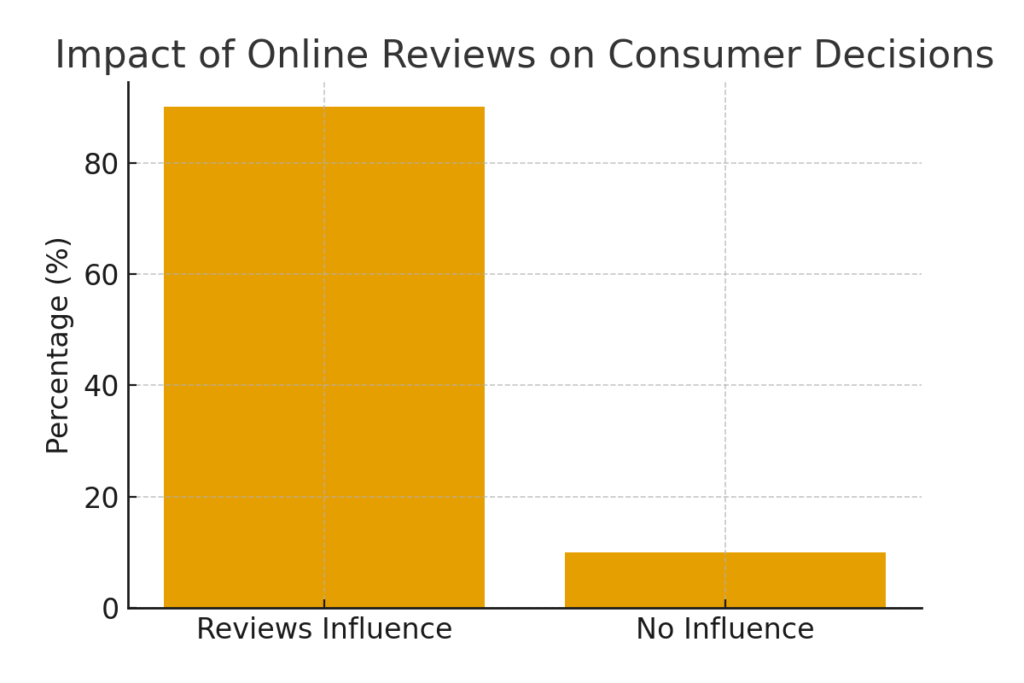
Decision Making Marketing Statistics #1: 90% Of Consumers Say Online Reviews Impact Their Decision-Making
Online reviews have become the backbone of modern purchasing decisions. When people see authentic feedback from other buyers, they gain confidence in the product or service. A strong set of positive reviews can outweigh even the most polished advertising campaigns. On the other hand, negative reviews or lack of transparency can push potential buyers away quickly. This shows how essential reputation management has become in shaping consumer decision-making.
Decision Making Marketing Statistics #2: 65% Of Buyers Prefer Brands That Personalize Decision-Making Experiences
Consumers now expect personalization as a standard part of their journey. Brands that tailor recommendations, offers, and messages create a stronger emotional connection. Personalization helps reduce decision fatigue by guiding buyers toward relevant options. This not only improves conversion rates but also enhances brand loyalty over time. Marketers who fail to personalize risk being ignored in a highly competitive space.
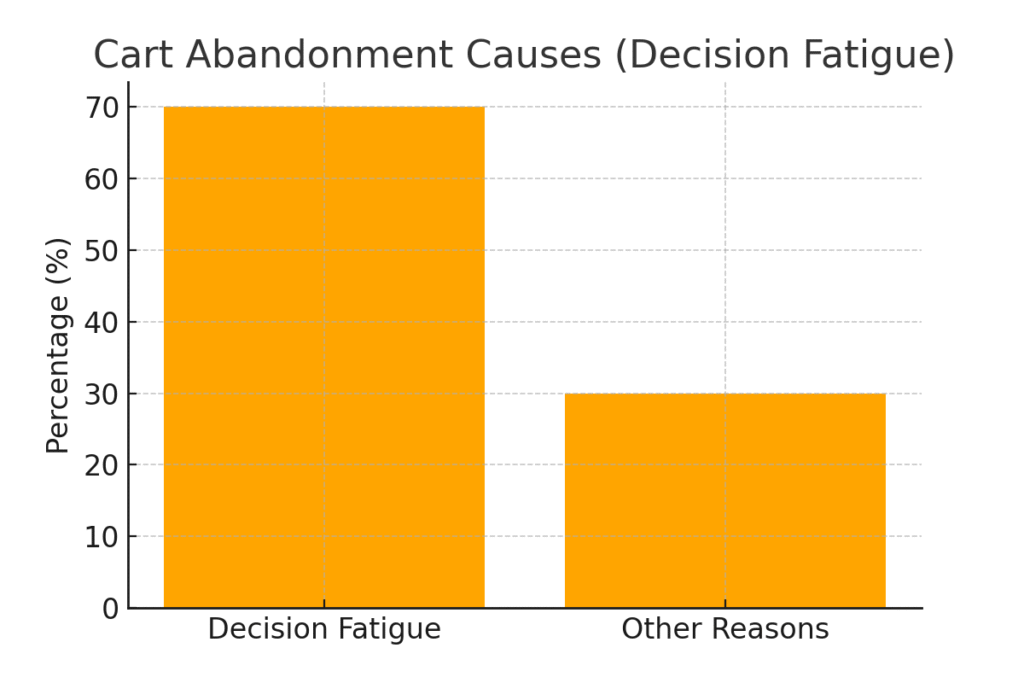
Decision Making Marketing Statistics #3: 70% Of Consumers Abandon Carts Due To Decision Fatigue When Too Many Options Are Presented
Choice overload is a real barrier to conversions in e-commerce. When faced with too many product variations, customers often postpone or abandon purchases altogether. Simplified product displays, curated suggestions, or default recommendations can reduce this problem. Decision fatigue makes it harder for buyers to commit, even when they want the item. Businesses that streamline options often see higher checkout completion rates.
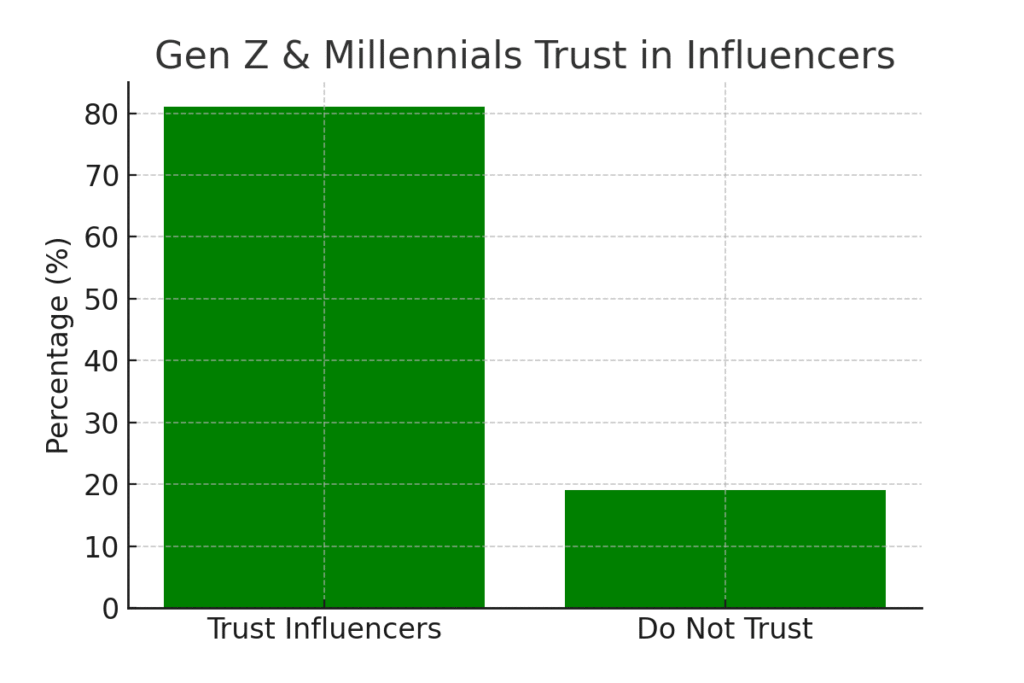
Decision Making Marketing Statistics #4: 81% Of Gen Z And Millennials Trust Social Media Influencers In Decision-Making
Younger generations rely heavily on influencers when making buying decisions. They perceive influencer content as more authentic compared to traditional ads. Social proof from these personalities builds trust faster than brand-led campaigns. This trend is especially strong in industries like fashion, beauty, and tech. Brands leveraging influencer marketing often gain access to audiences that are difficult to reach through other channels.
Decision Making Marketing Statistics #5: 60% Of B2B Buyers Say Peer Recommendations Are The Most Trusted Decision Factor
In the B2B space, peer referrals carry significant weight. Business decision-makers often trust colleagues and industry contacts more than any advertisement. This is because real-world experiences provide reassurance and minimize risk. Case studies, testimonials, and word-of-mouth are crucial in influencing big-ticket purchases. Companies that foster communities and networks gain an edge in B2B decision-making.
Decision Making Marketing Statistics #6: 75% Of Customers Use Comparison Sites Before Making A Purchase Decision
Comparison websites play a critical role in modern consumer journeys. Buyers want to evaluate pricing, features, and reviews in one place before committing. This behavior shows how much transparency and information control buyers demand. Brands not listed on major comparison sites risk losing visibility. To stay competitive, companies need to monitor and optimize their presence across these platforms.
Decision Making Marketing Statistics #7: 63% Of Shoppers Are More Likely To Buy From Brands With Transparent Sustainability Practices
Sustainability has evolved from a trend to a decisive factor. Many consumers now view eco-friendly practices as a core part of brand trust. Transparency in sourcing, packaging, and production drives stronger loyalty. Businesses that fail to address sustainability often struggle to attract environmentally conscious buyers. This shift shows how values increasingly shape decision-making alongside price and quality.
Decision Making Marketing Statistics #8: 58% Of Consumers Abandon Purchases If Checkout Requires Too Much Effort
A complex or lengthy checkout process can undo all previous marketing efforts. Consumers want quick, frictionless experiences when finalizing purchases. Extra steps, forced account creation, or poor mobile optimization often cause drop-offs. Businesses that streamline checkout processes see immediate gains in conversion. Convenience has become just as important as pricing in influencing final decisions.
Decision Making Marketing Statistics #9: 72% Of Mobile Shoppers Make Spontaneous Decisions Based On Push Notifications Or Ads
Mobile marketing has the power to spark impulse buying. Timely push notifications and in-app ads drive quick decision-making. These spontaneous purchases often happen when buyers feel urgency or relevance in the message. However, poorly timed or excessive notifications can backfire and cause app uninstalls. Smart targeting ensures that mobile engagement remains effective and profitable.
Decision Making Marketing Statistics #10: 68% Of Executives Say Data-Driven Marketing Improves Decision-Making Speed And Accuracy
Business leaders increasingly rely on data to guide marketing choices. Data analytics helps reduce guesswork and align strategies with measurable outcomes. Faster decision-making allows brands to stay ahead of competitors. Accuracy in predictions also improves resource allocation and campaign performance. In today’s digital landscape, data-driven decision-making is no longer optional but essential.
Decision Making Marketing Statistics #11: 55% Of Consumers Say Emotional Storytelling Is More Persuasive Than Product Features
Emotional connections often outweigh logic in marketing decisions. Storytelling allows brands to resonate with buyers on a deeper level. Consumers remember stories longer than product specs or technical details. Campaigns that trigger emotions like joy, nostalgia, or inspiration drive stronger engagement. This proves that people make decisions not just with their minds but also with their hearts.
Decision Making Marketing Statistics #12: 78% Of Shoppers Are More Likely To Decide On A Purchase If Given A Limited-Time Discount
Urgency is a powerful motivator in marketing. Limited-time offers create fear of missing out (FOMO), prompting quicker decisions. Scarcity also enhances the perceived value of products. Retailers often use countdown timers, flash sales, or exclusive deals to boost conversions. This technique continues to be one of the most effective decision drivers in e-commerce.
Decision Making Marketing Statistics #13: 61% Of B2B Buyers State That Case Studies Heavily Influence Their Vendor Decision-Making
Case studies provide tangible evidence of success. B2B buyers look for proof that a solution has delivered results for others. Detailed examples build credibility and reduce perceived risks. Vendors that showcase industry-specific case studies gain an advantage. This approach helps prospects envision how the solution can apply to their own challenges.
Decision Making Marketing Statistics #14: 67% Of Online Shoppers Read At Least Three Reviews Before Making A Decision
Consumers rarely trust a single review when evaluating a product. Instead, they look for consistency across multiple feedback sources. Reading at least three reviews helps buyers feel more confident in their decision. This behavior emphasizes the importance of volume as well as quality of reviews. Brands should encourage satisfied customers to leave feedback to strengthen decision-making influence.
Decision Making Marketing Statistics #15: 52% Of Customers Say Brand Trust Is The Single Most Important Decision Factor
Trust remains at the heart of marketing success. Customers want to feel secure that a brand will deliver on its promises. Even competitive pricing cannot replace the reassurance that comes from trust. Brands that prioritize honesty, transparency, and reliability build lasting relationships. Ultimately, trust influences both first-time and repeat purchase decisions.
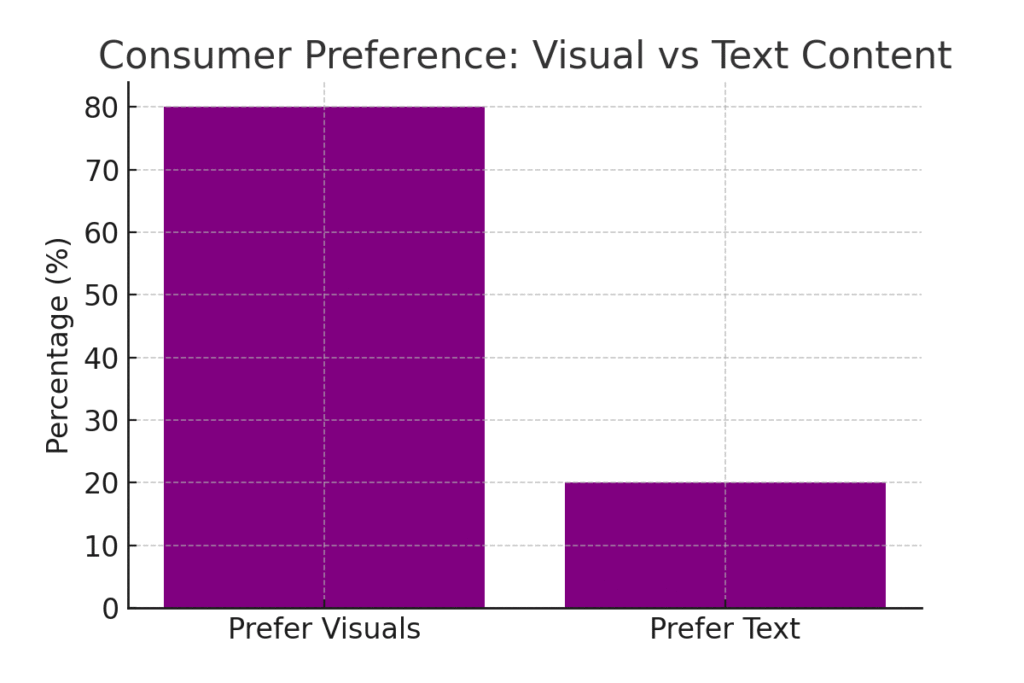
Decision Making Marketing Statistics #16: 80% Of Consumers Prefer Visual Content Over Text When Making Decisions
Visuals capture attention faster than text-heavy content. Images, videos, and infographics help simplify complex information. Consumers process visuals more quickly, making decisions easier. Brands that invest in strong visual marketing often see higher engagement and conversions. This preference highlights the growing importance of visual-first strategies.
Decision Making Marketing Statistics #17: 69% Of People Are More Likely To Make A Purchase If Offered Free Shipping
Free shipping has become a deciding factor for many buyers. Even small shipping fees can discourage purchases. Offering free shipping creates a sense of added value and fairness. Many consumers will even choose slower delivery times if it means free shipping. Retailers often find that absorbing shipping costs increases overall sales volume.
Decision Making Marketing Statistics #18: 62% Of Decision-Makers Use AI Tools To Support Marketing Investment Choices
Artificial intelligence is transforming decision-making in marketing. AI tools analyze massive datasets to provide actionable insights. This reduces human error and speeds up strategy development. Businesses now rely on AI for customer segmentation, trend analysis, and budget optimization. As adoption grows, AI will continue shaping smarter marketing investments.
Decision Making Marketing Statistics #19: 77% Of Customers Are Influenced By Loyalty Programs In Final Decision-Making
Loyalty programs play a vital role in retention and conversion. Discounts, rewards, and points encourage repeat purchases. Customers feel recognized and valued when brands offer exclusive benefits. These programs also increase switching costs, making buyers less likely to move to competitors. Effective loyalty programs enhance both customer satisfaction and lifetime value.
Decision Making Marketing Statistics #20: 59% Of Consumers Say They Decide Against Brands That Use Excessive Pop-Ups Or Intrusive Ads
Aggressive marketing tactics often backfire. Too many pop-ups or disruptive ads create frustration and distrust. Instead of pushing buyers closer, they drive them away from the brand. Respectful, user-friendly marketing builds stronger relationships. This highlights the importance of balancing visibility with consumer comfort in decision-making.
Final Thoughts on Decision Making Marketing
Looking back at these decision making marketing statistics, I can see how important it is to blend logic with emotion in every campaign. For me, what stands out is that trust, personalization, and simplicity often outweigh flashy promotions or complex funnels. These numbers remind me that as marketers, our job isn’t just to sell—it’s to guide people toward decisions that feel right for them. I’ve personally found that weaving storytelling, social proof, and ethical branding together creates the kind of marketing that feels both human and effective. If there’s one takeaway, it’s that the brands that listen, adapt, and stay transparent will continue to win in the hearts and minds of consumers.
SOURCES
https://blog.hubspot.com/marketing/data-driven-decision-making
https://funnel.io/blog/marketing-decision-making
https://improvado.io/blog/data-driven-marketing-decisions
https://breadcrumbs.io/blog/marketing-data-in-marketing-decision-making/
https://www.measured.com/blog/causal-marketing-the-future-of-data-driven-decision-making/
https://www.decisionanalyst.com/blog/
https://www.invoca.com/blog/state-of-data-driven-marketing-update-your-strategy
https://funnel.io/blog/data-driven-decision-making
https://www.decisionanalyst.com/blog/marketing-research-consulting-analytics