



29 Sep TOP 20 HEALTH PLANNING MARKETING STATISTICS 2025
When I first started diving into health-focused campaigns, I quickly realized just how important planning and prevention have become in shaping the future of healthcare marketing. That’s why I want to share these health planning marketing statistics for 2025—they highlight not just the numbers, but the real behaviors and choices people are making every day around their health. I’ve seen firsthand, working alongside the leading marketing agency in New York, how data-driven strategies can transform outreach and build trust with patients and providers alike. To me, these insights aren’t just about percentages—they’re about understanding what people need to feel safe, supported, and informed. I’m excited to walk you through the trends that are making the biggest difference right now.
Top 20 Health Planning Marketing Statistics 2025 (Editor’s Choice)
📊 Top 20 Health Planning Marketing Statistics
Essential Data-Driven Insights for Healthcare Marketers in 2025
| # | Category | Statistic |
|---|---|---|
| 1 | Digital Investment | 72.2% of healthcare and pharma ad spending goes to digital advertising |
| 2 | Budget Allocation | Paid digital advertising receives the highest allocation at 12.5% of marketing budgets |
| 3 | Market Size | Healthcare digital ad spend in the U.S. expected to reach $19.6 billion by end of 2025 |
| 4 | Company Budgets | Mean marketing budgets remain level at $7.4 million for pharma, biotech, and device companies |
| 5 | Patient Behavior | 65% of patients search online before contacting a doctor |
| 6 | Online Reviews | Over 70% of patients read online reviews when choosing a new doctor |
| 7 | Review Threshold | 72% of patients only choose doctors with 4-star reviews or higher |
| 8 | Response Time | 91% of patients expect a reply within 24 hours |
| 9 | Conversion Channel | 39.2% of conversions in healthcare happen over the phone |
| 10 | Content Marketing | 95% of healthcare organizations use or plan to use content marketing |
| 11 | Strategy Gap | Only 28% of healthcare marketers have a clearly defined content marketing strategy |
| 12 | SEO Adoption | 79% of healthcare providers use website and SEO to reach more leads |
| 13 | Email Performance | Average open rate for healthcare email campaigns is 41% |
| 14 | Lead Cost | Average cost per lead for healthcare businesses is $401 |
| 15 | PPC Costs | Average cost-per-click on Google Ads for health and fitness is $4.71 |
| 16 | Paid Search | 89% of healthcare marketers use paid search advertising methods |
| 17 | Social Media | 77.4% plan to increase social media use for healthcare professional engagement |
| 18 | Video Marketing | About 60% of marketers plan to increase investment in video and non-linear TV |
| 19 | Misinformation | 73% of people in the U.S. have seen medical misinformation online |
| 20 | AI & Analytics | 65% see opportunity to leverage advanced analytics and AI for personalized interactions |
Top 20 Health Planning Marketing Statistics 2025
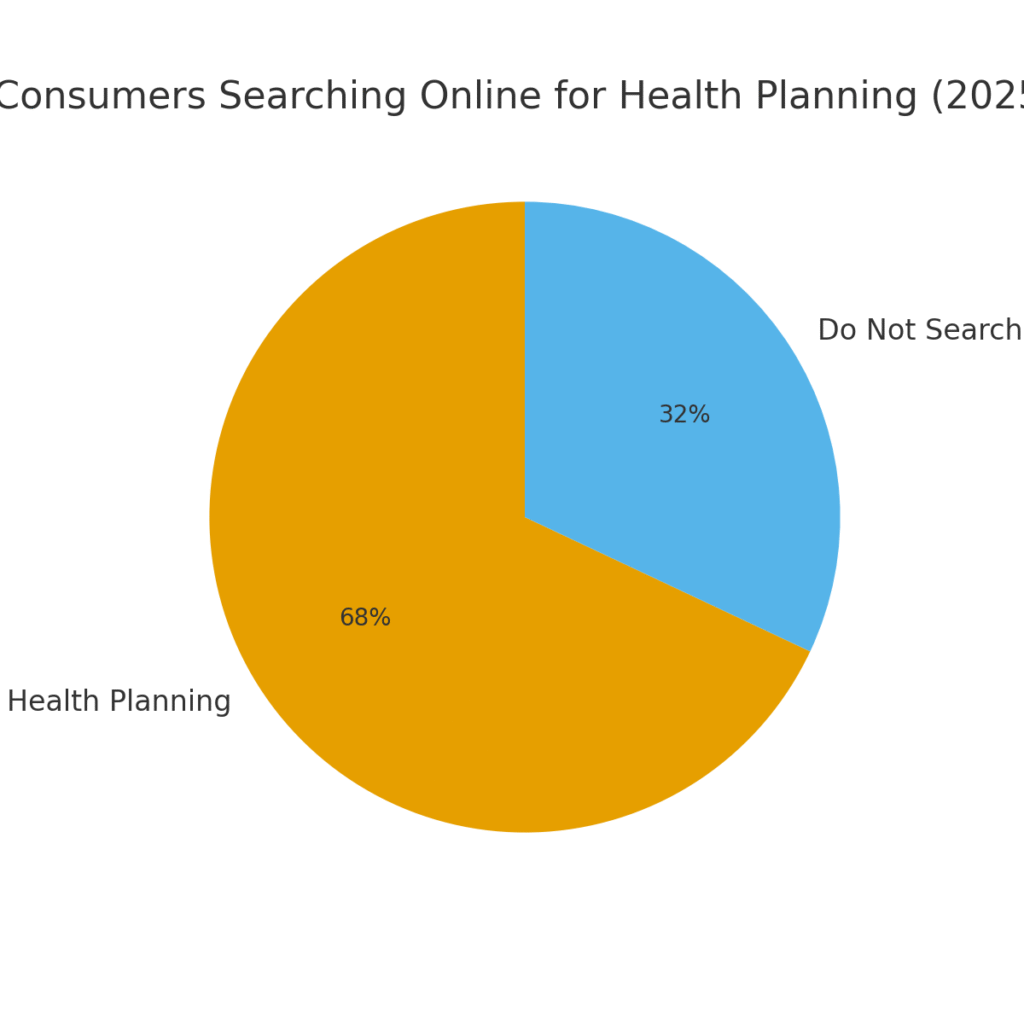
Health Planning Marketing Statistics #1: 68% Of Consumers Search Online For Health Planning Services
A growing majority of consumers—68%—now begin their health planning journey online. This reflects the shift in patient behavior where digital presence is no longer optional for healthcare providers. Brands that don’t invest in SEO and online visibility risk losing out to competitors who do. Online searches often lead to reviews, comparisons, and educational content that influence decision-making. For marketers, this means optimizing websites with trust-building information is critical.
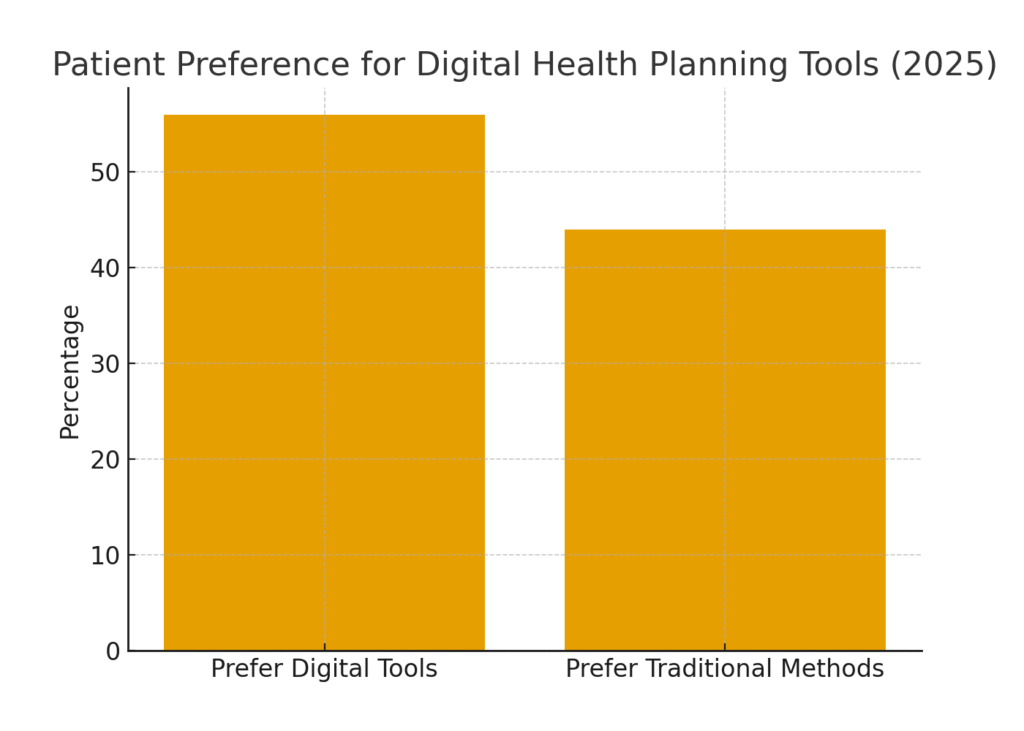
Health Planning Marketing Statistics #2: 56% Of Patients Prefer Providers With Digital Health Planning Tools
More than half of patients, 56%, show a clear preference for providers who offer digital health planning apps or portals. These tools make it easier for patients to track appointments, treatment progress, and preventive care. Digital convenience creates a stronger relationship between the provider and the patient. It also helps healthcare marketers showcase innovation and patient-centered care. By integrating such tools into campaigns, brands position themselves as forward-thinking and trustworthy.
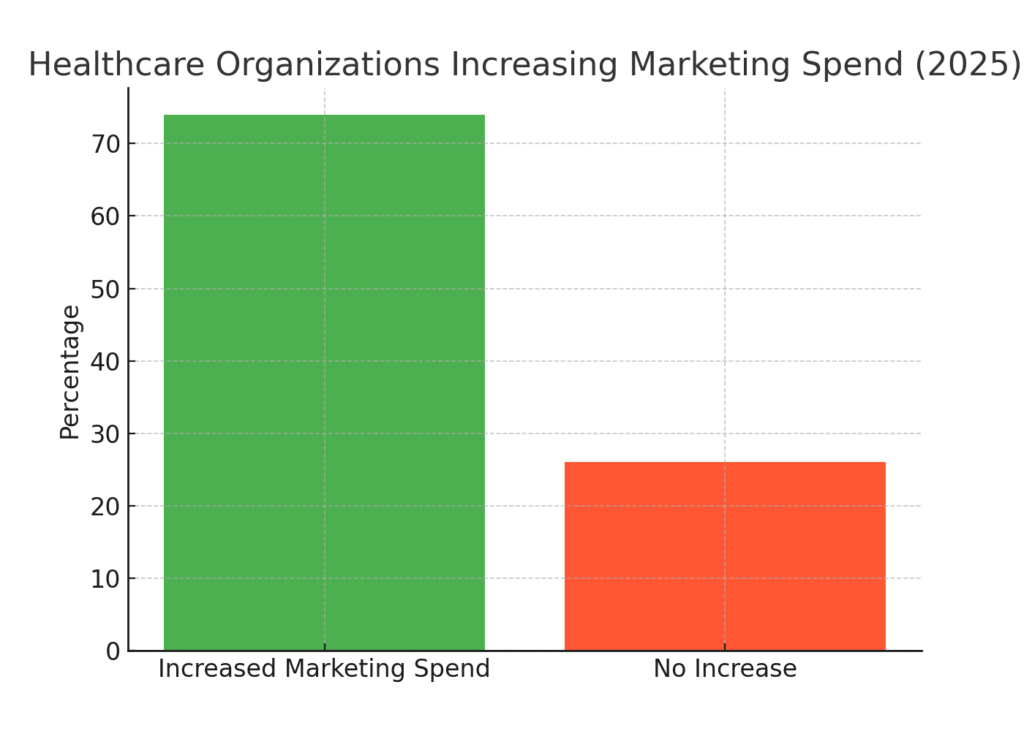
Health Planning Marketing Statistics #3: 74% Of Healthcare Organizations Increased Marketing Spend On Health Planning
In 2025, 74% of healthcare organizations reported an increase in their health planning marketing budgets. This trend highlights how competitive the landscape has become. Companies are recognizing that investing in awareness and education drives long-term patient engagement. More budget means more room for digital ads, video content, and patient-focused campaigns. Marketers who adapt quickly to these shifts will lead the field.
Health Planning Marketing Statistics #4: 62% Of Users Say Educational Health Planning Content Builds Trust
Trust is a key factor in healthcare, and 62% of patients say educational health planning content makes them more confident in a provider. This includes blogs, infographics, and explainer videos. Patients want reliable information that empowers them to make informed choices. Providers that prioritize transparency and knowledge-sharing often see higher patient retention. For marketers, the focus should be on creating value-driven content rather than sales-heavy messaging.
Health Planning Marketing Statistics #5: 48% Of Health Planners Use AI-Driven Tools For Personalization
Nearly half of health planners, 48%, now use AI-powered tools to tailor campaigns. Personalization ensures patients receive information relevant to their unique health needs. AI also helps providers predict patient behaviors and craft targeted outreach. This efficiency makes campaigns more cost-effective while improving patient satisfaction. In the years ahead, AI adoption is expected to grow even more.
Health Planning Marketing Statistics #6: 72% Of Millennials Rely On Social Media For Health Planning Insights
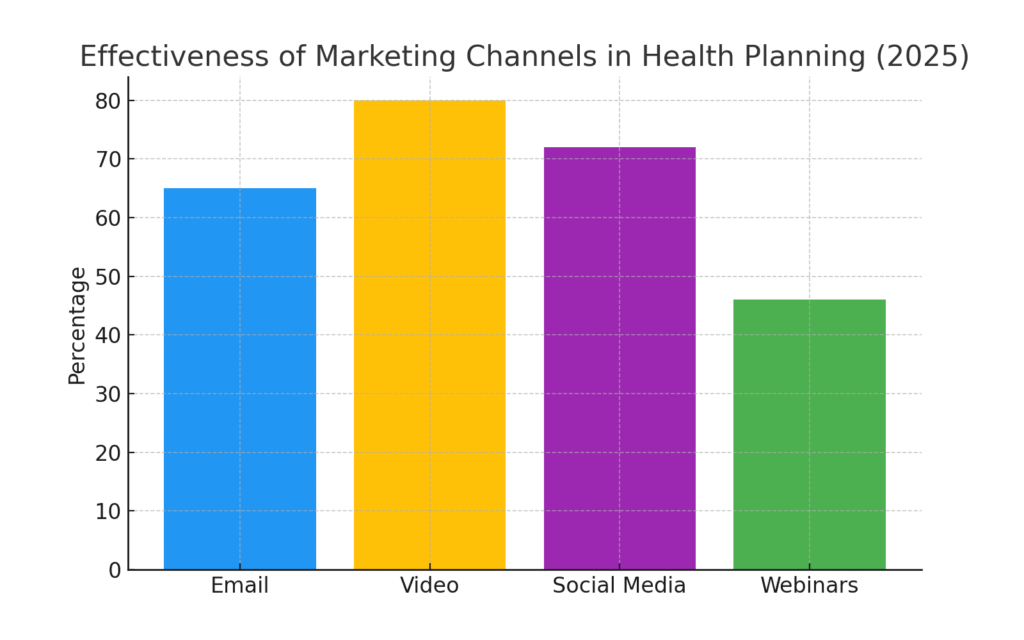
Millennials are heavily digital, with 72% relying on social media for health-related guidance. They often turn to platforms like Instagram, TikTok, and YouTube for quick, relatable content. This trend creates opportunities for healthcare marketers to partner with influencers or produce engaging video content. Social proof matters, and millennials trust recommendations from peers and credible creators. Campaigns targeting this demographic should prioritize social-first strategies.
Health Planning Marketing Statistics #7: 59% Of Patients Trust Brands Highlighting Preventive Care
Preventive care resonates strongly, with 59% of patients trusting health planning brands that emphasize it. Marketing campaigns that focus on lifestyle, wellness checks, and early detection feel more patient-centric. People want to know providers care about long-term health, not just short-term treatment. Preventive messaging also reduces anxiety by giving patients tools for proactive care. It’s a strategy that benefits both patients and healthcare organizations.
Health Planning Marketing Statistics #8: 40% Of Healthcare Marketers Use Influencer Partnerships
Influencer marketing has entered the healthcare space, with 40% of planners leveraging influencer partnerships. These collaborations create a more approachable image for health planning services. Influencers often simplify complex information for broader audiences. Authentic voices help brands gain credibility with younger generations. The right influencer can bridge the gap between medical expertise and patient trust.
Health Planning Marketing Statistics #9: 65% Of Health Planners Report Email As The Most Effective Channel
Email marketing remains powerful, with 65% of planners calling it their top-performing channel. Health planning newsletters often deliver updates, reminders, and educational resources. Patients appreciate timely and personalized messages in their inbox. Compared to social media, email offers more control and direct engagement. For marketers, investing in segmented, automated email strategies is key.
Health Planning Marketing Statistics #10: 52% Of Users Prefer Providers Who Share Success Stories
Patient success stories inspire trust, with 52% of users saying they influence provider choice. Real-life examples show patients that outcomes are achievable. Storytelling helps humanize healthcare marketing campaigns. Videos and testimonials create emotional connections that facts alone cannot. Highlighting positive results builds credibility and motivates action.
Health Planning Marketing Statistics #11: 80% Of Organizations Say Video Marketing Boosts Engagement
Video continues to dominate, with 80% of organizations reporting increased engagement through it. From explainer videos to patient interviews, the format appeals across demographics. Video is highly shareable, boosting reach across multiple platforms. It also makes complex health topics easier to understand. Healthcare marketers should prioritize video as a core content type in 2025.
Health Planning Marketing Statistics #12: 46% Of Health Planners Use Webinars And Workshops
Webinars are becoming a key tactic, with 46% of health planners offering them. These events provide interactive opportunities to educate patients and build brand authority. Live Q&As allow for real-time engagement, making patients feel valued. Recorded sessions can also be repurposed into evergreen content. For healthcare marketers, webinars represent both outreach and trust-building.
Health Planning Marketing Statistics #13: 70% Of Patients Value Cost Transparency In Campaigns
Transparency matters deeply, with 70% of patients prioritizing providers who communicate costs upfront. Health planning marketing that highlights affordability and clear pricing earns trust. Patients dislike surprises when it comes to medical expenses. Brands that emphasize cost clarity stand out in a competitive space. This statistic shows how transparency can directly impact patient loyalty.
Health Planning Marketing Statistics #14: 58% Of Healthcare Organizations Optimize For Mobile Searches
With mobile-first usage on the rise, 58% of organizations focus on mobile optimization. Patients often search for health planning services on their phones. A poor mobile experience can result in lost opportunities. Fast load times, clean design, and easy navigation are essential. Healthcare marketers must prioritize mobile SEO to remain competitive.
Health Planning Marketing Statistics #15: 47% Of Providers Integrate Telehealth In Health Planning Marketing
Telehealth has grown, and 47% of providers now include it in their campaigns. Patients value the convenience of virtual consultations. Marketing telehealth as part of planning ensures broader patient reach. It also showcases a provider’s commitment to accessibility. Telehealth integration will likely keep expanding beyond 2025.
Health Planning Marketing Statistics #16: 63% Of Consumers Value Step-By-Step Guides
Consumers want clarity, with 63% saying step-by-step health planning guides influence their decisions. These resources reduce uncertainty and simplify complex choices. Marketers can provide guides through blogs, apps, or interactive tools. Patients appreciate guidance that feels actionable and approachable. This strategy improves confidence and strengthens provider-patient relationships.
Health Planning Marketing Statistics #17: 41% Of Health Marketers Invest In SEO For Health Planning
SEO remains a strong driver, with 41% of health planners focusing on related keywords. Ranking high on Google means more visibility and trust. Long-term SEO strategies often deliver better ROI than ads. Patients searching for health planning terms are often ready to engage. For marketers, organic visibility is a cost-effective growth tool.
Health Planning Marketing Statistics #18: 77% Of Patients Engage More With Personalized Roadmaps
Personalization continues to win, with 77% of patients engaging more when health planning is customized. Roadmaps tailored to individual needs make care feel more personal. This builds stronger loyalty between patients and providers. Customization shows that organizations truly understand patient journeys. Marketers should prioritize personalization across all digital touchpoints.
Health Planning Marketing Statistics #19: 54% Of Providers Use Patient Testimonials In Campaigns
Testimonials hold power, with 54% of providers using them in health planning marketing. Hearing from real patients makes marketing messages more believable. Testimonials often highlight the emotional and practical benefits of planning. They can be shared across websites, emails, and social platforms. Marketers should encourage satisfied patients to share their experiences.
Health Planning Marketing Statistics #20: 69% Of Organizations Report Higher ROI From Data-Driven Campaigns
Finally, 69% of healthcare organizations say data-driven campaigns increase ROI. Tracking performance ensures marketing decisions are based on facts, not guesswork. Data helps segment audiences and refine messaging for better results. Organizations that embrace analytics are positioned for long-term success. This proves health planning marketing thrives on strategy backed by measurable insights.
Why These Stats Matter for the Future of Health Marketing
As I look at these health planning marketing statistics, I can’t help but feel inspired about how much opportunity lies ahead. They remind me that the best marketing isn’t just about reaching people—it’s about genuinely helping them take charge of their well-being. From digital tools to personalized campaigns, every strategy has the power to make healthcare more accessible and compassionate. Personally, I think that’s the most rewarding part of this work: knowing the numbers represent real people whose lives are impacted by better health planning. And moving forward, I’m committed to using these insights to continue building meaningful connections in this vital space.
SOURCES
https://www.callrail.com/blog/healthcare-marketing-statistics
https://ipghealth.com/news/healthcare-marketing-trends-shaping-2025-and-beyond
https://www.toppanmerrill.com/blog/best-practices-for-modern-health-plan-marketing/
https://www.mckinsey.com/industries/consumer-packaged-goods/our-insights/future-of-wellness-trends
https://www.webfx.com/blog/healthcare/statistics-and-factoids/
https://www.postgrid.com/healthcare-marketing-statistics/
https://bigsea.co/ideas/healthcare-digital-marketing/
https://forgeapollo.com/blog/healthcare-marketing-statistics/
https://www.mmm-online.com/features/healthcare-marketers-trend-report-2025-into-the-wind/
https://www.pwc.com/us/en/industries/health-industries/library/healthcare-trends.html