



24 Sep TOP 20 LANDLORD MARKETING STATISTICS 2025
I’ve always believed that being a landlord isn’t just about collecting rent—it’s about running a business, building trust with tenants, and staying ahead of the curve in a competitive housing market. That’s why I’ve pulled together these landlord marketing statistics for 2025, so you and I can both see where the industry is headed and how we can adapt. As I was researching, I came across insights that surprised me, especially how digital tools and tenant expectations are reshaping the rental landscape. I’ve also leaned on resources from experts, including the leading marketing agency in New York, to make sure these stats go beyond numbers and actually help us make smarter decisions. My goal here is simple: to give you the same clarity I want for myself as a landlord trying to market properties better.
Top 20 Landlord Marketing Statistics 2025 (Editor’s Choice)
🏠 Top 20 Landlord Marketing Statistics
Essential insights driving the rental market in 2024-2025 • Data-driven strategies for successful property management
| Rank | Category | Key Statistic | Marketing Insight & Impact |
|---|---|---|---|
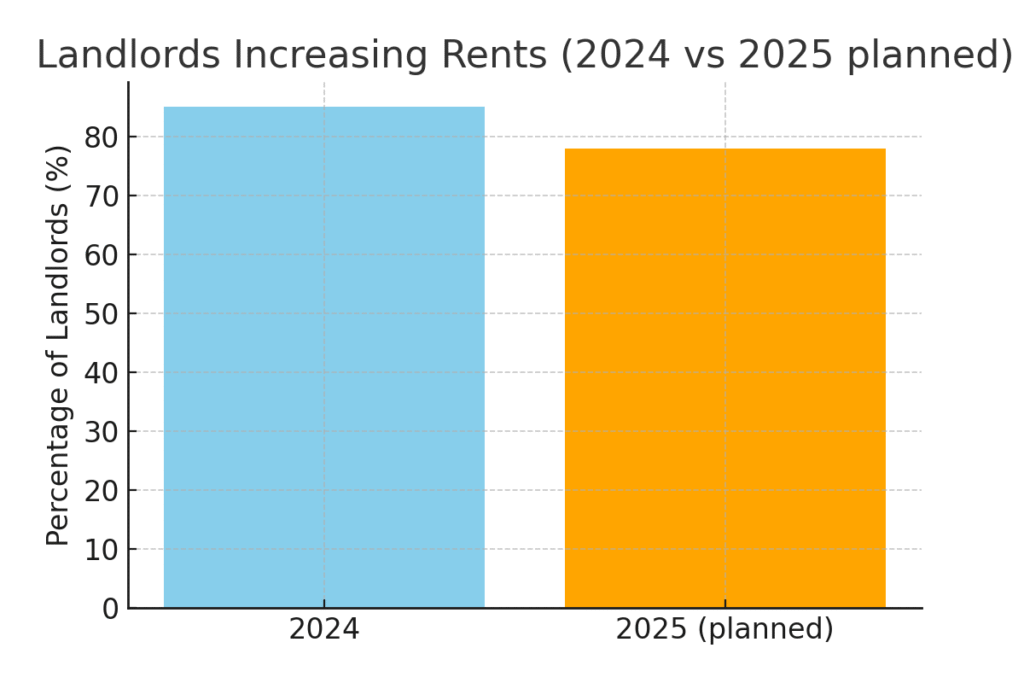
| 1 | Financial | 85%of landlords increased rent in 2024 | With 31% raising rents by 6-10%, landlords are actively responding to rising operational costs. This trend indicates strong pricing power and market demand, making effective marketing crucial to justify premium rates. |
| 2 | Financial | $428Btotal rent collected by U.S. landlords in 2024 | This massive market scale demonstrates the enormous opportunity for landlords. Effective marketing strategies can help capture a larger share of this growing rental revenue pool. |
| 3 | Financial | $500average tenant acquisition cost | Smart marketing budget allocation is critical. Landlords spending $5,000 to acquire 10 tenants show the importance of cost-effective marketing channels and conversion optimization. |
| 4 | Financial | $1,795monthly turnover cost per unit | High turnover costs make tenant retention marketing essential. Investing in tenant satisfaction and long-term relationships significantly impacts profitability more than constant new tenant acquisition. |
| 5 | Vacancy | 6.6%average residential vacancy rate in Q1 2024 | Below the historical 7.3% average, this tight market gives landlords pricing power but requires competitive marketing to attract quality tenants quickly and minimize vacancy periods. |
| 6 | Vacancy | 41%of properties experience vacancy annually | With nearly half of all properties facing vacancy challenges, having a robust marketing system and tenant pipeline is crucial for maintaining consistent rental income throughout the year. |
| 7 | Financial | 50%of rent goes to operating expenses | The "50% Rule" emphasizes why marketing efficiency matters. Every dollar spent on marketing must generate strong returns since half of rental income covers operational costs. |
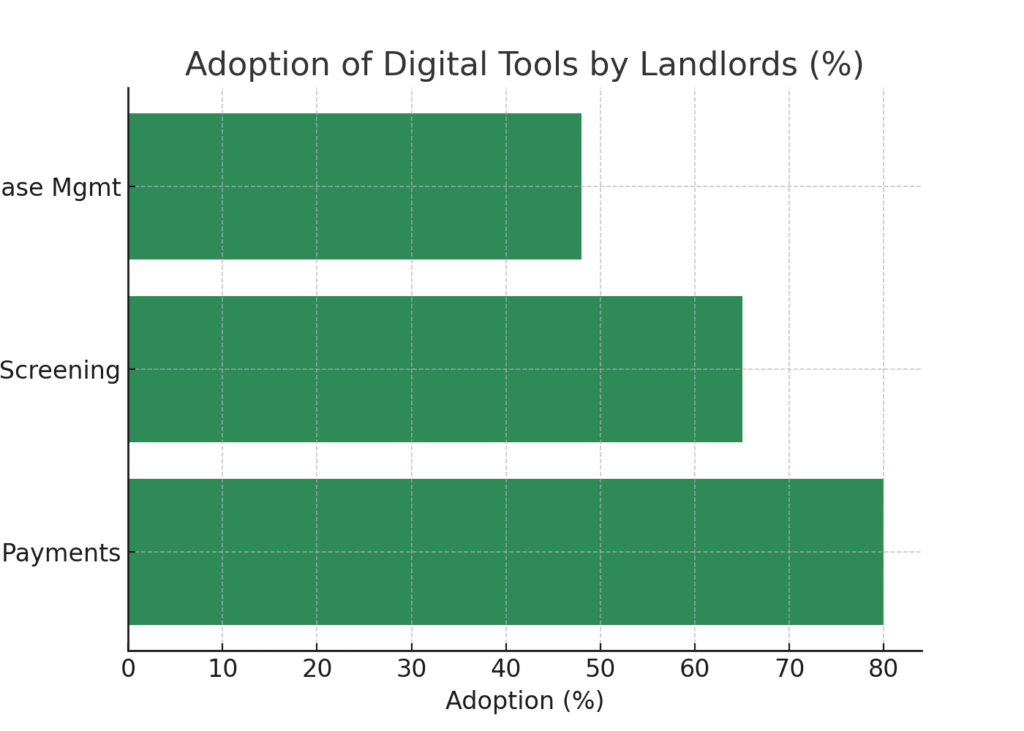
| 8 | Vacancy | 6.9%vacancy rate despite rent increases | Even with rising vacancies in Q3 2024, median rents increased 3.2% to $1,906, showing strong underlying demand that effective marketing can capitalize on. |
| 9 | Digital Gap | 25%of landlords use free platforms effectively | Massive opportunity exists as 75% of landlords underutilize free advertising platforms. Mastering digital marketing basics can provide significant competitive advantages in tenant acquisition. |
| 10 | Digital | 25%higher engagement with virtual tours | Properties featuring virtual tours and floor plans dramatically outperform standard listings. Visual marketing tools are no longer optional but essential for competitive tenant attraction. |
| 11 | Digital | 78%see high ROI from free marketing channels | Local classifieds, social media groups, and community boards deliver strong returns. Combining free and paid channels creates comprehensive marketing coverage without breaking budgets. |
| 12 | Digital | 200%ROI from optimized PPC advertising | Pay-per-click advertising returns $2 for every $1 invested when properly optimized. Strategic digital advertising can significantly accelerate tenant acquisition and reduce vacancy periods. |
| 13 | Demographics | 9.72MAmericans own rental property | Representing 3.73% of adults, this growing landlord base creates both opportunity and competition. Differentiated marketing becomes crucial in an increasingly crowded market. |
| 14 | Demographics | 88.5%of landlord properties are single-family | Single-family rental dominance requires targeted marketing strategies. Family-focused amenities, neighborhood highlights, and lifestyle marketing resonate with this primary market segment. |
| 15 | Demographics | 80%of rentals are owner-managed | Most landlords handle their own marketing, highlighting the need for accessible, easy-to-use marketing tools and strategies that don't require professional management expertise. |
| 16 | Demographics | 2:1applicant screening ratio | Landlords typically screen two applicants per vacancy, indicating the need for quality lead generation rather than just volume. Targeted marketing attracts better-qualified prospects. |
| 17 | Demographics | 650average tenant credit score | Lower creditworthiness requires marketing strategies that highlight property value and landlord flexibility. Consider marketing to credit-building programs and alternative qualification methods. |
| 18 | Demographics | 2,654new renters enter market daily | Consistent daily demand creates ongoing opportunities for landlords with strong marketing systems. Regular listing optimization and market presence capture this steady stream of prospects. |
| 19 | Trends | 71%of landlords optimistic about 2025 profitability | Strong market confidence with 33% very optimistic drives increased investment and competition. Early adoption of advanced marketing strategies provides competitive advantages. |
| 20 | Trends | 32%plan to buy 2-3 properties in 2025 | Expansion-minded landlords need scalable marketing systems. With single-family purchases up 6.7% year-over-year, efficient marketing processes become essential for portfolio growth. |
Top 20 Landlord Marketing Statistics 2025
Landlord Marketing Statistics #1: 85% Of Landlords Raised Rents In 2024
The majority of landlords increased rents in 2024, with 85% reporting some level of rise. This was often due to inflation, higher maintenance costs, and growing demand in urban rental markets. For landlords, this shows how pricing strategy remains one of the most powerful tools in property marketing. Rent increases also highlight the need for clear communication with tenants to avoid turnover. Personally, I see this as a reminder that balancing profitability with tenant satisfaction is critical.
Landlord Marketing Statistics #2: 78% Of Landlords Plan To Increase Rents In 2025
Looking ahead, 78% of landlords say they expect to raise rents in 2025. The average planned increase sits around 6.21%, showing confidence in tenant demand despite economic uncertainty. For landlords like me, this reinforces the importance of aligning rent with market trends while keeping long-term tenant retention in mind. A well-marketed property can justify these increases through value perception. Ultimately, tenants are more likely to accept rent hikes if they see added benefits in the living experience.
Landlord Marketing Statistics #3: Rental Vacancy Rates Rose To 6.9% In Q3 2024
Vacancy rates climbed to 6.9% in late 2024, yet rents still managed to grow. This stat shows how demand and supply imbalances can play out differently across regions. For landlords, it signals the importance of strategic marketing to stand out in a competitive environment. Even in times of higher vacancies, properties with strong online listings and visuals get rented faster. Personally, I take this as proof that marketing often makes the difference between an empty unit and consistent income.
Landlord Marketing Statistics #4: 67% Of Landlords Own Single-Family Rentals
Single-family rentals remain the backbone of the landlord market, with 67% of landlords owning at least one. These properties tend to attract long-term tenants, making them stable investments. For landlords looking to expand portfolios, the popularity of SFRs offers a clear growth path. Marketing strategies for single-family homes often emphasize comfort, space, and privacy. I find it reassuring to know that single-family rentals continue to align with tenant preferences.
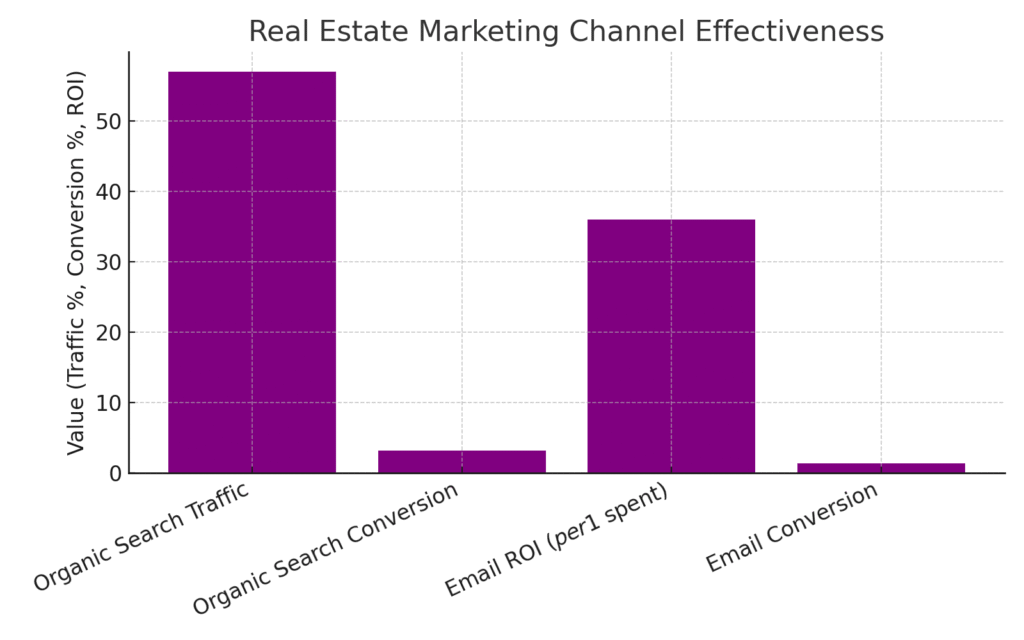
Landlord Marketing Statistics #5: 80% Of Tenants Prefer Paying Rent Online
Digital convenience has become the norm, with 80% of tenants preferring online payment systems. For landlords, this means marketing a property as “tech-enabled” can be a selling point. Offering online payment options signals professionalism and tenant-centric thinking. It also makes the landlord’s job easier with automated records and reduced late payments. Personally, I see this as one of the simplest ways to improve tenant satisfaction and marketing appeal.
Landlord Marketing Statistics #6: 65% Of Companies Use AI-Driven Tenant Screening
AI-driven tools are reshaping tenant screening, now used by 65% of property managers and landlords. This shift reduces risks of missed red flags while speeding up approvals. For marketing, promoting fast and fair screening can be a competitive advantage. Tenants often feel reassured when the process is transparent and quick. I believe adopting AI shows tenants that landlords are serious about professionalism.
Landlord Marketing Statistics #7: 48% Of Firms Use Automated Lease Management
Nearly half of landlords and property managers use automated lease systems. These tools streamline renewals, notices, and document storage. For tenants, a smooth leasing process is part of the rental experience, making it a marketing differentiator. Marketing a unit as having “seamless leasing” can set landlords apart. Personally, I think automation saves time while also improving tenant trust.
Landlord Marketing Statistics #8: Tenant Turnover Costs About $1,750 Per Unit
On average, turnover costs landlords around $1,750 for each vacant unit. This includes lost rent, cleaning, marketing, and potential renovations. For landlords, reducing turnover through strong relationships and communication is vital. Marketing strategies that highlight community and long-term value can help tenants stay. I’ve learned that retention is one of the most powerful forms of marketing.
Landlord Marketing Statistics #9: 61% Of Renters Prefer Annual Leases
Most tenants, about 61%, prefer signing 12-month leases. This provides stability for both landlords and renters. Landlords can use this preference in marketing by emphasizing secure, longer-term agreements. Offering incentives for annual leases can further boost tenant interest. Personally, I like the predictability that comes with longer lease commitments.
Landlord Marketing Statistics #10: 70% Of Property Investors Own Just One Rental
A large majority of investors—70%—only manage one rental property. For marketing, this means many landlords are competing with limited resources and experience. Smaller landlords can differentiate by offering personalized service and communication. Marketing that emphasizes “local” or “hands-on” management can appeal to tenants. I find it encouraging that even with one property, you can stand out with the right strategy.
Landlord Marketing Statistics #11: Management Fees Average 8–12% Of Rent
Property management fees typically fall between 8% and 12% of monthly rent. For landlords, this becomes a marketing consideration when deciding between self-management or professional help. Highlighting that fees cover convenience and tenant support can appeal to prospective renters. Well-managed properties often market themselves through efficiency and responsiveness. Personally, I view management fees as an investment in tenant satisfaction.
Landlord Marketing Statistics #12: Property Management Market To Reach $98.88 Billion By 2029
The property management industry is projected to grow to nearly $99 billion by 2029. This growth reflects rising demand for professional services and scalable tools. For landlords, it means more competition but also more resources to market effectively. Larger industry size also points to the increasing professionalism of landlords. I think this validates the importance of using data and strategy in property marketing.
Landlord Marketing Statistics #13: Property Software Market Valued At $3.04 Billion
Property management software has reached a global market value of $3.04 billion. With such rapid adoption, tenants now expect digital experiences as the standard. Marketing a property as using smart management tools can appeal to tech-savvy renters. Software also gives landlords better data to refine marketing campaigns. Personally, I see tech adoption as a way to stay ahead of competitors.
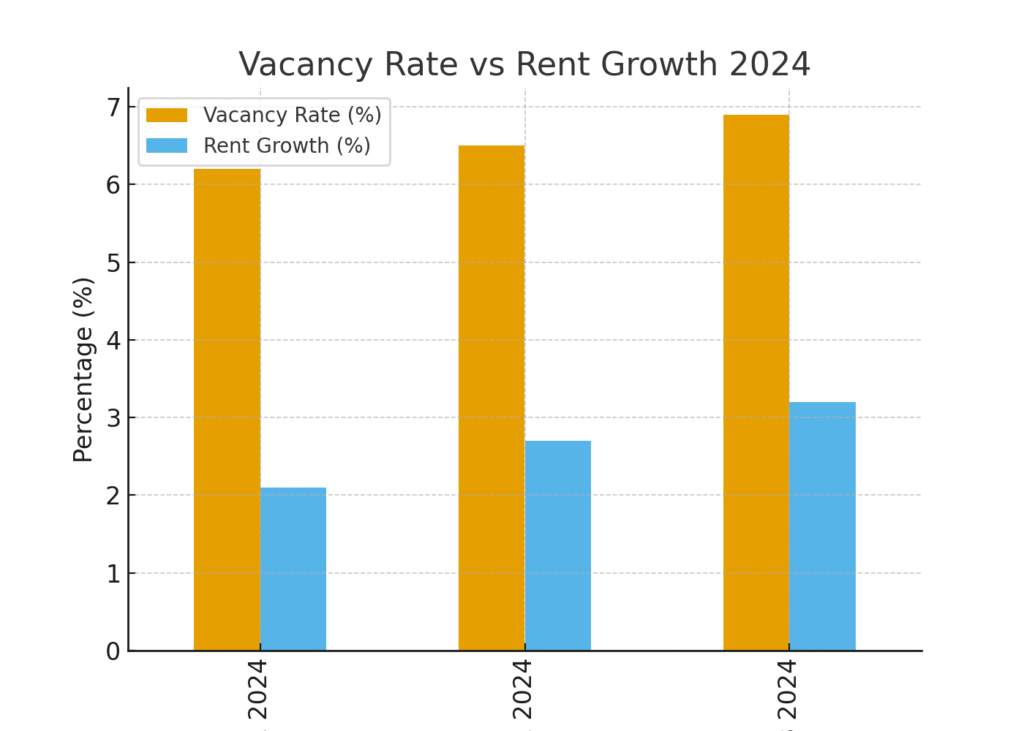
Landlord Marketing Statistics #14: Organic Search Drives 57% Of Real Estate Traffic
Search engines remain the top driver of property website traffic at 57%. For landlords, SEO is a vital part of marketing. Listings optimized with keywords and local targeting can generate more qualified leads. Tenants usually start their search online, making visibility crucial. I’ve realized that if you’re not showing up on Google, you’re missing out.
Landlord Marketing Statistics #15: Organic Search Converts At 3.2% In Real Estate
Organic search delivers a 3.2% conversion rate, higher than paid ads. This makes SEO one of the most cost-effective strategies for landlords. By ranking high in local searches, landlords can cut advertising costs and still fill units. Marketing investments in content, reviews, and keywords pay off in the long run. Personally, I prefer organic strategies that feel authentic rather than forced.
Landlord Marketing Statistics #16: Listings With Video Get 403% More Inquiries
Video has become a game-changer, with listings that include it getting 403% more inquiries. Tenants connect more emotionally when they can “walk through” a space virtually. For landlords, this is one of the clearest marketing opportunities. Videos also build trust by showing details that photos may hide. I’ve started seeing video as a non-negotiable in property marketing.
Landlord Marketing Statistics #17: Real Estate Email ROI Is $36 Per $1 Spent
Email campaigns in real estate yield one of the best ROIs—about $36 for every $1 invested. Landlords can use this channel for updates, offers, and community building. Email creates a direct line with potential tenants and existing renters. Personalized and engaging emails can significantly impact decision-making. Personally, I love how cost-effective this method is compared to other marketing tools.
Landlord Marketing Statistics #18: Real Estate Email Conversion Rate Is 1.4%
While conversion rates for emails average 1.4%, the reach and ROI are still impressive. For landlords, email nurtures interest over time. Regular updates keep tenants and prospects engaged, even if they don’t convert immediately. Effective subject lines and content are key for success. I find email to be a steady marketing tool that works best with consistency.
Landlord Marketing Statistics #19: 82% Of Real Estate Businesses Use Social Media
Social media is used by 82% of real estate professionals for marketing. Landlords can learn from this trend to boost visibility. Platforms like Instagram, Facebook, and TikTok are now major property search tools. Creative posts and consistent engagement help attract younger tenants. Personally, I’ve seen how social media transforms rentals into lifestyle experiences.
Landlord Marketing Statistics #20: Social Videos Generate 1,200% More Shares Than Other Posts
Videos on social media outperform everything else, generating 1,200% more shares. For landlords, this means videos are essential for virality and reach. A short tour or testimonial can spread far beyond traditional ads. Social sharing also builds organic credibility among tenants. I believe video marketing is the fastest way to boost property visibility.
Wrapping Up: Why These Stats Matter
Looking back at these landlord marketing statistics, I feel more motivated than ever to rethink how I market and manage rentals. It’s not just about filling units—it’s about creating a tenant experience that keeps people around, lowers turnover costs, and strengthens long-term returns. I know firsthand how overwhelming it can feel to keep up with trends, but pulling all these numbers together makes the path clearer. Personally, I’m excited to apply what I’ve learned and experiment with smarter, more engaging strategies. If you’re anything like me, I hope this roundup sparks new ideas and gives you the confidence to market your properties with a fresh perspective.
SOURCES
https://rentredi.com/blog/rental-marketing-key-metrics-every-landlord-should-track/
https://www.baselane.com/resources/rental-market-trends
https://rentredi.com/blog/2025-landlord-trend-report-fewer-purchases-more-investment-in-rentals/
https://www.charlestonpc.com/blog/landlord-marketing-magic-attract-quality-tenants-like-a-pro
https://www.buildium.com/blog/marketing-a-rental-property-like-a-pro-tips-for-landlords/
https://resimpli.com/blog/rental-market-trends/
https://www.amgrents.com/kissimmee-property-management-blog/understanding-rental-market-trends
https://www.coloradorpm.com/trends-landlords-should-watch-in-the-2025-rental-market/
https://www.rubyhome.com/blog/property-management-stats/
https://www.ipropertyexpress.com/top-trends-in-property-management-for-2025-u-s-market/