



21 Sep TOP 20 LUXURY GOODS MARKETING STATISTICS 2025
In today’s competitive landscape, understanding luxury goods marketing statistics is no longer optional—it’s essential for brands that want to stay ahead. From the rise of timeless craftsmanship in Asia to the digital shift in luxury e-commerce, the numbers reveal just how quickly consumer expectations are evolving. Even specialized sectors, such as a chiropractic digital marketing agency, can learn valuable strategies from the luxury market’s focus on personalization and exclusivity. Working with a marketing agency in New York that understands both global trends and local nuances can make all the difference when translating these insights into real growth. This article brings together the top 20 statistics that highlight where the luxury market is heading in 2025 and beyond, giving you a clear picture of what drives success in this exclusive industry.
Top 20 Luxury Goods Marketing Statistics 2025 (Editor’s Choice)
| Statistic # | Luxury Goods Marketing Statistic |
|---|---|
| 1 | Global luxury goods market reached $300.99B in 2021 and is projected to hit $391.3B by 2025. |
| 2 | Expected CAGR of 6.78% for luxury goods market from 2025 to 2033. |
| 3 | Luxury fashion projected at $124B by 2025; leather goods $85.9B; cosmetics & fragrances $80.97B. |
| 4 | Online luxury e-commerce expected to surpass $80B in 2025. |
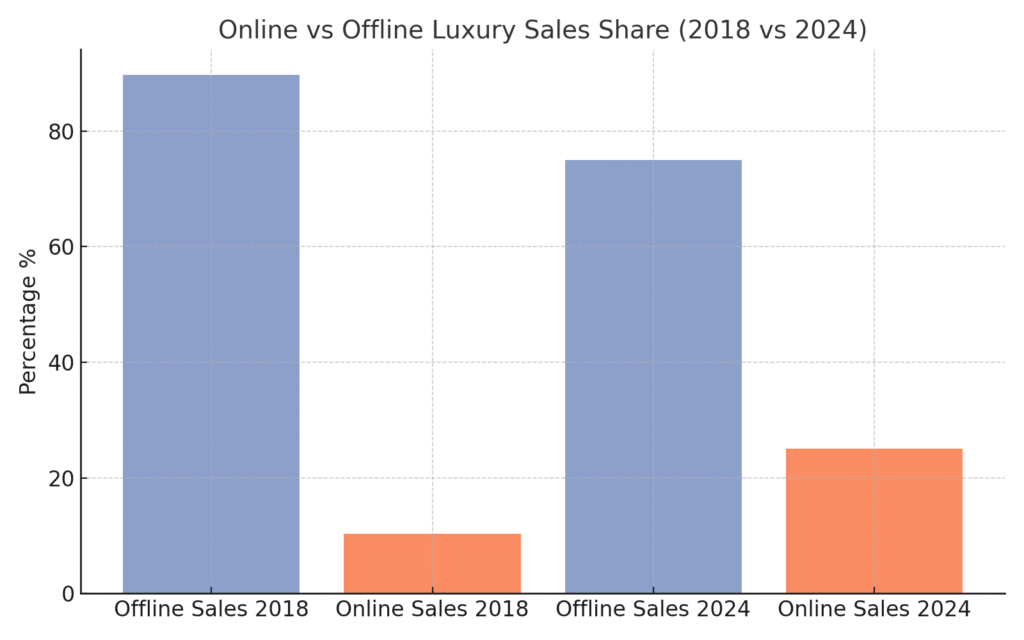
| 5 | Offline sales dominate but online share grew from ~10% in 2018 to higher levels by 2024. |
| 6 | Between 2019–2023, 80%+ of luxury growth came from price increases, not higher volumes. |
| 7 | Luxury consumer base shrank by ~50 million globally due to rising prices. |
| 8 | Personal luxury goods sales expected to decline 2–5% in 2025 compared to 2024. |
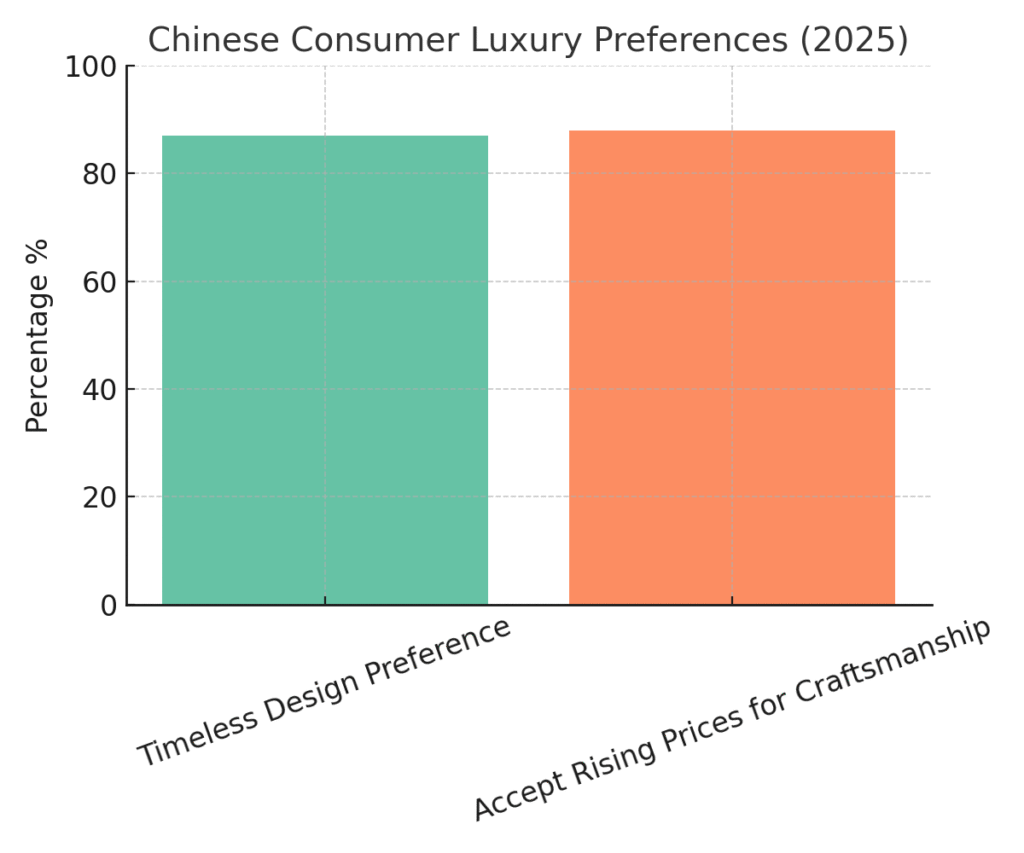
| 9 | 87% of Chinese luxury consumers now prefer timeless designs over trends. |
| 10 | 88% of Chinese shoppers accept rising prices if products deliver on craftsmanship. |
| 11 | Consumers now value product quality and longevity more than brand name alone. |
| 12 | 46% of Mainland Chinese consumers want immersive brand-led experiences. |
| 13 | Over 90% of luxury buyers in Asia expect brands to reward loyalty. |
| 14 | Price sensitivity rising: aspirational luxury consumers are more elastic to increases. |
| 15 | Only 16.3% of U.S. consumers in 2025 said they plan to buy luxury in next 12 months. |
| 16 | Macroeconomic headwinds—like inflation—are pressuring luxury demand worldwide. |
| 17 | Overexposure and rapid expansion risk diluting exclusivity of luxury brands. |
| 18 | Leather goods, watches & jewelry remain strong growth areas viewed as investments. |
| 19 | Experiential luxury (travel, curated services) continues to gain traction in 2025. |
| 20 | Sustainability and responsible sourcing increasingly define consumer trust in luxury. |
Top 20 Luxury Goods Marketing Statistics
Luxury Goods Marketing Statistics #1 – Global Luxury Goods Market Reached $300.99B in 2021 and Is Projected to Hit $391.3B by 2025
The luxury goods market has shown consistent growth in recent years, reaching nearly $301 billion in 2021. Analysts project this figure will climb to $391.3 billion by 2025, reflecting the sector’s resilience. This expansion is fueled by consumer demand in emerging markets and the rising spending power of affluent millennials. Luxury brands are capitalizing on global tourism recovery and digital platforms to capture more revenue. This statistic highlights how luxury continues to thrive despite economic uncertainties.
Luxury Goods Marketing Statistics #2 – Expected CAGR of 6.78% for Luxury Goods Market From 2025 to 2033
The luxury market is expected to maintain steady momentum with a compound annual growth rate of 6.78% from 2025 through 2033. This sustained growth indicates long-term stability for high-end fashion, jewelry, and personal goods. Increasing digital adoption, international expansion, and aspirational buyers are contributing to this positive trajectory. Brands are investing heavily in marketing to ensure they capture market share during this growth phase. The CAGR suggests luxury goods will remain one of the strongest retail sectors over the next decade.
Luxury Goods Marketing Statistics #3 – Luxury Fashion Projected at $124B by 2025; Leather Goods $85.9B; Cosmetics & Fragrances $80.97B
Luxury sub-sectors are seeing distinct growth paths. By 2025, luxury fashion is projected to reach $124 billion, with leather goods and cosmetics following closely. Leather items are prized for their craftsmanship, making them a reliable growth driver. Cosmetics and fragrances, meanwhile, appeal to younger audiences as an entry point into luxury. Together, these categories show how diverse the luxury market has become.
Luxury Goods Marketing Statistics #4 – Online Luxury E-Commerce Expected to Surpass $80B in 2025
E-commerce continues to reshape luxury marketing. By 2025, online luxury sales are expected to exceed $80 billion globally. This shift reflects consumer preferences for digital convenience paired with premium service. Brands are creating immersive online experiences to replicate boutique exclusivity. As a result, online channels are becoming just as important as physical flagship stores.
Luxury Goods Marketing Statistics #5 – Offline Sales Dominate but Online Share Grew From ~10% in 2018 to Higher Levels by 2024
While online luxury has surged, offline channels still dominate overall sales. In 2018, only about 10% of luxury goods were purchased online, but that number has significantly grown. Flagship stores and boutiques remain central to brand storytelling and customer experience. However, digital platforms are increasingly influential in driving awareness and conversions. This balance shows that luxury marketing strategies must integrate both physical and online elements.
Luxury Goods Marketing Statistics #6 – Between 2019–2023, 80%+ of Luxury Growth Came From Price Increases, Not Higher Volumes
From 2019 to 2023, luxury brands relied heavily on raising prices to fuel growth. More than 80% of the sector’s expansion came from pricing rather than increased product volumes. This strategy reinforced exclusivity but reduced accessibility for aspirational buyers. Marketing campaigns during this period emphasized heritage, craftsmanship, and scarcity to justify premium pricing. The trend highlights the delicate balance between brand value and consumer reach.
Luxury Goods Marketing Statistics #7 – Luxury Consumer Base Shrank by ~50 Million Globally Due to Rising Prices
As luxury prices rose, the overall consumer base contracted. Around 50 million buyers exited the luxury market in recent years. Many aspirational customers were priced out, leaving brands to focus on ultra-high-net-worth individuals. This shift has forced marketers to refine their targeting and storytelling. The statistic underscores how exclusivity can sometimes limit long-term market expansion.
Luxury Goods Marketing Statistics #8 – Personal Luxury Goods Sales Expected to Decline 2–5% in 2025 Compared to 2024
The luxury sector is not immune to market downturns. Sales of personal luxury goods are forecasted to decline by up to 5% in 2025 versus 2024. Economic uncertainty and cautious consumer sentiment are contributing factors. Brands may need to increase promotional efforts and customer engagement strategies to sustain loyalty. This dip emphasizes the cyclical nature of even premium industries.
Luxury Goods Marketing Statistics #9 – 87% of Chinese Luxury Consumers Now Prefer Timeless Designs Over Trends
Chinese luxury shoppers are increasingly valuing timelessness. About 87% now prioritize enduring style and craftsmanship over seasonal trends. This preference reflects a desire for investments that retain long-term value. Brands have responded by focusing on classic collections and heritage storytelling. This shift highlights the evolution from fast-fashion luxury to enduring elegance.
Luxury Goods Marketing Statistics #10 – 88% of Chinese Shoppers Accept Rising Prices if Products Deliver on Craftsmanship
Despite price hikes, most Chinese luxury consumers continue to buy if craftsmanship is clear. In fact, 88% accept higher prices when quality and artistry are evident. This trend emphasizes the role of product authenticity in marketing. Storytelling about artisanship and heritage resonates strongly with these audiences. It shows that brand narratives must align with tangible product excellence.

Luxury Goods Marketing Statistics #11 – Consumers Now Value Product Quality and Longevity More Than Brand Name Alone
Modern luxury buyers are redefining the meaning of exclusivity. For many, quality and longevity matter more than the logo itself. This mindset shift elevates the importance of product design and durability in marketing. It also suggests resale value is playing a bigger role in purchase decisions. Brands must adapt by highlighting materials, sustainability, and craftsmanship.
Luxury Goods Marketing Statistics #12 – 46% of Mainland Chinese Consumers Want Immersive Brand-Led Experiences
Nearly half of Chinese luxury consumers are looking for immersive experiences. These buyers want more than just a product—they seek storytelling, inspiration, and interactive touchpoints. Experiential marketing strategies such as pop-ups, digital storytelling, and exclusive events are gaining traction. This shift reinforces the need for brands to engage beyond traditional retail. The number demonstrates how experiences now define luxury as much as goods.
Luxury Goods Marketing Statistics #13 – Over 90% of Luxury Buyers in Asia Expect Brands to Reward Loyalty
Loyalty programs are increasingly expected even in luxury. In Asia, more than 90% of buyers say brands should reward customer loyalty. Exclusive benefits, early access, and personalized perks are highly valued. This marks a change in how luxury connects with its audience, blending exclusivity with recognition. Marketing efforts must include VIP programs that feel authentic and aspirational.
Luxury Goods Marketing Statistics #14 – Price Sensitivity Rising: Aspirational Luxury Consumers Are More Elastic to Increases
Price elasticity is becoming a challenge for luxury brands. Aspirational buyers are growing more sensitive to continuous price hikes. This trend risks alienating a once-crucial demographic for long-term growth. Brands need to balance exclusivity with affordability to maintain inclusivity. Marketing must focus on demonstrating value to justify pricing strategies.
Luxury Goods Marketing Statistics #15 – Only 16.3% of U.S. Consumers in 2025 Said They Plan to Buy Luxury in Next 12 Months
Consumer sentiment in the U.S. is softening. Only 16.3% of respondents in 2025 said they expect to purchase luxury items within a year. This decline from previous years highlights cautious spending habits. Inflation, economic pressure, and shifting priorities are impacting intentions. Marketers must work harder to capture attention and instill confidence in hesitant buyers.
Luxury Goods Marketing Statistics #16 – Macroeconomic Headwinds Like Inflation Are Pressuring Luxury Demand Worldwide
Luxury demand is being challenged by macroeconomic forces. Inflation, currency fluctuations, and geopolitical risks are influencing buying behaviors. Even high-income consumers are reconsidering discretionary spending. These conditions emphasize the importance of resilience and adaptive marketing. The statistic shows how external factors can reshape even the strongest sectors.
Luxury Goods Marketing Statistics #17 – Overexposure and Rapid Expansion Risk Diluting Exclusivity of Luxury Brands
As brands expand globally, some risk losing their aura of exclusivity. Overexposure through mass retail and frequent collaborations can dilute prestige. Luxury thrives on scarcity, and overexpansion undermines that principle. Marketers must carefully curate distribution to maintain brand value. This trend warns against prioritizing growth at the cost of identity.
Luxury Goods Marketing Statistics #18 – Leather Goods, Watches & Jewelry Remain Strong Growth Areas Viewed as Investments
Certain luxury categories continue to outperform. Leather goods, watches, and jewelry are increasingly seen as investment pieces. Their enduring value attracts both seasoned and new collectors. Marketing strategies highlight heritage, durability, and craftsmanship in these segments. This reinforces their position as symbols of timeless luxury.
Luxury Goods Marketing Statistics #19 – Experiential Luxury (Travel, Curated Services) Continues to Gain Traction in 2025
Beyond products, experiential luxury is flourishing. Consumers are investing in curated travel, services, and exclusive experiences. These offerings align with a desire for memorable, unique moments. Marketing is evolving to promote not just items but lifestyles. This growth highlights how “luxury” now encompasses experiences as much as goods.
Luxury Goods Marketing Statistics #20 – Sustainability and Responsible Sourcing Increasingly Define Consumer Trust in Luxury
Sustainability is no longer optional in luxury marketing. Consumers demand transparency in sourcing, materials, and brand practices. Trust is increasingly tied to social and environmental responsibility. Brands that integrate purpose into their strategies are winning loyalty. This trend cements sustainability as a core pillar of modern luxury.

Why These Luxury Trends Matter
Looking at these statistics, it’s clear that the luxury industry is at a turning point. Consumers are demanding more than just logos—they want experiences, authenticity, and long-lasting value. For brands, this means a smarter, more strategic approach to marketing that balances tradition with innovation. By embracing these insights, businesses can align themselves with the values that matter most to modern buyers while still preserving the exclusivity that defines luxury. The future belongs to those who can adapt quickly, and these numbers are the roadmap to doing just that.
SOURCES
-
- https://www.fortunebusinessinsights.com/luxury-goods-market-103866
- https://www.forbes.com/sites/pamdanziger/2025/06/19/luxury-lethargy-sets-in-as-the-market-braces-for-up-to-a-5-drop-in-2025/
- https://www.mckinsey.com/industries/retail/our-insights/state-of-luxury
- https://www.bain.com/about/media-center/press-releases/20252/luxury-confronts-slowdown-amid-economic-headwinds-and-market-disruptions-while-industry-resilience-and-strong-fundamentals-underpin-future-prospects/
- https://www.luxurytribune.com/en/what-can-be-expected-for-luxury-in-the-second-half-of-2025
- https://www.news.market.us/luxury-goods-statistics/
- https://www.bain.com/insights/luxury-in-transition-securing-future-growth/
- https://neworleanscitybusiness.com/blog/2025/06/20/luxury-goods-sales-slow-2025-global-trends/
- https://www.imarcgroup.com/luxury-goods-market
- https://www.uniformmarket.com/statistics/luxury-clothing-market
- https://www.businessoffashion.com/reports/state-of-luxury-fashion-industry/
- https://www.voguebusiness.com/story/consumers/how-asian-consumers-are-shopping-for-luxury-in-2025
- https://apnews.com/article/f38874c1c80620ecb3412a369cf75f6a
- https://apnews.com/article/32e628674279d4931a1f54cc2fcfa483
- https://www.businessinsider.com/middle-class-economy-wealth-luxury-shopping-consumers-spending-retail-2025-5