



21 Sep TOP 20 MOTHER’S DAY MARKETING STATISTICS 2025
Whenever I dive into Mother’s Day Marketing Statistics, I’m reminded that this holiday is so much more than a retail opportunity—it’s a chance to connect with emotions, family traditions, and heartfelt gestures. As someone who has spent time studying trends with a leading marketing agency in New York, I’ve seen firsthand how campaigns that celebrate authenticity tend to outperform those that just focus on sales. It’s fascinating to see how much thought goes into every detail, from flowers and jewelry to unique experiences that moms truly cherish. My goal here is to share not just numbers, but the meaning behind them, so that businesses and marketers can better align with what families genuinely want during this special occasion.
Top 20 Mother’s Day Marketing Statistics 2025 (Editor’s Choice)
🌸 Mother's Day 2025 Marketing Statistics 🌸
Essential insights for your Mother's Day marketing strategy
| # | Category | Key Statistic | Insight |
|---|---|---|---|
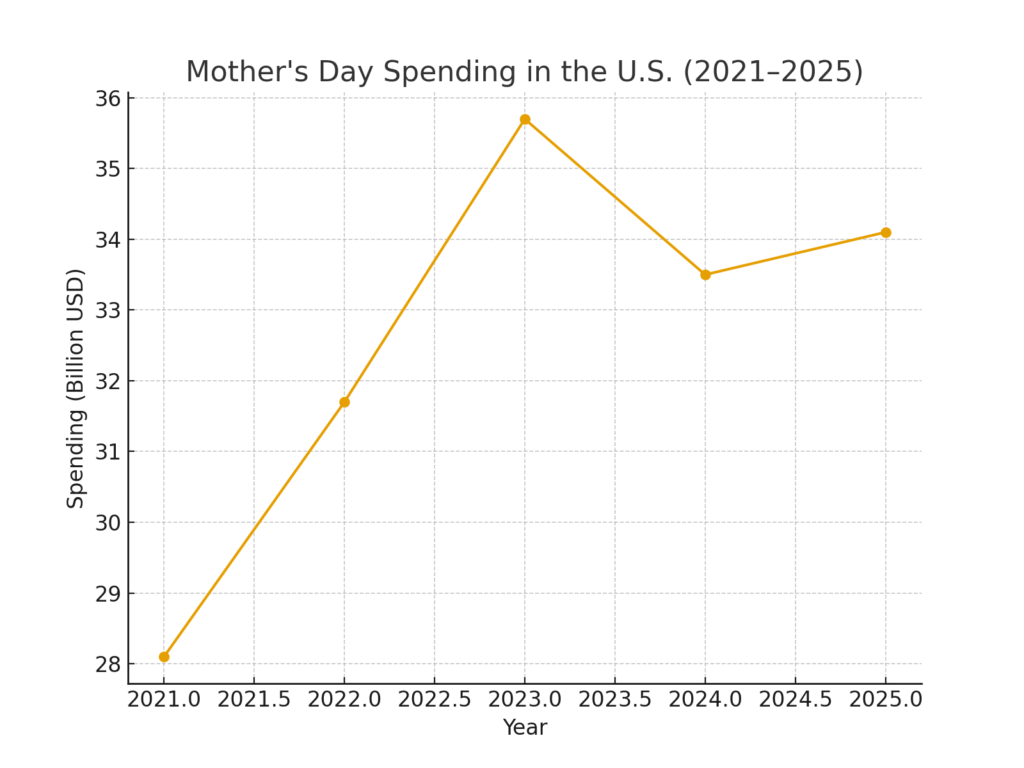
| 1 | Spending | $34.1B | Total expected Mother's Day spending in the US for 2025, making it the second-highest on record |
| 2 | Spending | $259.04 | Average amount each person will spend on Mother's Day gifts and experiences, up $5 from 2024 |
| 3 | Spending | 31.5% | Shoppers who spend more on Mother's Day than Father's Day |
| 4 | Shopping | 74% | US adults expected to celebrate Mother's Day festivities |
| 5 | Shopping | 84% | People planning to celebrate Mother's Day for the fourth year in a row |
| 6 | Shopping | April Peak | Most purchases expected to happen in April, making pre-season promotions critical |
| 7 | Shopping | 68% / 58% | Shoppers who explore gifts in-store (68%) vs. research online (58%) before buying |
| 8 | Digital | 586% | Search interest increase around Mother's Day quarter-over-quarter |
| 9 | Shopping | 59% | Mother's Day shoppers who also plan to buy for Father's Day |
| 10 | Gifts | 74% / 73% / 61% | Most popular gifts: Flowers (74%), greeting cards (73%), and special outings (61%) |
| 11 | Gifts | 60% | Shoppers who want to take Mom out for experiences like brunches, concerts, and museum trips |
| 12 | Shopping | 25% | Mother's Day shoppers who will support local small businesses |
| 13 | Digital | 36% | Shoppers who prefer online shopping for Mother's Day, making it the most popular option |
| 14 | Digital | 63% | Consumers planning to buy Mother's Day gifts through Amazon |
| 15 | Marketing | 37% Drop | Facebook CPC peaks in March, then drops 37% as the holiday approaches |
| 16 | Digital | Gen Z + Mill | Millennials and Gen Z are more likely to turn to social media and influencers for gift inspiration |
| 17 | Marketing | 70% Lower | Cost-per-link-clicks reduction from influencer campaigns vs traditional advertising |
| 18 | Shopping | 23% / 12% | Gift buyers shopping for wives (23%) and daughters (12%), not just moms |
| 19 | Marketing | 2-4 Weeks | Optimal campaign start time before Mother's Day for maximum impact |
| 20 | Spending | 55% / 56% | Consumers willing to pay for convenience (55%) and special moments (56%) |
Top 20 Mother’s Day Marketing Statistics 2025
Mother’s Day Marketing Statistics #1 – $34.1 Billion Expected U.S. Spending
Mother’s Day spending is projected to hit $34.1 billion in the U.S. in 2025, marking one of the highest totals in holiday retail. This shows just how significant the day has become for both retailers and families. The number reflects not only traditional gift categories but also experiences, dining, and luxury items. Brands that tap into emotional campaigns often see the best engagement with this kind of spending. Clearly, Mother’s Day is no longer just a sentimental holiday but also a powerhouse for the retail economy.
Mother’s Day Marketing Statistics #2 – $259 Average Spend Per Person
The average celebrant plans to spend about $259 on Mother’s Day gifts in 2025. This figure demonstrates a steady rise over the years as consumers increasingly invest in meaningful experiences and high-quality items. Retailers targeting this price range can capture a wide segment of buyers. Marketers should note that promotions highlighting value rather than just discounts resonate strongly. It’s a reminder that people want to give more thoughtful gifts, even if it means spending more.
Mother’s Day Marketing Statistics #3 – 84% Celebrate Mother’s Day
About 84% of Americans say they will celebrate Mother’s Day in some way. This massive participation shows how universal and important the holiday is in people’s lives. For marketers, it represents a broad opportunity to reach nearly every household with tailored campaigns. Brands that create inclusive messages will resonate with diverse family dynamics. Simply put, almost everyone has a reason to join in the celebration.
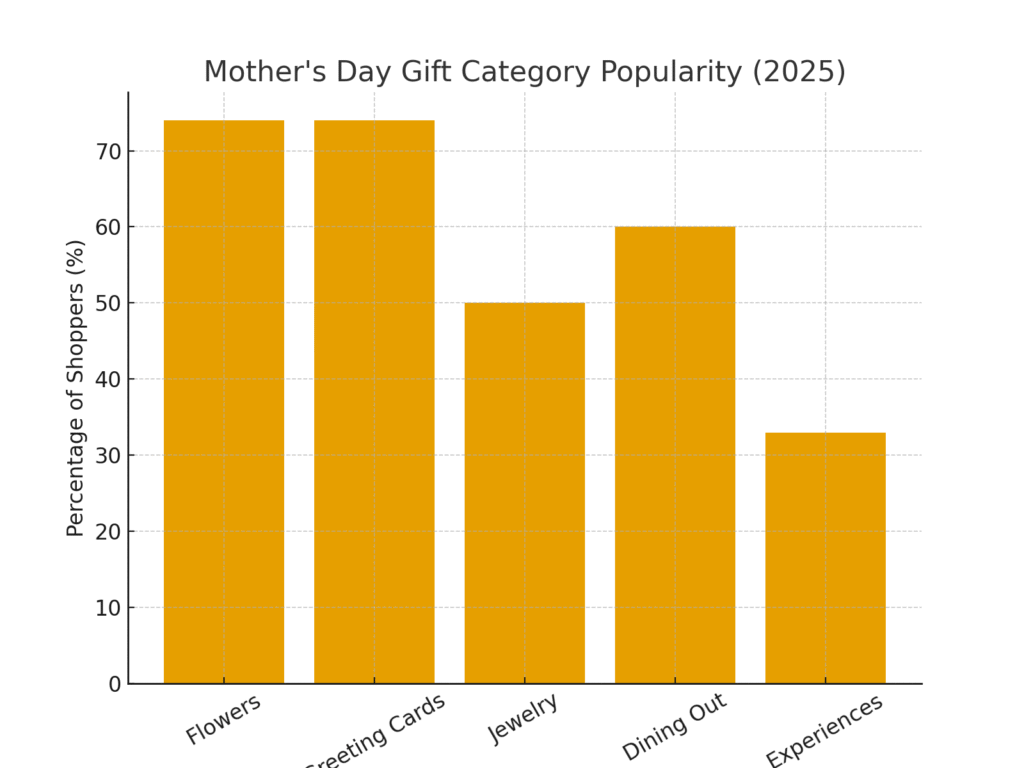
Mother’s Day Marketing Statistics #4 – 74% Plan To Buy Flowers And Cards
Flowers and greeting cards remain a staple, with 74% of people buying them each year. This category continues to thrive because of its emotional and symbolic value. For marketers, this means strong opportunities in personalization—think custom notes, unique card designs, or bouquet bundles. Adding creative twists to traditional gifts can help brands stand out. Even in a digital world, simple physical tokens still carry immense emotional weight.
Mother’s Day Marketing Statistics #5 – 60% Intend To Take Mom Out
About 60% of consumers plan to take their moms out for a special outing or meal. Dining and entertainment experiences are now major parts of Mother’s Day spending. Restaurants, travel brands, and experience-based businesses can benefit from this shift. Campaigns that highlight “shared memories” or “special moments” perform well. This reflects the trend of prioritizing time spent together over just physical gifts.
Mother’s Day Marketing Statistics #6 – Jewelry Among Top Gift Categories
Jewelry continues to be a top-selling category during Mother’s Day, capturing billions in sales. It symbolizes elegance, value, and timeless appreciation. Marketers can leverage storytelling campaigns that connect jewelry with emotional milestones. Limited-edition collections often perform particularly well during this season. Jewelry brands that focus on sentiment as much as style find strong success.
Mother’s Day Marketing Statistics #7 – 47% Plan To Spend More Than Last Year
Nearly half of shoppers say they plan to spend more on Mother’s Day in 2025 than they did the year before. This suggests that consumers are placing a greater value on this occasion over time. Inflation may play a role, but so does the desire to make the day more special. Marketers can use this insight to position premium product options. It’s a sign that Mother’s Day continues to gain financial importance for families.
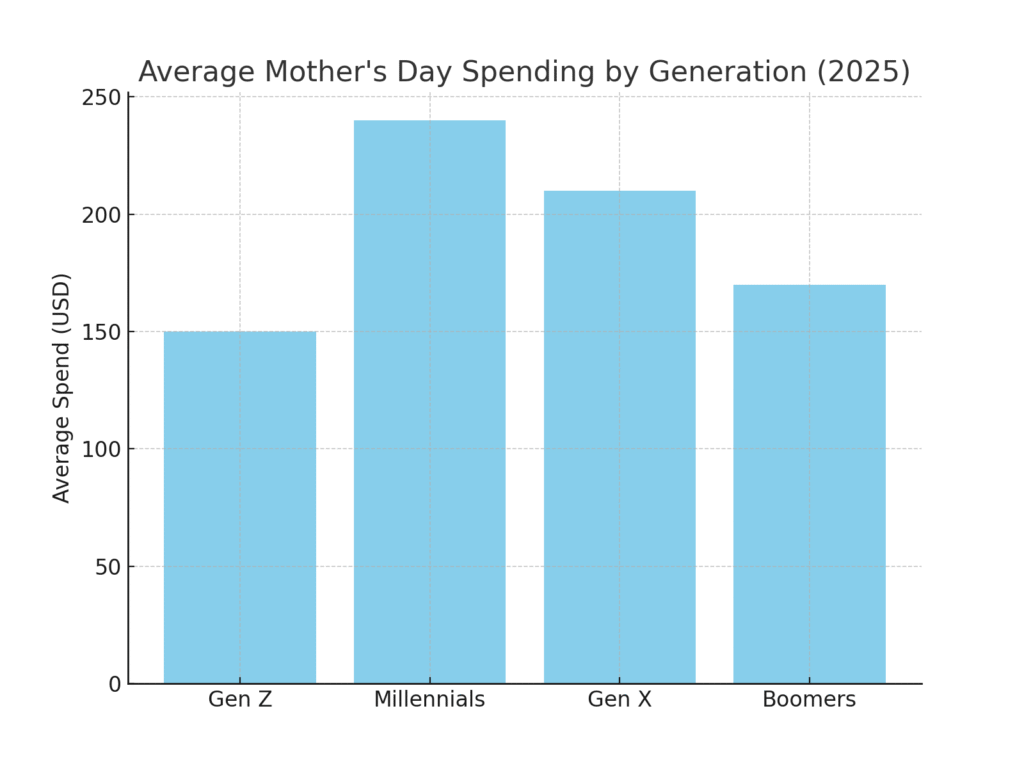
Mother’s Day Marketing Statistics #8 – Millennials Spend The Most At $240+
Millennials lead in spending, with averages of over $240 dedicated to Mother’s Day. This generation values both gifts and experiences, blending tradition with modern preferences. Marketers should appeal to their digital-first mindset with strong online campaigns. Social media and influencer marketing are especially effective for reaching this group. Millennials’ high spending makes them a key target audience for Mother’s Day promotions.
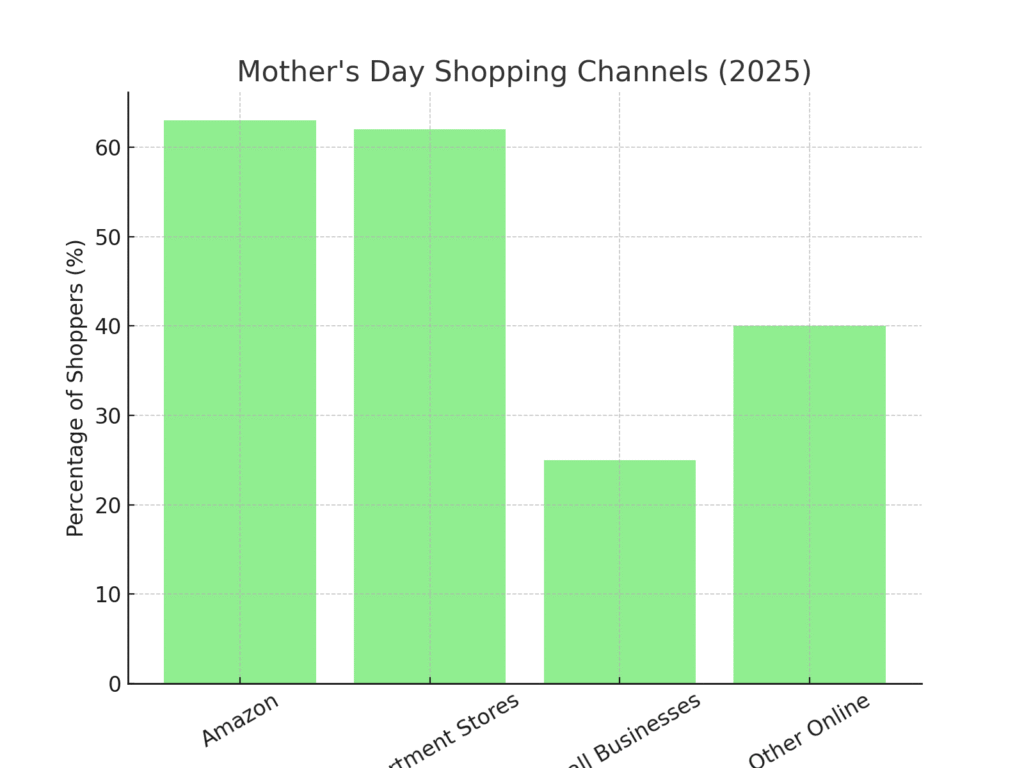
Mother’s Day Marketing Statistics #9 – 63% Buy From Amazon
Amazon remains the top retailer for Mother’s Day, with 63% of shoppers planning to buy there. The platform dominates because of convenience, variety, and fast shipping. Brands selling through Amazon should optimize listings and promotions ahead of the holiday. However, smaller businesses can compete by emphasizing personalization and exclusivity. Consumers trust Amazon for quick solutions, but they also value uniqueness from independent retailers.
Mother’s Day Marketing Statistics #10 – 62% Value Department Store Discounts
Department stores can win shoppers if they provide value, with 62% citing discounts as the top motivator. Free shipping also plays a big role in conversions. Retailers should highlight special promotions to attract Mother’s Day traffic. Combining convenience with affordability makes department stores appealing. Ultimately, clear value propositions are what sway consumer decisions during this holiday.
Mother’s Day Marketing Statistics #11 – One-Third Prefer Giving Experiences
One-third of celebrants plan to give an experience rather than a physical gift. This reflects a growing demand for memory-making activities. Experience-driven campaigns, such as spa packages or weekend getaways, resonate strongly. Brands can differentiate themselves by offering customizable or flexible options. This shift underscores that consumers want to give more than just material items.
Mother’s Day Marketing Statistics #12 – 70% Say Price Is The Deciding Factor
For 70% of consumers, price is the ultimate deciding factor in their Mother’s Day purchases. This makes promotions, bundles, and transparent pricing strategies vital. Even when consumers are willing to spend more, they still want to feel they’re getting value. Smart pricing can turn hesitant shoppers into buyers. Marketers must balance emotional messaging with financial incentives.
Mother’s Day Marketing Statistics #13 – 25% Support Small Businesses
Around one-quarter of shoppers plan to purchase gifts from small businesses. This reflects a cultural shift toward supporting local and independent retailers. Marketers can lean into authenticity, craftsmanship, and community storytelling. Consumers often see these gifts as more meaningful compared to mass-market items. It’s a strong opportunity for smaller brands to shine during Mother’s Day.
Mother’s Day Marketing Statistics #14 – 70% Shop 2–4 Weeks In Advance
About 70% of consumers purchase their Mother’s Day gifts 2–4 weeks before the holiday. This makes early marketing campaigns especially critical. Retailers should ensure stock and promotions are visible well ahead of May. Waiting until the last minute means missing most potential buyers. Proactive planning aligns perfectly with consumer habits.
Mother’s Day Marketing Statistics #15 – 586% Spike In Search Interest
Search interest around Mother’s Day jumped 586% quarter-over-quarter in 2025. This highlights just how massive online discovery is for the holiday. SEO, PPC ads, and social content become especially powerful in this period. Marketers who fail to optimize digital visibility risk being overlooked. The spike is a reminder that online presence is now central to holiday marketing.
Mother’s Day Marketing Statistics #16 – 61% Of Moms Want More Time With Kids
Interestingly, 61% of mothers themselves say they want more time with their kids rather than just gifts. This highlights the importance of non-material celebrations. Campaigns that encourage shared experiences often strike an emotional chord. Marketers can frame products as tools for creating memories rather than just items. Ultimately, the emotional connection outweighs the physical gift.
Mother’s Day Marketing Statistics #17 – 47% Want Unique Gifts
Almost half of shoppers say they prioritize unique gifts for Mother’s Day. This shows a clear preference for personalization and creativity. Customized items, from engraved jewelry to photo books, resonate strongly. Marketers should highlight originality and meaning over mass-produced products. Unique gifts make moms feel truly special, which aligns with the day’s purpose.
Mother’s Day Marketing Statistics #18 – 26% Of Florist Purchases Come From Mother’s Day
Mother’s Day accounts for about 26% of all florist holiday sales. This proves just how central flowers are to the celebration. Florists should prepare for a surge in demand well ahead of time. Online flower delivery platforms also see strong traffic spikes. Marketing that emphasizes freshness, beauty, and delivery speed works best.
Mother’s Day Marketing Statistics #19 – 1.5 Recipients Per Celebrant
On average, each person buys for about 1.5 recipients, such as mothers, stepmothers, or grandmothers. This increases total sales opportunities for retailers. Campaigns that recognize multiple types of “moms” can feel more inclusive. Marketers who broaden their messaging beyond just biological mothers can capture more buyers. Inclusivity in advertising helps people connect with their diverse family realities.
Mother’s Day Marketing Statistics #20 – Restaurants See Record Sales
Mother’s Day is one of the biggest days of the year for restaurants, often the highest-grossing Sunday. Families flock to dining establishments to treat moms to special meals. Restaurants should prepare special menus, offers, or themed experiences. Reservation platforms see spikes in traffic, making early booking campaigns crucial. Dining out has become as traditional as giving flowers on Mother’s Day.
A Personal Takeaway on Mother’s Day Marketing
Looking back at these insights, what stands out to me is that behind every percentage point is a story of someone trying to show love and gratitude. For me personally, it reinforces how important it is to design campaigns that feel human—because Mother’s Day isn’t about flashy ads, it’s about creating real connections. I believe that if we keep empathy and authenticity at the heart of marketing, the statistics will naturally follow in a positive direction. At the end of the day, these numbers aren’t just about business growth; they’re about capturing a feeling that every mom deserves.
SOURCES
https://nrf.com/media-center/press-releases/mother-s-day-spending-expected-to-reach-34-1-billion
https://spiegel.medill.northwestern.edu/what-moms-and-shoppers-want-in-2025/
https://www.sortlist.co.uk/blog/mothers-day-marketing/
https://www.yotpo.com/blog/mothers-day-campaigns/
https://www.optimove.com/blog/mothers-day-2025-marketing-insights
https://strikesocial.com/blog/trends-and-ideas-for-mothers-day-advertising-2025/
https://www.klaviyo.com/blog/mothers-day-emails
https://www.linkedin.com/pulse/mothers-day-2025-global-opportunity-emotional-engagement-pyjjf
https://www.justuno.com/blog/navigating-cause-marketing-impact-driven-approach-for-mothers-day/
https://www.theshelf.com/event-holiday-marketing/mothers-day-spending-and-trends/