




18 Sep TOP 20 MULTI-PLATFORM MARKETING STATISTICS 2025
When I first started exploring how businesses reach customers across different touchpoints, I realized just how powerful a multi-channel approach can be. That’s why I’ve pulled together these multi-platform marketing statistics—to give you a clear picture of where the industry is heading and why it matters right now. Working closely with a leading marketing agency in New York, I’ve seen firsthand how brands that adapt across platforms don’t just survive—they thrive. Whether it’s social media, email, influencer partnerships, or mobile campaigns, the numbers here tell a story of connection, creativity, and measurable growth. My goal is to share these insights in a way that feels less like data on a screen and more like a conversation about real opportunities.
Top 20 Multi-Platform Marketing Statistics 2025 (Editor’s Choice)
| # | Statistic | Details | Source |
|---|---|---|---|
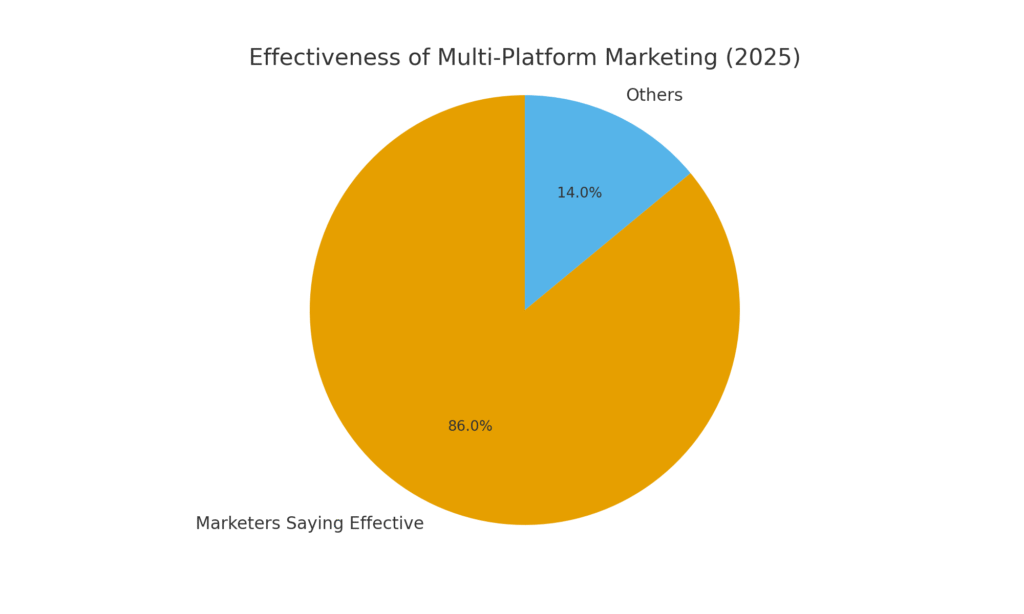
| 1 | Effectiveness rising | 86% of marketers say multichannel marketing is more effective | Salesgenie |
| 2 | Low best-in-class adoption | Only 23% describe their strategy as best-in-class | Salesgenie |
| 3 | Data challenges | 37% cite data quality, 27% cite data quantity as top issues | Salesgenie |
| 4 | Social media users | 5.42 billion global users in 2025 | SproutSocial |
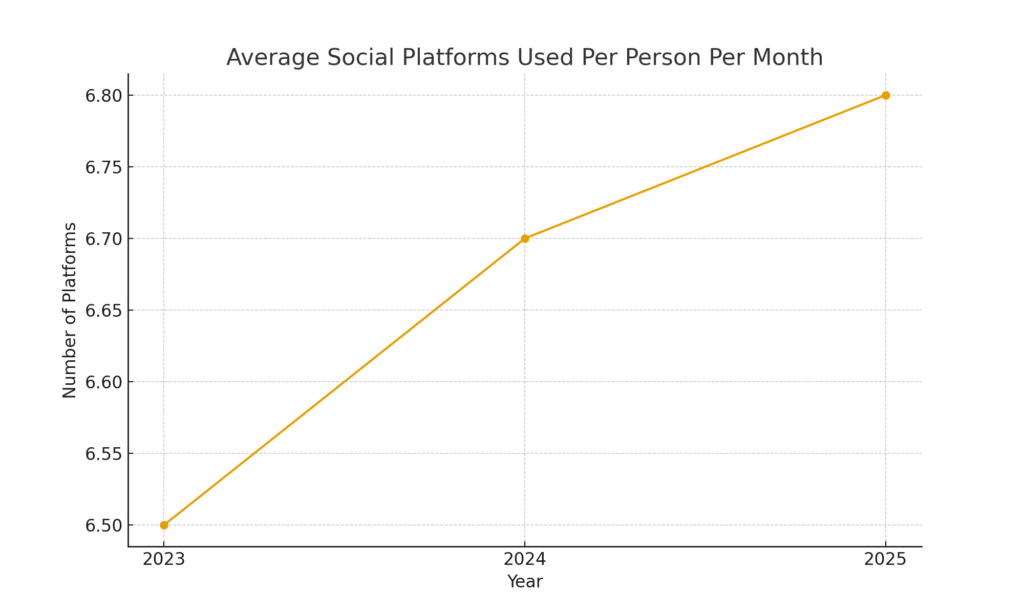
| 5 | Platforms per user | Average of 6.8 networks per month | SproutSocial |
| 6 | Time spent daily | 141 minutes per day on social media | SproutSocial |
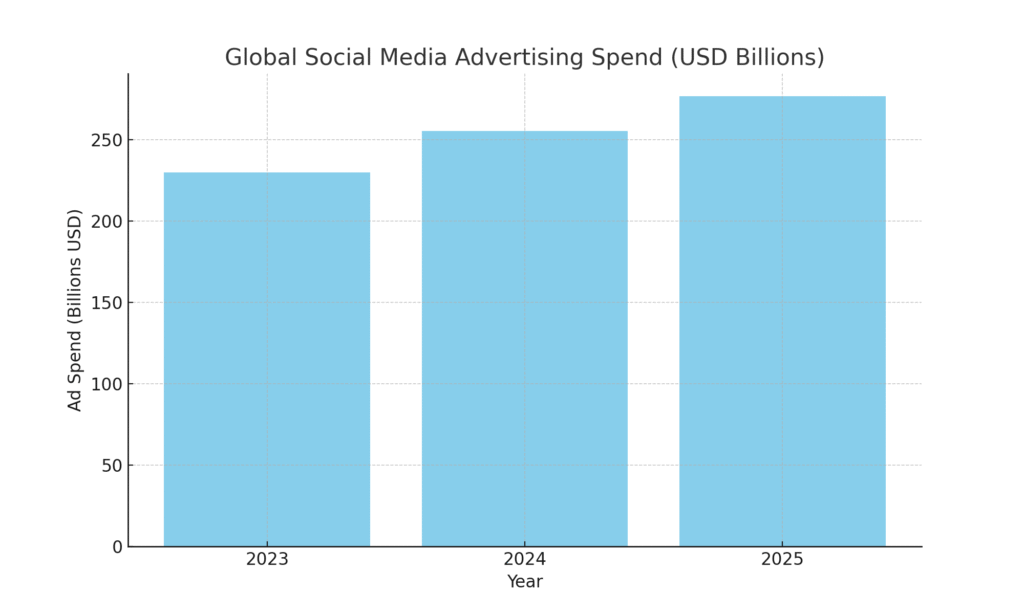
| 7 | Ad spend growth | $276.7B in 2025 on social media ads | SproutSocial |
| 8 | Mobile ad dominance | 83% of ad spend from mobile by 2030 | SproutSocial |
| 9 | Discovery via social | 58% discover new businesses on social media | Sprinklr |
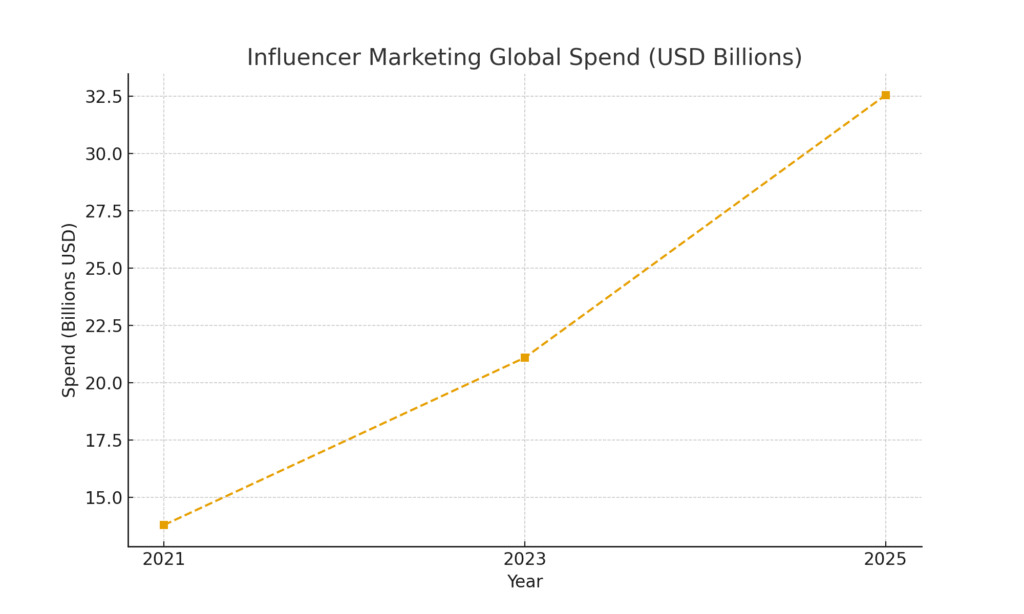
| 10 | Influencer marketing spend | $32.55B globally in 2025 | PRNewswire |
| 11 | Micro/mid-tier preference | 73% of brands prefer micro or mid-tier creators | PRNewswire |
| 12 | AI in influencer marketing | 92% of brands use or plan to use AI tools | PRNewswire |
| 13 | Content reuse vs unique | 48% reuse content across platforms, 34% make unique | HubSpot |
| 14 | Measuring success | 41% measure content success through sales | HubSpot |
| 15 | Rising investments | 50% plan to increase content marketing spend | HubSpot |
| 16 | Podcasts/audio growth | 91% will maintain or increase podcast investments | HubSpot |
| 17 | Paid + organic effect | Paid ads boost organic installs in app campaigns | Arxiv |
| 18 | Diversified social boosts sales | 2–5% higher sales with broader social presence | Arxiv |
| 19 | Cross-platform exposure | Overlaps increase awareness & purchase intent | Arxiv |
| 20 | Consumer engagement | 48% interact more with brands than 6 months ago | SproutSocial |
Top 20 Multi-Platform Marketing Statistics 2025
Multi-Platform Marketing Statistics#1 Effectiveness Rising
The effectiveness of multi-platform marketing continues to gain recognition among marketers. A reported 86% of marketers say that using multiple channels makes their campaigns more effective. This shows a shift away from relying solely on single-channel strategies. Businesses adopting this approach often see stronger engagement and better brand recall. The data confirms that being present across platforms isn’t just a trend—it’s becoming the standard.
Multi-Platform Marketing Statistics#2 Low Best-In-Class Adoption
Only 23% of marketers describe their multi-platform marketing as best-in-class. This means most companies still see plenty of room for improvement. Many marketers are experimenting but haven’t yet fully optimized their approach. The gap between recognition of value and perfect execution remains wide. This creates opportunities for those who can fine-tune strategies early.
Multi-Platform Marketing Statistics#3 Data Challenges
Data plays a huge role in multi-platform strategies, yet it remains a pain point. Around 37% of marketers identify data quality as a challenge. Another 27% cite issues with data quantity. Without reliable data, it’s difficult to personalize and optimize campaigns. Solving these problems will be key to unlocking full potential.
Multi-Platform Marketing Statistics#4 Social Media Users Worldwide
In 2025, there are about 5.42 billion social media users globally. This represents a massive opportunity for brands to connect with audiences. Each platform serves unique demographics and interests. Businesses leveraging multiple platforms can reach wider segments at once. It highlights why multi-platform marketing is no longer optional.
Multi-Platform Marketing Statistics#5 Platforms Per User
The average person uses 6.8 different social platforms each month. This reflects how fragmented attention has become. Consumers jump between networks for news, entertainment, and shopping. Marketers must adapt their messaging to fit each platform’s culture. Ignoring this diversity risks losing relevance.
Multi-Platform Marketing Statistics#6 Time Spent Daily
Users spend an average of 141 minutes per day on social media. This significant time investment shows how central social media is to daily life. It also emphasizes how much exposure brands can gain through consistent presence. With consumers browsing multiple platforms, cross-channel strategies have immense reach. Capturing even a fraction of this time can boost conversions.
Multi-Platform Marketing Statistics#7 Ad Spend Growth
Social media ad spend is projected to reach $276.7 billion in 2025. This surge reflects how brands are investing heavily in digital touchpoints. Multi-platform marketing ensures that ad spend is distributed effectively. Businesses placing ads across platforms maximize exposure and ROI. The rising budget also means competition will continue to intensify.
Multi-Platform Marketing Statistics#8 Mobile Ad Dominance
By 2030, 83% of social media ad spending is expected to come from mobile. This confirms the central role of mobile devices in consumer engagement. Marketers focusing on multi-platform strategies must prioritize mobile-first design. Ads and content optimized for mobile will reach the broadest audiences. The trend shows that desktop-only strategies are becoming outdated.
Multi-Platform Marketing Statistics#9 Discovery Via Social
About 58% of consumers say they discover new businesses through social media. This makes platforms a vital part of brand visibility. Discovery across multiple platforms boosts awareness even more. Cross-platform exposure ensures businesses don’t miss audiences on certain channels. For marketers, being present in discovery moments is a major advantage.
Multi-Platform Marketing Statistics#10 Influencer Marketing Spend
Influencer marketing is projected to hit $32.55 billion globally in 2025. This shows how essential influencers have become in multi-platform campaigns. Brands collaborate with influencers across Instagram, TikTok, YouTube, and more. Each platform provides a unique style of engagement. The growing spend proves influencers are now a cornerstone of strategy.
Multi-Platform Marketing Statistics#11 Micro/Mid-Tier Preference
Around 73% of brands prefer working with micro or mid-tier influencers. These creators often generate better engagement than larger influencers. They also offer a more authentic connection with niche audiences. Brands using them across multiple platforms see even stronger impact. The preference highlights how relatability often beats celebrity reach.
Multi-Platform Marketing Statistics#12 AI In Influencer Marketing
A massive 92% of brands use or plan to use AI tools in influencer workflows. AI streamlines tasks like audience targeting and performance tracking. It also helps repurpose influencer content across multiple platforms. This integration shows how technology is shaping multi-platform campaigns. Brands using AI effectively will likely gain efficiency and better ROI.
Multi-Platform Marketing Statistics#13 Content Reuse Vs Unique
Nearly half of marketers reuse or lightly adapt content across platforms. Meanwhile, 34% create unique content for each channel. Both strategies have advantages, depending on goals and resources. Reused content saves time, while unique content resonates better with each audience. Balancing the two is crucial in multi-platform marketing.
Multi-Platform Marketing Statistics#14 Measuring Success
About 41% of marketers measure content success based on sales. This reflects a focus on tangible business outcomes. Engagement and awareness matter, but sales remain the ultimate metric. Multi-platform strategies often show success through conversions across multiple touchpoints. This stat reinforces the need for strong tracking systems.
Multi-Platform Marketing Statistics#15 Rising Investments
Half of marketers plan to increase spending on content marketing. Multi-platform approaches are driving this surge. As competition grows, brands recognize the need to stay active across multiple channels. Increased investments also mean innovation in tools and strategies. This reflects a future where content marketing is more robust than ever.
Multi-Platform Marketing Statistics#16 Podcasts/Audio Growth
A huge 91% of marketers will maintain or increase investment in podcasts and audio. Audio platforms are becoming critical parts of multi-platform strategies. Podcasts allow deeper storytelling compared to short-form social posts. Audio complements video and written content for stronger brand presence. This investment highlights growing consumer demand for diverse formats.
Multi-Platform Marketing Statistics#17 Paid + Organic Effect
Paid ads often produce spillover effects on organic installs in app campaigns. This means investing in ads helps overall performance beyond paid clicks. Multi-platform strategies amplify this effect across different channels. Combining paid and organic ensures long-term visibility. Brands that balance both approaches see better efficiency.
Multi-Platform Marketing Statistics#18 Diversified Social Boosts Sales
Companies with broader social presence see 2–5% higher web sales. Multi-platform engagement captures more customer journeys. A diversified approach reduces dependency on a single channel. Brands using this strategy strengthen resilience and reach. The stat shows clear revenue benefits for going multi-platform.
Multi-Platform Marketing Statistics#19 Cross-Platform Exposure
Cross-platform overlaps in impressions increase awareness and intent. Seeing a brand multiple times across platforms builds trust. Consumers are more likely to remember and act on repeated exposure. This makes consistent branding across platforms critical. The stat highlights how repetition across channels drives results.
Multi-Platform Marketing Statistics#20 Consumer Engagement
Nearly 48% of consumers interact with brands more often than six months ago. This shows rising engagement levels across platforms. Consistent, multi-platform presence encourages frequent interaction. Consumers expect brands to meet them wherever they spend time online. For marketers, this underscores the importance of adaptability.
Why These Insights Matter
Looking back at these multi-platform marketing statistics, what really stands out to me is how consistent the message is: brands that go wide and stay authentic win. I don’t just see this as numbers—I see it as proof of the shifts I’ve noticed while working with different campaigns and teams. If you’ve ever wondered whether investing in more than one platform is worth it, the data here gives us a clear “yes.” Personally, I take it as a reminder that adaptability is everything in today’s marketing world. And that’s exactly why I wanted to put this together—not just to inform, but to spark ideas you can carry into your own strategies.
SOURCES
https://www.hubspot.com/marketing-statistics
https://www.sproutsocial.com/insights/social-media-statistics/
https://www.sprinklr.com/blog/social-media-marketing-statistics/
https://landingi.com/digital-marketing/statistics/
https://www.salesforce.com/marketing/marketing-statistics/
https://www.hostinger.com/tutorials/digital-marketing-statistics
https://pinckneyharmon.com/cross-platform-analytics-in-modern-marketing/
https://inboundblogging.com/digital-marketing-statistics/
https://bloggingwizard.com/content-marketing-statistics-trends/
https://contentmarketinginstitute.com/b2b-research/b2b-content-marketing-trends-research
https://influencermarketinghub.com/influencer-marketing-benchmark-report/
https://blog.flarelane.com/nine-statistics-about-cross-channel-marketing-you-should-know/