



20 Sep TOP 20 PARENT MARKETING STATISTICS 2025
Understanding parents as consumers is key to unlocking some of the most powerful buying decisions in today’s market. With children shaping everything from grocery lists to vacation plans, brands need to stay on top of the latest parent marketing statistics to craft campaigns that truly connect. Parents are not just buying for themselves—they are buying for their families, with values, convenience, and trust at the forefront of their decisions. Drawing from real consumer insights, this article breaks down how parents shop, what influences them, and why they remain one of the most influential audiences for modern marketers. As a marketing agency in New York, we’ve seen firsthand how understanding parental dynamics can transform a campaign from ordinary to unforgettable.
Top 20 Parent Marketing Statistics 2025 (Editor’s Choice)
| # | Parent Marketing Statistic | Key Insight |
|---|---|---|
| 1 | Parents influence ~85% of household purchases | From groceries to travel, parents drive most spending decisions. |
| 2 | 90% of parents say kids influence purchases | Children impact not just toy buying but household products too. |
| 3 | Gen Alpha drives $28B in direct spending | Kids have growing financial influence in the U.S. market. |
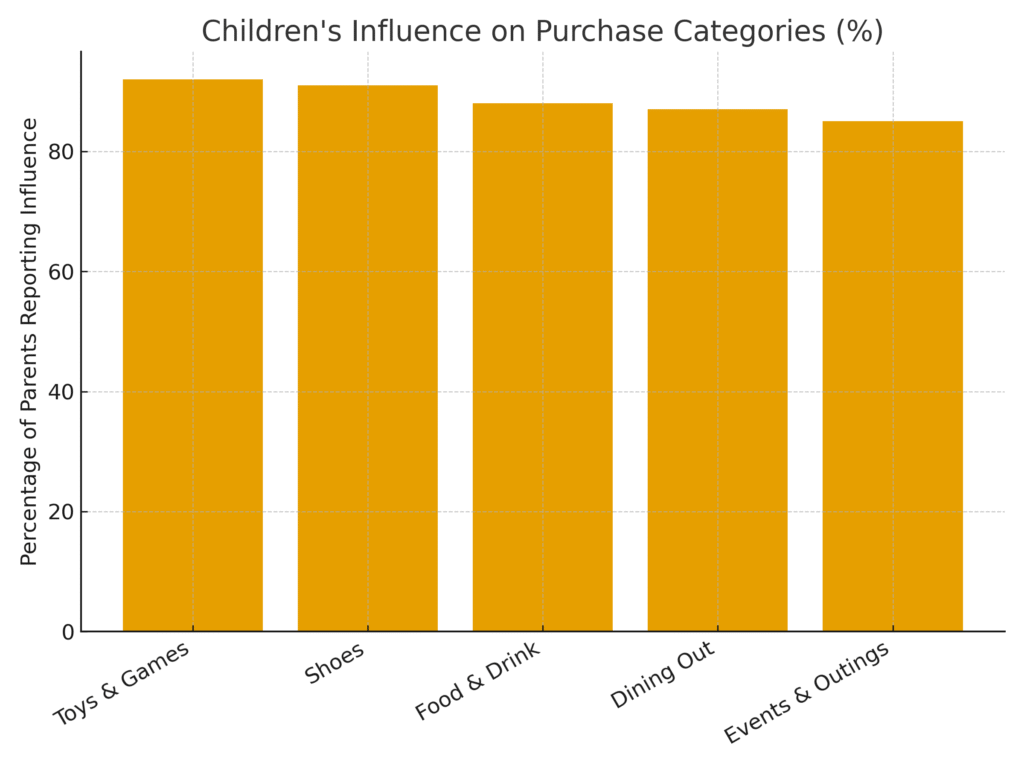
| 4 | Children influence 92% of toy purchases | Other big categories: shoes, food & dining. |
| 5 | 72% of parents involve kids early in shopping | Children help explore, compare, and research products. |
| 6 | Gen Alpha = 14% of U.S. population in 2025 | 1 in 3 U.S. households has a child under 12. |
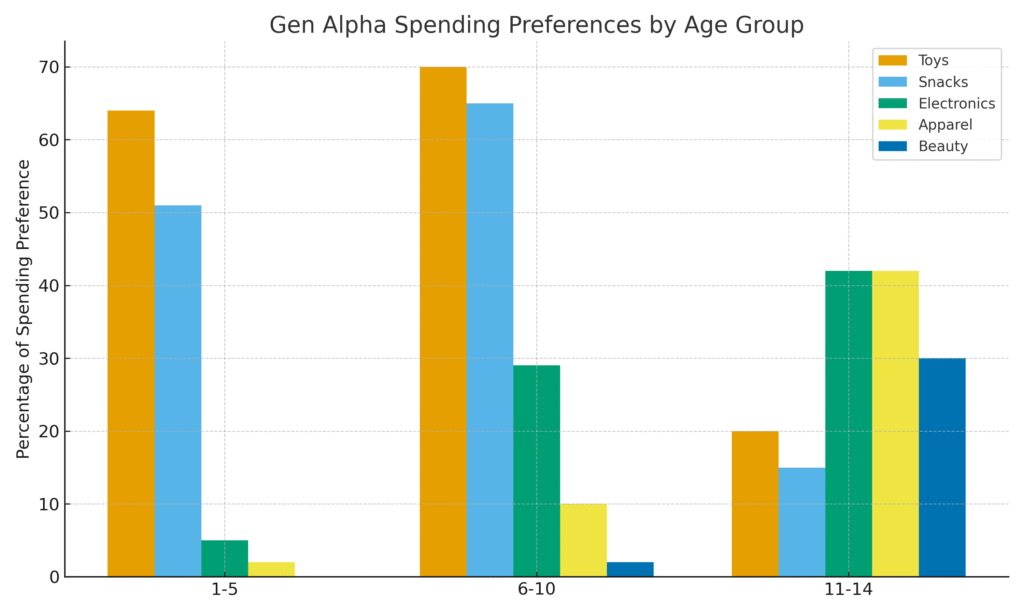
| 7 | Ages 6–10 spend mostly on toys/snacks | Shift to electronics & apparel as they age. |
| 8 | Scent, style & brand influence older kids | Friends, packaging, and social media also shape choices. |
| 9 | 66% of Gen Alpha prefer in-store shopping | Despite digital, physical stores still play a big role. |
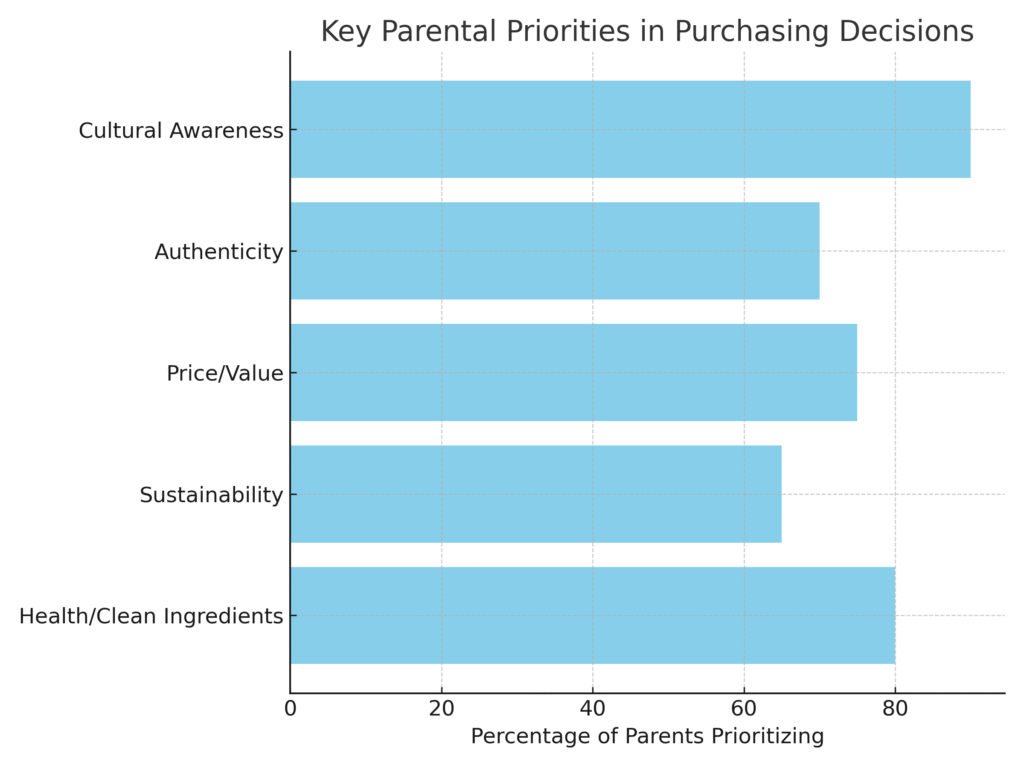
| 10 | Health & clean ingredients matter to parents | Parents prioritize wellness when buying for kids. |
| 11 | 56% of parents made a product recommendation | Word-of-mouth remains powerful for brands. |
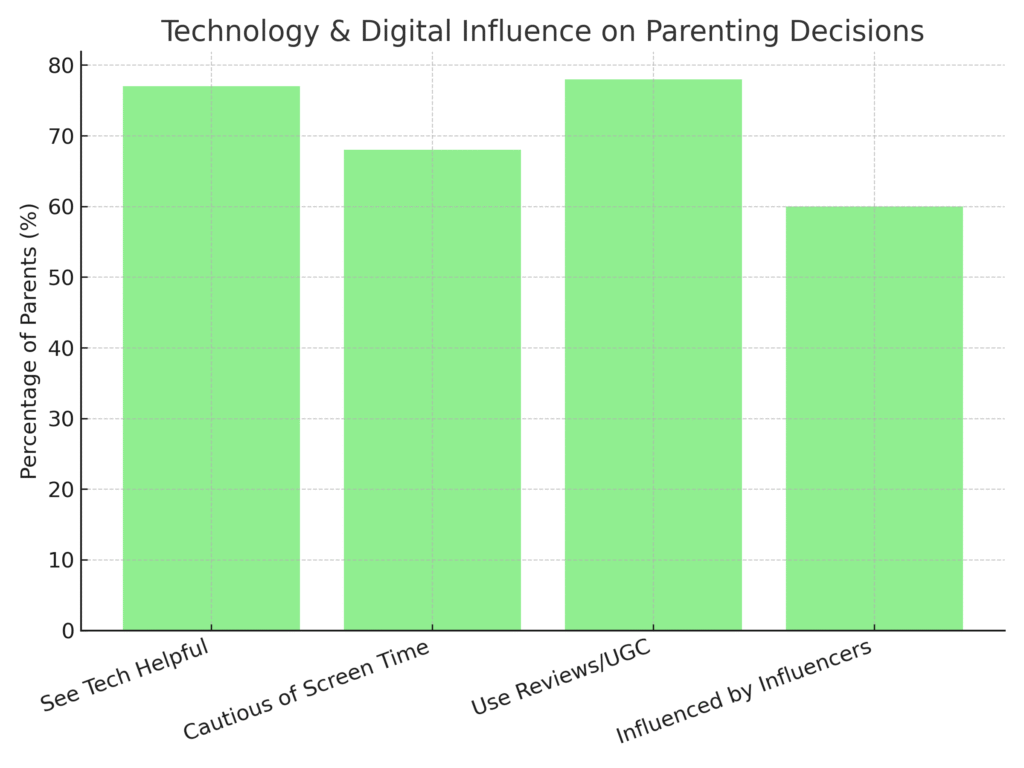
| 12 | 78% of millennial parents research reviews | Mobile is the most common research tool. |
| 13 | Parents shop for values | Sustainability & inclusivity are top brand drivers. |
| 14 | 90% emphasize cultural awareness for kids | Parents want diversity & inclusivity reflected in products. |
| 15 | Parents prioritize experiences over products | Travel, learning & cultural activities are valued more. |
| 16 | 77% of parents see tech as helpful in caregiving | Yet, they also want boundaries around screen time. |
| 17 | Parents respond to authentic marketing | Relatable, transparent campaigns perform better. |
| 18 | Influencers impact parent choices | Trust is critical—credibility makes or breaks influence. |
| 19 | Parents look for value under inflation | Deals, bulk shopping, and discounts are essential. |
| 20 | Parents expect to support kids into adulthood | Financial planning impacts their long-term purchasing. |
Top 20 Parent Marketing Statistics 2025
Parent Marketing Statistics #1: Parents Influence ~85% Of Household Purchases
Parents hold tremendous decision-making power when it comes to household spending. From everyday grocery shopping to larger investments like vacations, parents guide the majority of purchasing choices. Their buying behavior often extends beyond themselves, covering the needs of children and even extended family members. This makes them one of the most influential consumer groups for brands targeting family-oriented markets. Marketers that understand this dynamic can tailor campaigns to emphasize family value and shared benefits.
Parent Marketing Statistics #2: 90% Of Parents Say Kids Influence Purchases
Children are powerful influencers, even when the purchase is not directly for them. Parents often take their children’s preferences into account when choosing products ranging from food to electronics. This influence means marketers must craft messaging that appeals not only to parents but also resonates with children. Campaigns that successfully capture kids’ attention can indirectly drive parental buying decisions. As a result, families represent a dual-target market where kids and parents jointly shape outcomes.
Parent Marketing Statistics #3: Gen Alpha Drives $28B In Direct Spending
Generation Alpha has emerged as a major force in consumer spending. In 2024 alone, their direct spending reached $28 billion, and this influence is projected to grow. Their influence goes beyond pocket money, as they also affect what parents purchase for the household. Marketers need to recognize the growing financial voice of this generation in shaping consumer trends. Capturing their attention early can create long-term brand loyalty.
Parent Marketing Statistics #4: Children Influence 92% Of Toy Purchases
Toys are an obvious category where children dominate influence. However, research shows they also heavily shape decisions around shoes, dining, and family activities. Parents often give children a strong say in these categories, valuing their happiness and engagement. This creates an opportunity for brands to directly target children with creative campaigns. Effective strategies often blend fun with parental approval to encourage purchase.
Parent Marketing Statistics #5: 72% Of Parents Involve Kids Early In Shopping
The shopping process for parents is highly collaborative with their children. Over 70% of parents say they bring their kids into the decision-making process right from the beginning. Children participate in exploring product options, comparing features, and even researching reviews. This shared involvement highlights the importance of kid-friendly packaging and digital experiences. Brands that ignore children in the early stages risk missing critical influence points.
Parent Marketing Statistics #6: Gen Alpha Equals 14% Of U.S. Population In 2025
Generation Alpha represents a significant share of the population, making them an important target market. Around 14% of the U.S. population in 2025 falls into this group. This means that nearly one-third of U.S. households are raising children under 12. The sheer demographic size highlights the need for tailored marketing approaches. Ignoring this group risks overlooking a massive segment of future consumers.
Parent Marketing Statistics #7: Ages 6–10 Spend Mostly On Toys And Snacks
Young children, particularly those aged six to ten, spend much of their own money on toys and snacks. As they grow, their preferences shift toward electronics, apparel, and entertainment. This gradual evolution signals when and how marketers should adjust product positioning. Brands that start early can grow alongside children’s changing interests. Maintaining relevance during these transitional years builds long-lasting brand connections.
Parent Marketing Statistics #8: Scent, Style, And Brand Influence Older Kids
As children age, sensory factors like scent and visual appeal gain importance. For older kids, brand recognition and style become critical in their decision-making process. Social influences, including friends and media, further shape their product preferences. This underscores the importance of branding that resonates across multiple sensory and social channels. Marketers that create memorable brand experiences can capture loyalty early in life.
Parent Marketing Statistics #9: 66% Of Gen Alpha Prefer In-Store Shopping
Despite the rise of digital retail, children in Generation Alpha still prefer in-person shopping experiences. Nearly two-thirds enjoy the tactile and immediate nature of store visits. This suggests physical stores remain vital for reaching younger audiences. Integrating in-store experiences with digital discovery can maximize engagement. Brands should consider experiential marketing to make shopping both fun and memorable.
Parent Marketing Statistics #10: Health And Clean Ingredients Matter To Parents
Health consciousness is a leading factor in parental decision-making. Parents increasingly prioritize clean ingredients, safety, and nutritional value in products for their families. This is especially true for younger children, where safety is paramount. Brands that demonstrate transparency in sourcing and product quality gain trust. Clear labeling and honest communication resonate deeply with parents.
Parent Marketing Statistics #11: 56% Of Parents Made A Product Recommendation
Parents are highly active in sharing their consumer experiences with others. More than half have recommended a product to friends or family within the last month. Word-of-mouth remains a powerful driver of new purchases in parenting communities. Recommendations from other parents carry a high level of trust and credibility. Brands should nurture advocacy programs to encourage organic referrals.
Parent Marketing Statistics #12: 78% Of Millennial Parents Research Reviews
Millennial parents rely heavily on product reviews before making purchases. Nearly 80% research features, benefits, and ratings online before buying. Mobile devices play a central role in this process, with parents often searching on the go. This makes online reputation management essential for brands. A lack of positive reviews can mean missed opportunities in this demographic.
Parent Marketing Statistics #13: Parents Shop For Values
Modern parents want brands that align with their personal values. Sustainability, inclusivity, and ethical practices are top priorities in their shopping decisions. These values go beyond trends—they influence everyday purchases across categories. Brands that communicate authentic commitment to these causes stand out. Parents reward companies that share their vision of a better future.
Parent Marketing Statistics #14: 90% Emphasize Cultural Awareness For Kids
Parents are increasingly focused on raising culturally aware children. Nine out of ten highlight the importance of respecting cultural differences in family life. Many want their children exposed to more diversity than they had growing up. This expectation shapes which brands they support, especially those reflecting inclusivity. Culturally sensitive marketing resonates strongly with this audience.
Parent Marketing Statistics #15: Parents Prioritize Experiences Over Products
Today’s parents are shifting from material purchases toward meaningful experiences. Travel, educational outings, and cultural events are increasingly valued. This reflects a broader focus on creating memories rather than collecting things. Brands that emphasize experiential value find greater engagement among families. This shift highlights the emotional side of modern consumer behavior.
Parent Marketing Statistics #16: 77% Of Parents See Tech As Helpful In Caregiving
Technology is widely embraced as a tool for parenting support. Nearly 80% of parents agree that tech simplifies caregiving tasks. From apps to AI-driven solutions, digital tools are now integral to parenting routines. At the same time, parents remain cautious about overexposure to screens. Marketers must balance promoting innovation with addressing parental concerns.
Parent Marketing Statistics #17: Parents Respond To Authentic Marketing
Parents are drawn to honest and transparent marketing approaches. Overly polished or insincere messaging fails to resonate with this group. Instead, they value real-life depictions and relatable brand stories. Campaigns showcasing authenticity and empathy often achieve higher engagement. Trust and honesty remain non-negotiable qualities for parent-focused marketing.
Parent Marketing Statistics #18: Influencers Impact Parent Choices
Influencer marketing continues to shape how parents discover and choose products. Many parents follow recommendations from influencers they trust. However, skepticism arises when influencers lack credibility or authenticity. Brands must select partners carefully to maintain trust. Authentic influencer collaborations are key to winning parental loyalty.
Parent Marketing Statistics #19: Parents Look For Value Under Inflation
Economic pressures have made parents more value-conscious than ever. Deals, discounts, and bulk options are now top considerations in purchasing. Rising costs force families to budget carefully, making savings a priority. Brands offering affordable options while maintaining quality attract parent loyalty. Highlighting value without sacrificing trust is critical in this climate.
Parent Marketing Statistics #20: Parents Expect To Support Kids Into Adulthood
Parenting today often extends beyond childhood into financial support during adulthood. Many parents anticipate assisting with expenses such as rent and education. This long-term commitment influences how they budget and make purchases. It also affects their openness to brands that understand financial realities. Marketers should consider these extended responsibilities when engaging parents.
Why Parent Marketing Insights Matter
When you look closely at the parent marketing statistics, it’s clear that parents are more than just another demographic—they are a driving force behind household spending and cultural influence. From prioritizing health and values to leaning on reviews and community trust, their choices ripple far beyond their own lives. For brands, listening to parents isn’t optional; it’s essential if you want to build long-term loyalty and meaningful connections. As marketing continues to evolve, the voices of parents will only grow louder in shaping products, services, and brand stories. Keeping their needs at the center of your strategy is what turns a campaign into a lasting relationship.
SOURCES
- https://porchgroupmedia.com/blog/marketing-to-the-generations-kids-influence-purchase-decisions/ (PGM)
- https://blog.nextatlas.com/article/modern-parenting-trends-family-life-behavior (Nextatlas Blog)
- https://www.emarketer.com/topics/topic/parents (EMARKETER)
- https://spiegel.medill.northwestern.edu/what-moms-and-shoppers-want-in-2025/ (Medill Spiegel Research Center)
- https://theinsightsfamily.com/news/the-insights-family-launches-future-forecast-2025-its-flagship-annual-report-predicting-key-trends-s (The Insights Family)
- https://kidsnanny.ca/blog/top-5-parenting-trends-2025/ (KidsNanny)
- https://www.theshelf.com/event-holiday-marketing/mothers-day-spending-and-trends/ (The Shelf)
- https://97thfloor.com/personas/marketing-to-parents/ (97th Floor)
- https://thedesirecompany.com/infographics/how-moms-lead-shopping-behavior (The Desire Company)
- https://www.typeface.ai/blog/content-marketing-statistics (Typeface)
- https://northbeam.io/blog/2025-marketing-trends-to-watch-out-for-part-1 (Northbeam)
- https://yespo.io/blog/back-to-school-marketing-ideas (yespo)
- https://www.businessinsider.com/gen-alpha-shoppers-buying-habits-samyang-ramen-owala-bottles-2025-2 (Business Insider)
- https://www.coherentmarketinsights.com/industry-reports/global-parenting-apps-market (Coherent Market Insights)
- https://www.businessresearchinsights.com/market-reports/online-parenting-education-market-119670 (Business Research Insights)
- https://www.voguebusiness.com/consumers/image-conscious-and-extravagant-chinas-new-gen-parents (Vogue Business)
- https://www.nypost.com/2025/03/05/lifestyle/parents-are-ditching-perfect-social-media-accounts-survey/ (New York Post)