




18 Sep TOP 20 SENIOR CITIZEN MARKETING STATISTICS 2025
As the world’s population continues to age, businesses are realizing the importance of understanding senior consumer behavior in greater depth. This blog on senior citizen marketing statistics explores not only the buying habits of older adults but also the platforms, tools, and messages that resonate most with them. Seniors today are far more digitally connected, active, and brand-conscious than stereotypes suggest, making them an influential demographic for marketers. As a marketing agency in New York, we’ve witnessed firsthand how campaigns tailored to seniors can drive meaningful engagement and long-term loyalty. By diving into the numbers, we’ll uncover the insights that brands need to communicate authentically and effectively with this powerful segment.
Top 20 Senior Citizen Marketing Statistics 2025 (Editor’s Choice)
🎯 Top 20 Senior Citizen Marketing Statistics
Essential insights for targeting the fastest-growing consumer segment (2024-2025)
| Rank | Category | Key Statistic | Description |
|---|---|---|---|
1 |
Digital Adoption | 90% | Adults ages 65+ are online, showing massive digital engagement |
2 |
Smartphone Usage | 91% | Older adults now own smartphones (AARP 2025 report) |
3 |
Tech Devices | 7 | Average number of tech devices owned by online seniors |
4 |
Senior Smartphone | 80% | Americans over 60 own smartphones as of 2022 |
5 |
Social Media Time | 50% | Nearly half of seniors spend over an hour daily on social media |
6 |
Facebook Usage | 59-72% | Adults 50+ use Facebook, varying by data source |
7 |
Instagram Growth | 33% | Instagram usage among 50+ showing significant year-over-year growth |
8 |
Multi-Platform | 20% | Older adults use WhatsApp, Pinterest, and LinkedIn |
9 |
Market Size | 50M+ | Senior citizens in the US alone represent massive market |
10 |
Spending Power | $3.2T | Total spending power of senior demographic |
11 |
Consumer Share | 51% | Consumers 50+ responsible for majority of all consumer spending |
12 |
Wealth Control | $70T | Baby boomers control over 50% of US wealth |
13 |
Net Worth | 5x | Senior citizens have 5x the net worth of average American |
14 |
Future Spending | $15T | Projected senior spending by 2030, up from $8.7T in 2020 |
15 |
Growth Rate | 3.2% | Annual growth rate of senior population vs 0.8% overall |
16 |
Future Population | 80M | Expected US senior population by 2040 |
17 |
Consumer Class | 66% | Increase in senior consumer class representation by 2030 |
18 |
Social Security | 20% | Retirees 65+ who rely solely on Social Security income |
19 |
Retirement Savings | $120K | Average retirement savings outside Social Security (69% above national average) |
20 |
Financial Stress | 53% | Baby boomers and seniors living paycheck to paycheck (lowest among age groups) |
Top 20 Senior Citizen Marketing Statistics 2025
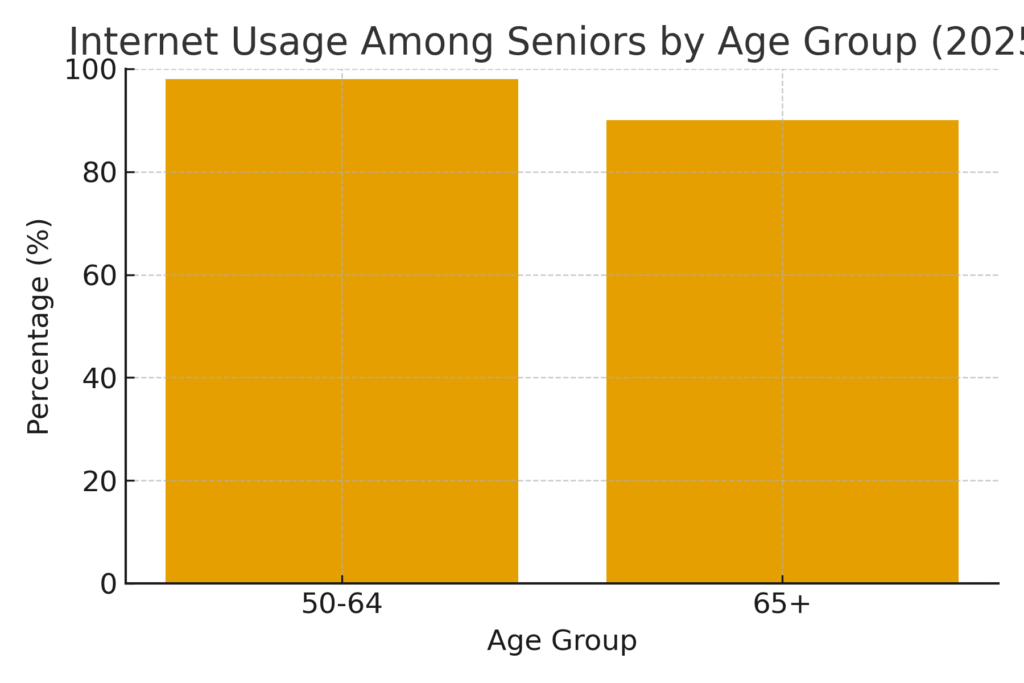
Senior Citizen Marketing Statistics #1: 90% Of Adults 65+ Are Online
Nearly nine in ten adults aged 65 and older are now active internet users. This challenges the stereotype that seniors are disconnected from technology. Their online activity ranges from browsing news to connecting with family on video calls. For marketers, this means digital platforms are a powerful way to reach older audiences. Ignoring their presence online would be a missed opportunity in today’s digital-first world.
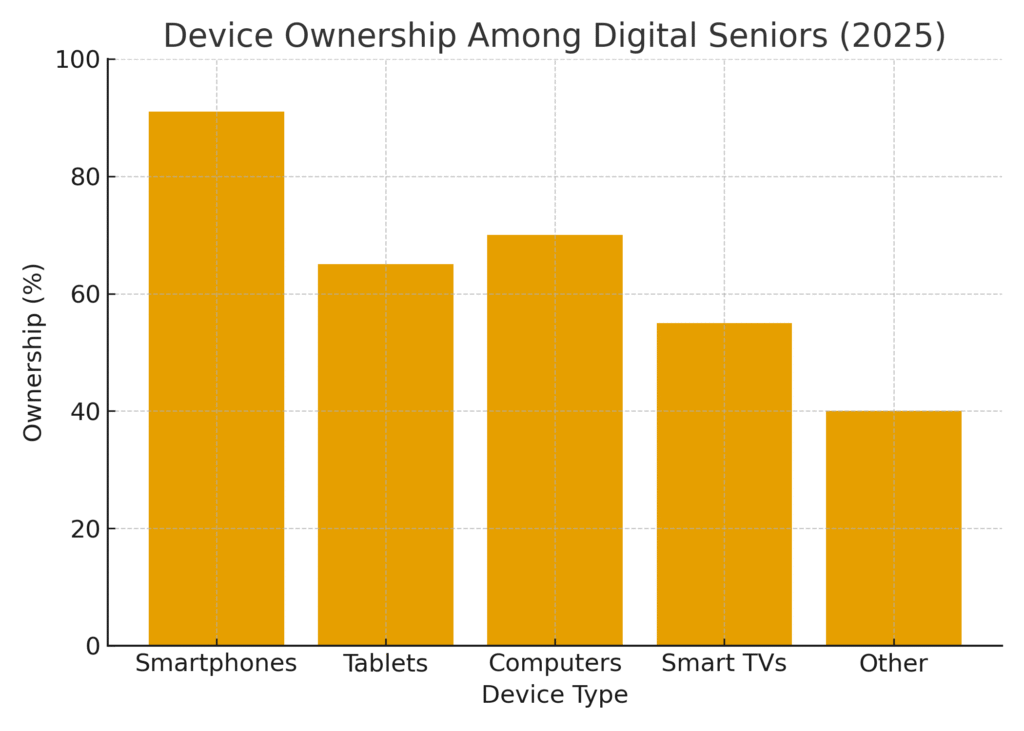
Senior Citizen Marketing Statistics #2: 91% Of Adults 50+ Own Smartphones
Smartphone adoption among older adults has reached impressive levels, with more than nine in ten owning a device. This shows seniors are comfortable using mobile technology for everyday needs. From mobile banking to online shopping, their phones serve as essential tools. Marketers can use mobile-friendly strategies to better connect with this demographic. Accessibility and user-friendly design are key for winning senior engagement on mobile platforms.
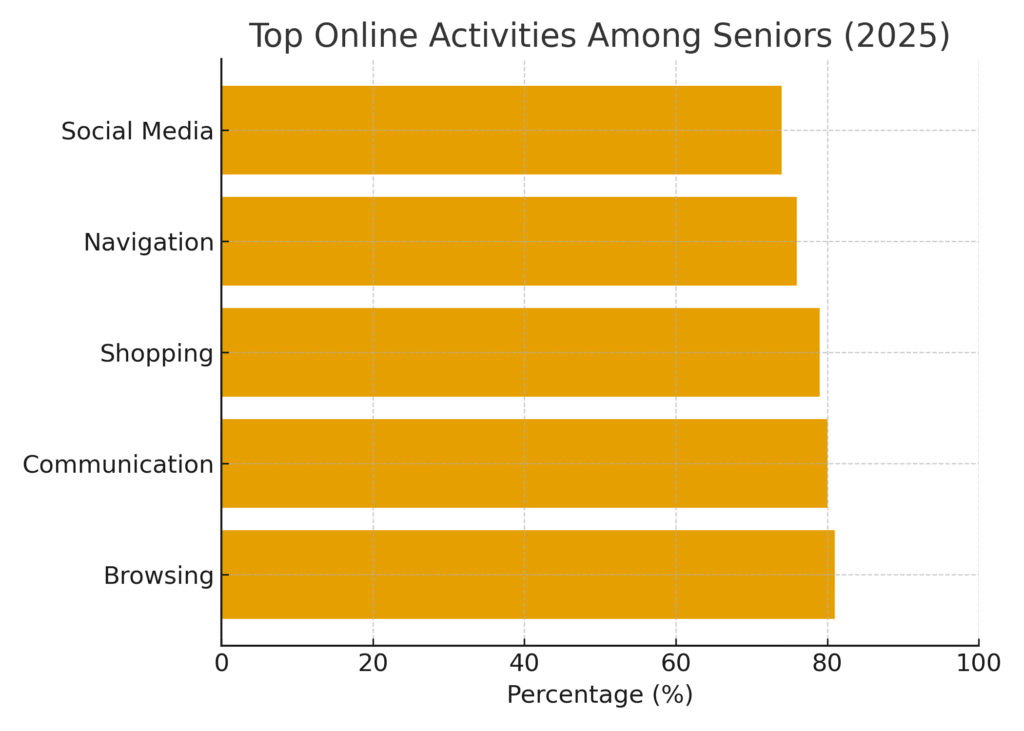
Senior Citizen Marketing Statistics #3: 81% Of Seniors Use The Internet For Browsing
A large portion of older adults regularly use the internet simply to browse and stay informed. This includes checking health information, news, and lifestyle updates. For brands, this habit represents a chance to share trusted, relevant content. Educational marketing and blog-based strategies resonate strongly with this audience. Seniors are looking for clear, credible information they can rely on when browsing.
Senior Citizen Marketing Statistics #4: 80% Of Seniors Use Online Communication Tools
Email, instant messaging, and video calls are a core part of senior life online. About four in five seniors actively use digital communication platforms. For marketers, this reinforces the importance of maintaining clear, easy-to-read emails and chat support options. Personalized communication can build lasting relationships with older consumers. It’s a reminder that seniors expect brands to engage with them on familiar platforms.
Senior Citizen Marketing Statistics #5: 79% Of Seniors Shop Online
Online shopping is no longer just for younger consumers—nearly eight in ten seniors shop online. Their purchases include groceries, household items, and even luxury products. This creates a huge opportunity for e-commerce businesses to design age-friendly websites. Simpler navigation, larger fonts, and secure checkout experiences are crucial. Seniors value convenience but also need reassurance about safety when shopping online.
Senior Citizen Marketing Statistics #6: 76% Of Seniors Use Navigation And Maps
Three out of four seniors use online navigation and maps on a regular basis. This reflects their comfort with location-based technology. For marketers, this opens possibilities for local advertising and service promotions. Senior consumers actively look for nearby healthcare providers, restaurants, and stores. Optimizing local SEO can make a big difference in reaching this audience.
Senior Citizen Marketing Statistics #7: 74% Of Seniors Are On Social Media
Almost three-quarters of seniors actively use social media platforms. Facebook and YouTube lead as their most popular choices. Social media campaigns designed with clarity and authenticity resonate strongly with this age group. Seniors also use these platforms to stay socially connected and informed. For brands, social media provides a direct and engaging channel to build trust.
Senior Citizen Marketing Statistics #8: 88% Of Seniors Use YouTube Weekly
Video content is increasingly popular among older adults, with nearly nine in ten seniors watching YouTube weekly. Educational and entertainment content both play a role in this trend. Marketers can use video to explain products, share tutorials, and provide storytelling experiences. Seniors appreciate clarity and simplicity in video messaging. This statistic shows how powerful video marketing is for the senior demographic.
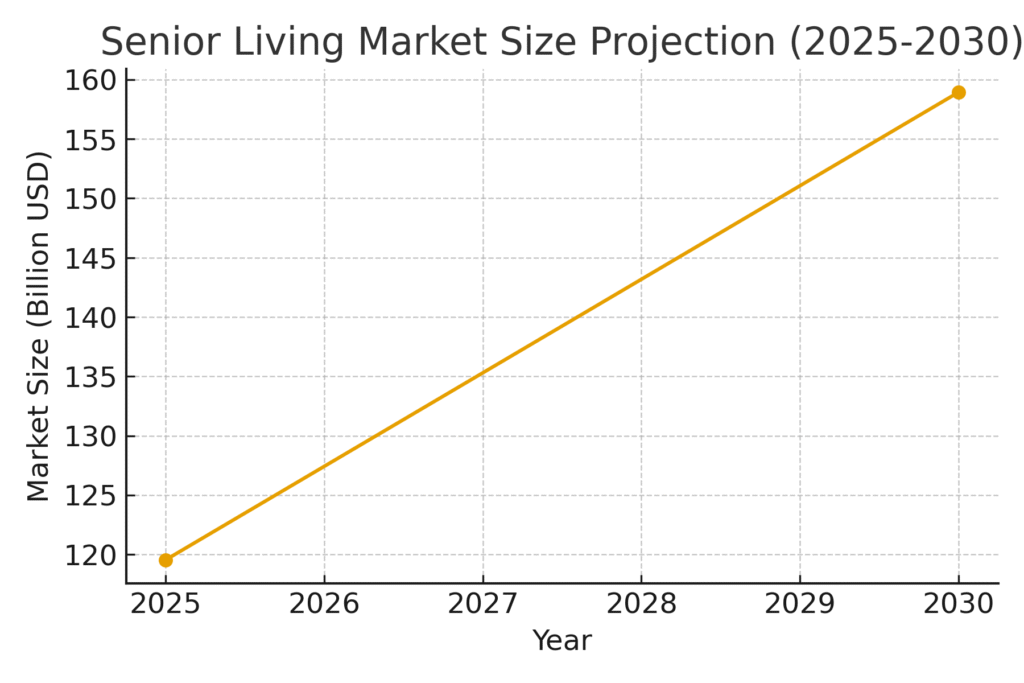
Senior Citizen Marketing Statistics #9: Senior Living Market Valued At $119.55 Billion In 2025
The U.S. senior living market is worth more than $119 billion in 2025. This industry is projected to grow steadily over the next decade. With a CAGR of nearly 6%, it shows how strong demand is for senior-focused services. Brands serving this space must align with health, wellness, and lifestyle needs. Investing in this market means tapping into a demographic that continues to expand rapidly.
Senior Citizen Marketing Statistics #10: 18% Of The U.S. Population Is 65+
Older adults now make up nearly one-fifth of the U.S. population. This is a massive and growing market for businesses of all kinds. The percentage is projected to rise further in the coming decades. Companies that adapt their marketing to include seniors will stay ahead of competitors. Ignoring such a large group risks losing long-term consumer trust and loyalty.
Senior Citizen Marketing Statistics #11: 70% Of Senior Living Residents Are Female
Women make up the majority of residents in senior living facilities. This reflects broader demographic trends in life expectancy. For marketers, it highlights the importance of creating campaigns that appeal to older women. Messaging focused on health, lifestyle, and community resonates strongly. Gender-sensitive approaches in senior marketing can make campaigns more effective.
Senior Citizen Marketing Statistics #12: 90% Of Seniors Prefer Aging At Home
Most seniors prefer to remain in their own homes rather than move into institutions. This trend emphasizes the growing demand for home care services and in-home products. Marketers can tailor offerings around independence, comfort, and safety. Home technology and health-related innovations particularly appeal to this group. Respecting seniors’ desire for independence helps brands build deeper connections.
Senior Citizen Marketing Statistics #13: U.S. Home Care Industry Worth $107 Billion In 2025
The home care sector is now valued at over $100 billion and continues to grow. This expansion is fueled by aging populations and increasing demand for personalized care. Marketers in healthcare and home services must highlight quality, trust, and reliability. Seniors and their families want reassurance that providers are dependable. This growth signals major opportunities in health-related marketing.
Senior Citizen Marketing Statistics #14: Only 1.4% Of Seniors Live In Assisted Living Facilities
Despite the size of the market, only a small percentage of seniors live in assisted living. Most continue to live independently or with family. For marketers, this means messaging must extend beyond institutional care. Products and services that support independence are in higher demand. Understanding this reality is critical to crafting effective campaigns.
Senior Citizen Marketing Statistics #15: 75% Of Seniors Use Search Engines For Research
Three-quarters of older adults begin their senior living search with a search engine. This makes SEO and digital visibility essential for marketers. Seniors and their families want trusted, easy-to-find information. Ranking high in search results directly impacts conversions in this industry. Clear, transparent content wins trust in this competitive space.
Senior Citizen Marketing Statistics #16: Average Senior Living Lead Costs $431
The average cost per lead in senior living marketing is over $400. While expensive, the conversion rates are relatively strong. Marketers must maximize ROI by targeting the right audiences. Personalization and relationship-building are critical to justifying high CPLs. Brands that invest in quality leads often see long-term client loyalty.
Senior Citizen Marketing Statistics #17: 25 Touches Needed To Convert Senior Living Leads
On average, it takes 25 interactions to convert a senior living lead. This demonstrates the importance of persistence in senior marketing. Multiple touchpoints across channels help build trust and familiarity. Seniors and their families often take time before making big decisions. Patience and consistent communication are essential for success in this field.
Senior Citizen Marketing Statistics #18: Seniors Own An Average Of Five Tech Devices
Digital seniors typically own multiple devices, averaging around five. These include smartphones, tablets, computers, and smart TVs. This shows they are far more tech-savvy than many assume. Marketers should create campaigns that work seamlessly across platforms. Seniors are embracing technology as part of their daily lives.
Senior Citizen Marketing Statistics #19: Seniors Hold The Largest Share Of Disposable Income
Older adults control a significant portion of household wealth and spending power. This makes them one of the most valuable demographics for marketers. Their spending often focuses on health, lifestyle, and leisure. Brands that recognize and respect this power can build deep loyalty. The “silver economy” is a force shaping markets worldwide.
Senior Citizen Marketing Statistics #20: Seniors Drive Half Of Healthcare Expenditures
Seniors account for about 50% of U.S. healthcare spending. This highlights the central role they play in the wellness economy. Marketing health products and services effectively to seniors is vital. Transparency, trust, and clarity should lead in all healthcare messaging. Companies that meet seniors’ needs can expect long-lasting success.
Why Senior Citizen Marketing Matters More Than Ever
Looking at these senior citizen marketing statistics, it’s clear that older adults are not just participants in today’s market—they are leaders in spending power, digital engagement, and brand loyalty. For businesses willing to listen, adapt, and meet seniors where they are, the opportunities are endless. From embracing accessibility in online shopping to addressing real wellness needs, brands that focus on seniors with respect and authenticity will see returns far beyond conversions. The data shows us one truth: seniors want to be included, heard, and valued. And when marketers approach them with genuine care, the impact lasts for years to come.
SOURCES
- https://creatingresults.com/blog/2025/03/13/what-do-seniors-do-online-2025-data-for-marketers/ (Creating Results)
- https://creatingresults.com/blog/2025/03/26/what-social-media-do-seniors-use-most-2025/ (Creating Results)
- https://www.invoca.com/blog/senior-living-marketing-stats (Invoca)
- https://www.sheerid.com/business/blog/marketing-to-seniors/ (SheerID)
- https://www.outerboxdesign.com/articles/digital-marketing/senior-citizen-ecommerce-habits/ (OuterBox)
- https://www.medialogic.com/blog/healthcare-marketing/2025-media-preferences-of-older-adults/ (Media Logic)
- https://www.cardinaldigitalmarketing.com/healthcare-resources/blog/senior-care-marketing-trends-2025/
- https://www.aarp.org/pri/topics/technology/internet-media-devices/2025-technology-trends-older-adults/ (AARP)
- https://giantpartners.com/marketing-to-seniors/ (Data Driven Marketing Agency)
- https://sqmagazine.co.uk/social-media-screen-time-statistics/ (SQ Magazine)
- https://distinctive-liv.com/senior-living-marketing-trends-in-2025/ (Distinctive Living |)
- https://bradleywindrow.com/senior-citizens-statistics (Bradley Windrow)
- https://arxiv.org/abs/2403.09208 (arXiv)