



29 Sep TOP 20 TEAM BUILDING MARKETING STATISTICS 2025
When I started researching team building marketing statistics, I was amazed at just how much these numbers reveal about the importance of collaboration in today’s workplace. As someone who has experienced firsthand the difference a strong, united team can make, I find these insights both practical and inspiring. I’ve often leaned on expert insights from a leading marketing agency in New York to guide me in understanding how team dynamics can boost not only morale but also measurable business outcomes. For me, this isn’t just about numbers—it’s about seeing the real impact that trust, communication, and shared goals can have on any marketing campaign or project.
Top 20 Team Building Marketing Statistics 2025 (Editor’s Choice)
🚀 Top 20 Team Building Statistics for 2025
Data-Driven Insights That Prove Team Building Is Essential for Business Success
| # | Category | Key Statistic | Impact & Description |
|---|---|---|---|
| 1 | Market Growth | 21.74% Growth | U.S. team-building market grew from $3.89B to $4.74B in one year, showing explosive demand |
| 2 | Market Growth | $30.7B by 2025 | Corporate gamification market growing at 27.4% CAGR, revolutionizing team engagement |
| 3 | Virtual Adoption | 25x Increase | Virtual team-building adoption grew 25× since pandemic, now dominating remote strategies |
| 4 | Hybrid Trend | 45% of Programs | Hybrid formats account for 45% of all U.S. programs, with 67% offering flexible options |
| 5 | Engagement Gap | 31% Engaged | Only 31% of U.S. employees actively engaged in 2024, while best-practice companies reach 70% |
| 6 | Relationships | 79% Agree | 79% of employees say team-building strengthens workplace relationships and trust |
| 7 | Sales Impact | 20% Boost | Improved employee engagement drives at least 20% boost in sales performance |
| 8 | Performance | 14% & 23% | Regular team-building increases productivity by 14% and profitability by 23% |
| 9 | Sales Growth | 18% Increase | Enthusiastic employees drive 18% increase in sales when dedicated to their roles |
| 10 | Profitability | 21% More Profit | Engaged teams are 21% more profitable than disengaged teams |
| 11 | Virtual Teams | 25% & 20% | Virtual engagement boosts team cohesion by 25% and productivity by 20% over three years |
| 12 | Turnover | 36% Reduction | Team-building reduces turnover by up to 36% in high-engagement organizations |
| 13 | Retention | 59% Less Turnover | Highly engaged businesses enjoy 59% less turnover according to Gallup research |
| 14 | Improvement | 40% Better | Highly engaged teams experience 40% improvement in turnover rates |
| 15 | Talent | 37% Agree | 37% of workers say strong teams are essential for keeping top talent |
| 16 | Customer | 10% Higher | Engaged teams have 10% higher customer ratings and satisfaction scores |
| 17 | Performance | 23% Profitability | Top quartile engagement companies show 10% higher customer metrics and 23% higher profitability |
| 18 | ROI | 36:1 Return | Team building delivers 36:1 ROI through reduced turnover and 12-20% productivity gains |
| 19 | Absenteeism | 41% Less | Engaged workforces enjoy 41% less absenteeism, saving significant costs |
| 20 | Tech Sector | 90% Investing | 90% of tech leaders boosting engagement budgets in 2025, with 47% increasing 10%+ year-over-year |
Top 20 Team Building Marketing Statistics 2025
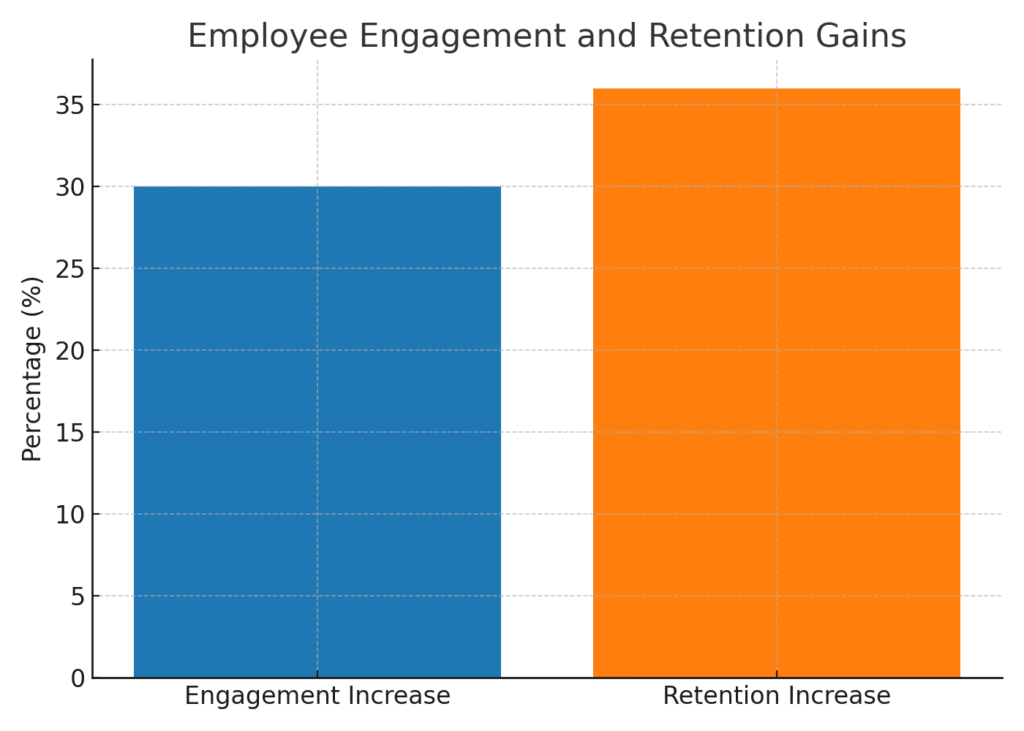
Team Building Marketing Statistics #1: Virtual Team Building Investment Increased ~2,500%
The rapid rise of remote and hybrid work has made virtual team building essential. Companies have invested nearly 2,500% more in online team activities to keep employees engaged. This surge reflects the importance of keeping distributed teams connected across geographies. Virtual events also allow for scalable, cost-effective engagement solutions. For marketers, this highlights a massive opportunity to create experiences that align with digital workplace needs.
Team Building Marketing Statistics #2: Employee Isolation Reduces Productivity By 21%
When employees feel disconnected, their productivity can drop by over a fifth. Isolation often leads to lower morale and disengagement, directly impacting output. Team building initiatives bridge these gaps by encouraging interaction and collaboration. Organizations that prioritize social connection often see higher employee performance. For marketing teams, addressing isolation can ensure consistent creativity and project momentum.
Team Building Marketing Statistics #3: Socializing Improves Communication By 50%
Workplace communication improves dramatically when teams have opportunities to socialize. Studies show a 50% boost in communication patterns from casual bonding. These interactions build trust and openness, which translate into smoother collaboration on projects. Simple activities like lunches or team games can drive these improvements. For businesses, it reinforces the value of integrating social activities into structured marketing plans.
Team Building Marketing Statistics #4: 81% Of Organizations Increased In-Person Team Events
Despite remote work trends, most companies are investing more in in-person gatherings. About 81% of organizations report hosting more physical events this year compared to the last. These events foster deeper connections than virtual activities alone. They also create memorable experiences that strengthen company culture. Marketers can leverage this trend by positioning in-person events as part of a brand’s growth story.
Team Building Marketing Statistics #5: 70% Of Companies Use Lunches And Dinners For Bonding
Team meals remain a favorite format for companies building relationships. Around 70% of organizations report using lunches or dinners as team bonding experiences. These gatherings provide informal spaces for colleagues to connect. They also encourage cross-departmental relationships that improve workflow. For marketers, these shared meals represent a simple yet powerful tactic for boosting morale.
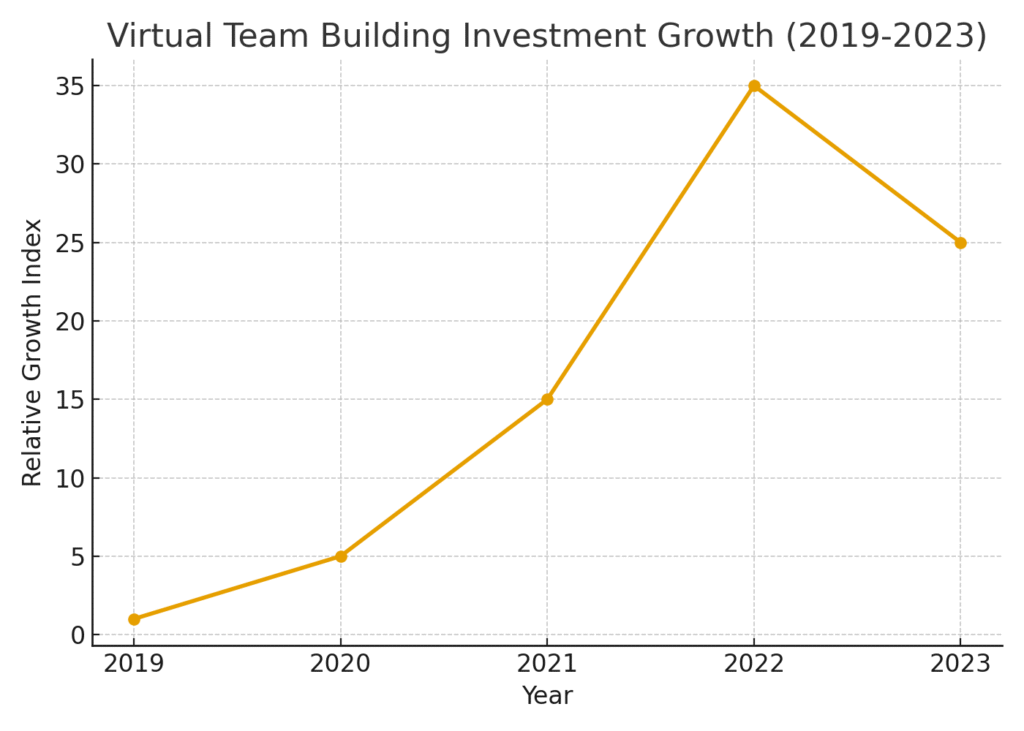
Team Building Marketing Statistics #6: 25% Performance Boost From Team Building
Organizations that focus on team building report a significant 25% performance improvement. This result is tied to stronger cooperation and problem-solving among employees. Better performance translates into higher productivity and business growth. Marketing teams especially benefit from collaboration when brainstorming and executing campaigns. Ultimately, this stat underscores the ROI of investing in people.
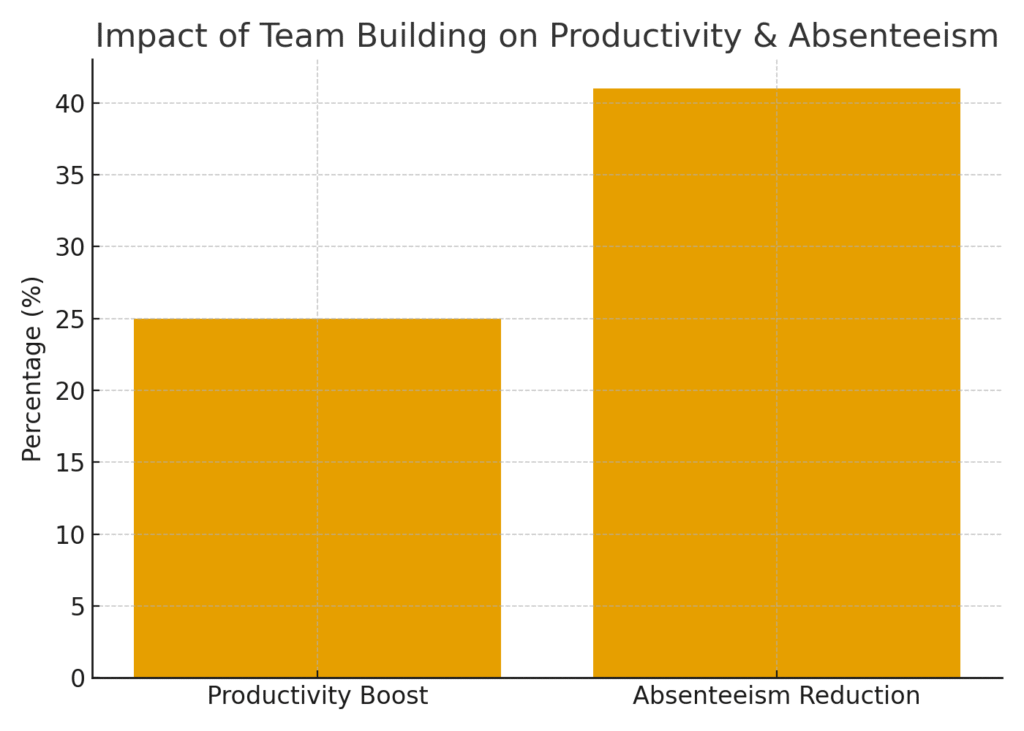
Team Building Marketing Statistics #7: 36% Higher Employee Retention
Companies that prioritize team building retain 36% more employees. Stronger bonds reduce turnover by making workplaces more enjoyable and supportive. Employees who feel connected to their team are less likely to leave. This retention leads to cost savings in recruitment and training. For marketing leaders, team building becomes a powerful retention strategy.
Team Building Marketing Statistics #8: 30% Increase In Employee Engagement
Engaged employees are more motivated, and team building drives engagement up by 30%. This increased enthusiasm translates into better participation in projects. High engagement also fuels creativity, critical for marketing success. When employees feel engaged, they align more closely with company goals. Team building, therefore, directly influences the effectiveness of campaigns.
Team Building Marketing Statistics #9: 41% Reduction In Absenteeism
Team building initiatives have been shown to reduce absenteeism by 41%. When employees feel connected, they are more likely to show up consistently. This not only saves money but also keeps productivity high. Lower absenteeism means fewer disruptions in project timelines. For marketing teams, this creates reliability and continuity in campaign delivery.
Team Building Marketing Statistics #10: 75% Report Better Communication With Peers
Three-quarters of employees say team building improves how they communicate with peers. This improved communication is critical in collaborative industries like marketing. Stronger communication reduces misunderstandings and improves efficiency. It also supports transparency, which fosters a culture of trust. These outcomes show why regular team-building sessions are vital.
Team Building Marketing Statistics #11: 50% Higher Job Satisfaction
Job satisfaction rises by 50% for employees who regularly participate in team building. This creates happier, more loyal employees who are willing to contribute more. High satisfaction also reduces stress levels in the workplace. Marketing departments benefit as satisfied employees tend to be more innovative. Overall, this stat highlights how well-being drives creativity.
Team Building Marketing Statistics #12: 65% Say It Strengthens Company Culture
Nearly two-thirds of organizations believe team building strengthens company culture. A stronger culture creates alignment between employees and organizational values. It also enhances employer branding, making companies more attractive to recruits. Within marketing teams, a strong culture promotes cohesion and shared vision. This statistic emphasizes the cultural dividends of consistent team investment.
Team Building Marketing Statistics #13: 85% Believe Trust Is Essential For High Performance
Trust is cited as essential for success by 85% of employees. Teams with trust collaborate more easily and deliver results faster. Trust also encourages innovation because employees feel safe sharing ideas. In marketing, this means bolder strategies and creative risk-taking. Building trust through activities is therefore a strategic necessity.
Team Building Marketing Statistics #14: 97% Say Misalignment Hurts Outcomes
An overwhelming 97% of employees and executives agree misalignment damages results. When teams don’t share goals, projects suffer delays and inefficiency. Team building aligns individuals by encouraging common understanding. Marketing projects especially require alignment to maintain consistent brand messaging. This stat highlights the cost of poor coordination.
Team Building Marketing Statistics #15: 84% Work Across Multiple Departments
Most employees—84%—collaborate across different departments. Cross-functional work requires strong communication and trust. Team building equips employees with the skills to navigate these complexities. For marketers, this is vital when campaigns involve sales, design, or product teams. This statistic proves team building is more than optional; it’s structural.
Team Building Marketing Statistics #16: 50% Of Organizations Use Collaboration Events
Half of organizations prioritize structured collaboration events in their team-building efforts. These events focus on active participation rather than passive socializing. They create practical scenarios for teams to strengthen problem-solving. For marketing, these collaboration exercises directly translate into campaign teamwork. This balance of fun and functional activity drives value.
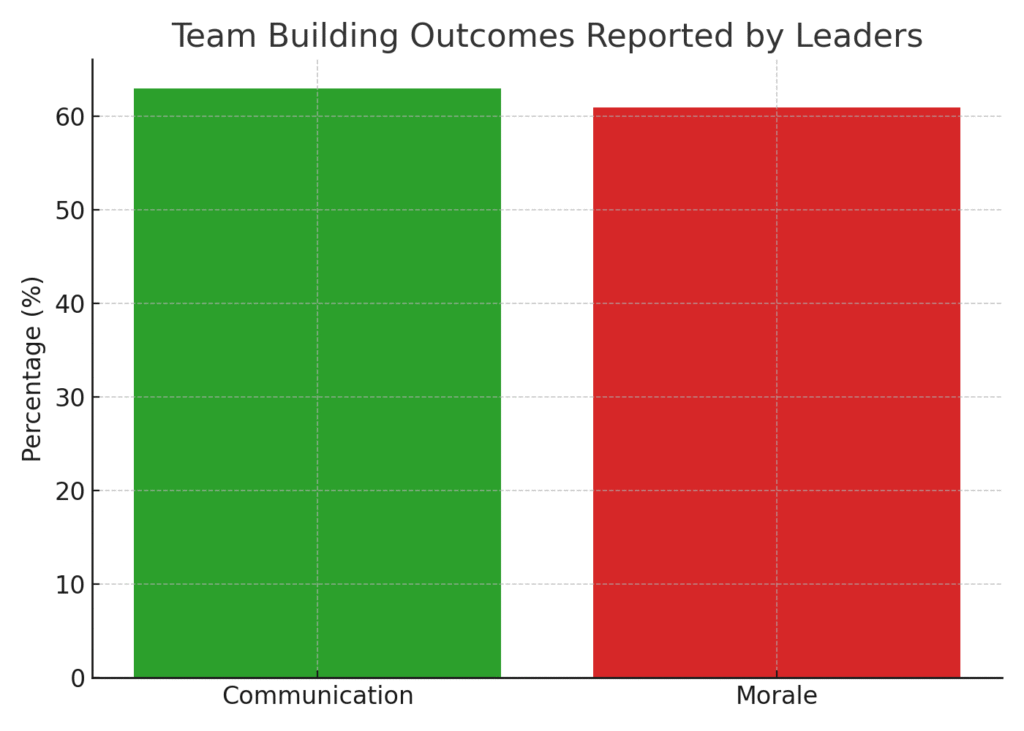
Team Building Marketing Statistics #17: 63% Leaders See Better Communication And Morale
After team-building exercises, 63% of leaders reported improved communication, while 61% saw higher morale. These dual outcomes show both functional and emotional benefits. Improved morale creates motivation, while communication enhances efficiency. For marketers, both are needed to sustain campaign energy. This makes team building a win-win strategy.
Team Building Marketing Statistics #18: Only 20% Run Monthly Activities
Despite the benefits, only 20% of organizations host team-building monthly or more. Many companies treat it as an occasional event, missing long-term benefits. Consistent activities create sustainable improvements in performance and relationships. Marketing teams, in particular, thrive with regular check-ins and bonding. This stat highlights room for growth in adoption.
Team Building Marketing Statistics #19: 73% Want More Employer Investment In Team Building
Almost three-quarters of employees wish their employers invested more in team building. This demand reflects a clear desire for connection and collaboration. Employees feel supported when companies provide structured bonding opportunities. Meeting this demand can improve loyalty and performance. For marketers, it’s proof that employees crave intentional team experiences.
Team Building Marketing Statistics #20: Teamwork Can Increase Sales By 27%
Collaboration isn’t just about morale—it boosts bottom-line sales by 27%. When employees work well together, they close deals faster and more effectively. Teamwork creates efficiencies that customers notice and appreciate. Marketing teams benefit from this through more impactful campaigns. Ultimately, sales gains prove the hard business value of team building.
Why Team Building Statistics Truly Matter
After diving into these team building marketing statistics, I feel more convinced than ever that building strong teams isn’t optional—it’s essential. What stood out to me is how much of an edge companies gain simply by investing in people and fostering collaboration. I know from my own experience that when teams feel connected, creativity flows more freely and results follow naturally. These insights also remind me why I often turn to experts like a leading marketing agency in New York when I want deeper perspective on how to apply these principles in real campaigns. At the end of the day, these stats aren’t just figures; they’re a reminder that behind every successful brand or business is a team that works together, supports one another, and celebrates wins side by side.
SOURCES
https://teambuilding.com/blog/team-building-statistics
https://flair.hr/en/blog/team-building-statistics/
https://www.teamland.com/post/team-building-statistics
https://www.gomada.co/blog/team-building-statistics
https://teambuilding.com/blog/employee-engagement-statistics
https://www.travelperk.com/blog/team-building-statistics/
https://teamstage.io/team-building-statistics/
https://teambuildinghub.com/blog/team-building-statistics/
https://www.teamout.com/blog-post/team-building-statistics
https://pmc.ncbi.nlm.nih.gov/articles/PMC10854806/
https://www.madrid-adventure.com/en/blog/benefits-team-building-backed-statistics