




21 Sep TOP 20 WHITE LABEL MARKETING STATISTICS 2025
When it comes to helping agencies grow smarter and faster, few strategies have proven as effective as white labeling. These white label marketing statistics highlight just how powerful it can be for agencies to expand their services, strengthen client retention, and scale without stretching themselves too thin. From SEO to PPC to content creation, white label partnerships give businesses the ability to offer more while focusing on their core strengths. As someone who’s worked with brands striving to stay competitive, I’ve seen firsthand how the right partnership makes all the difference. And if you’re looking for a trusted marketing agency in New York, these insights will show why so many agencies are leaning into white labeling in 2025.
Top 20 White Label Marketing Statistics 2025 (Editor’s Choice)
Top 20 White Label Marketing Statistics 2025
| # | Statistic | Detail |
|---|---|---|
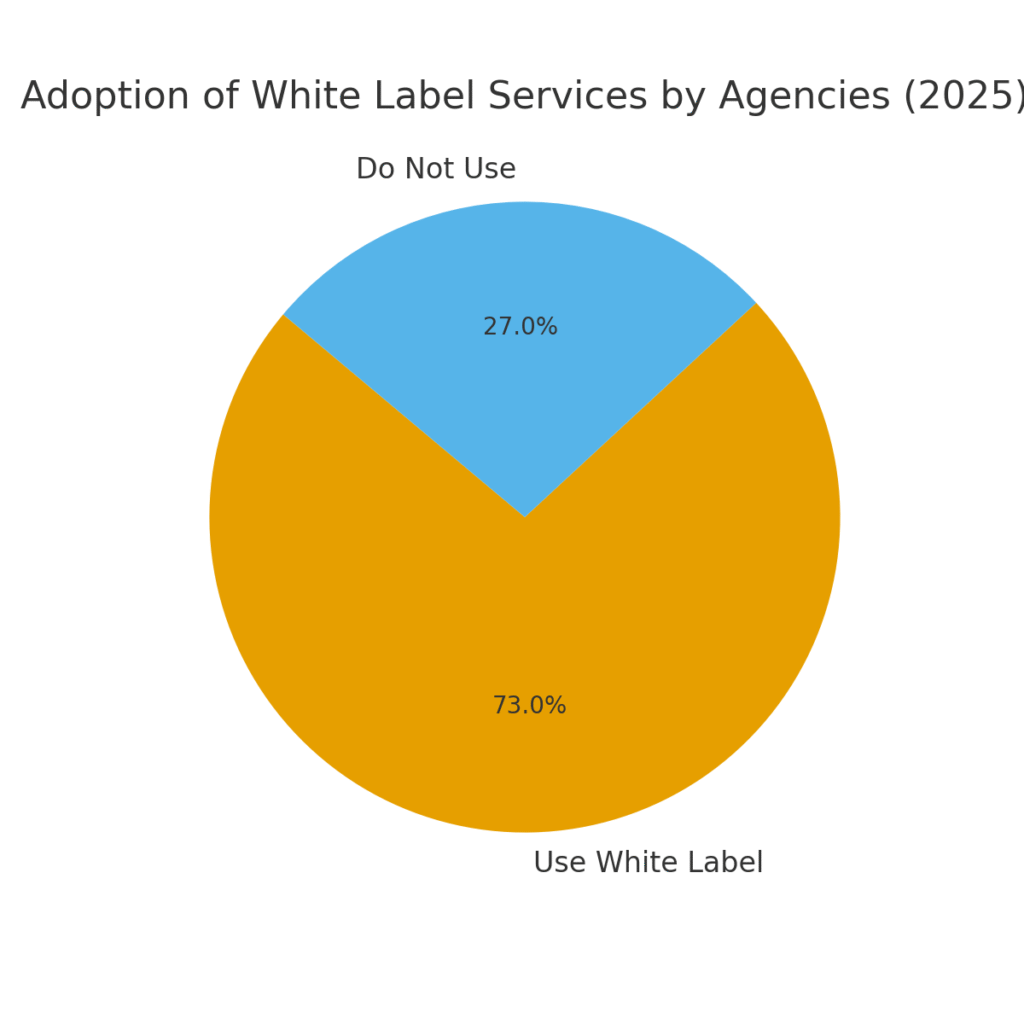
| 1 | 73% of agencies use white label services | Most agencies have adopted white label to expand offerings efficiently. |
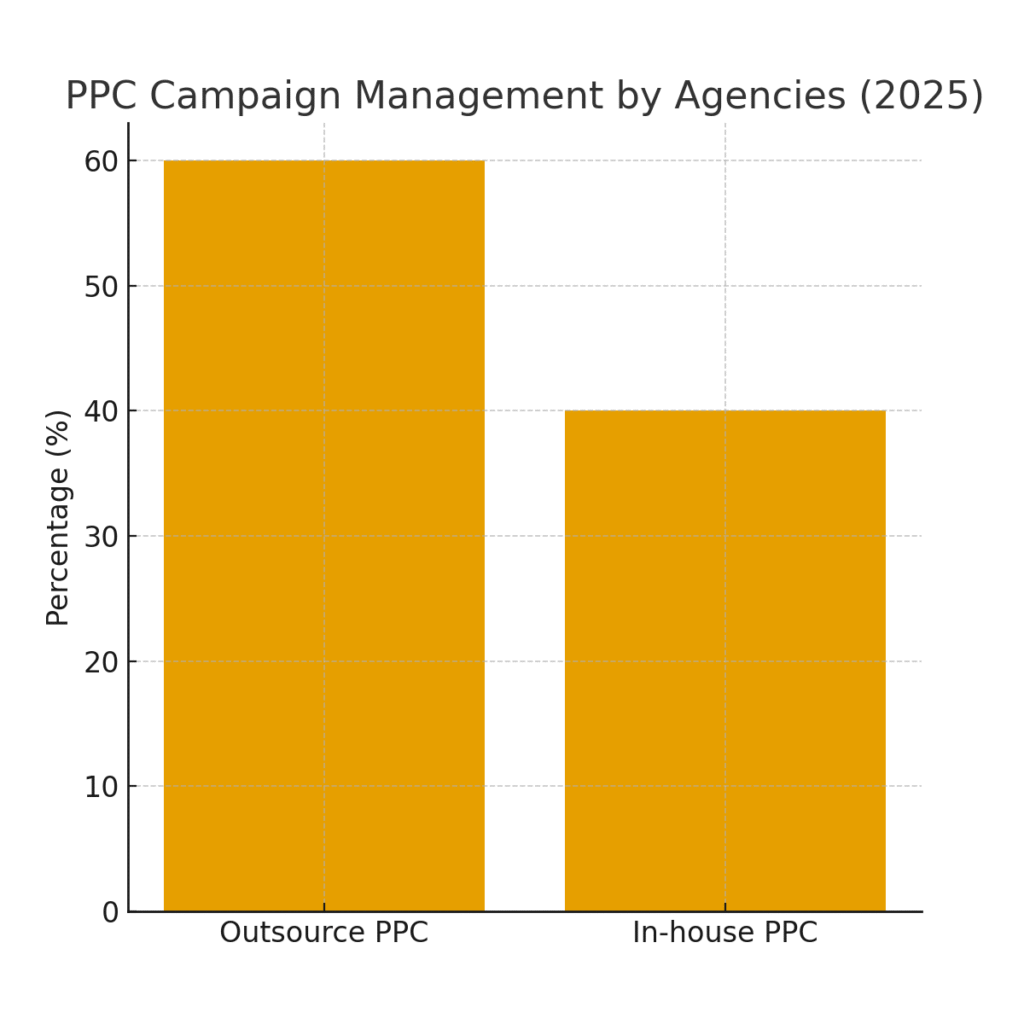
| 2 | 60% outsource PPC campaigns | Paid ad campaigns are widely outsourced to specialists for better ROI. |
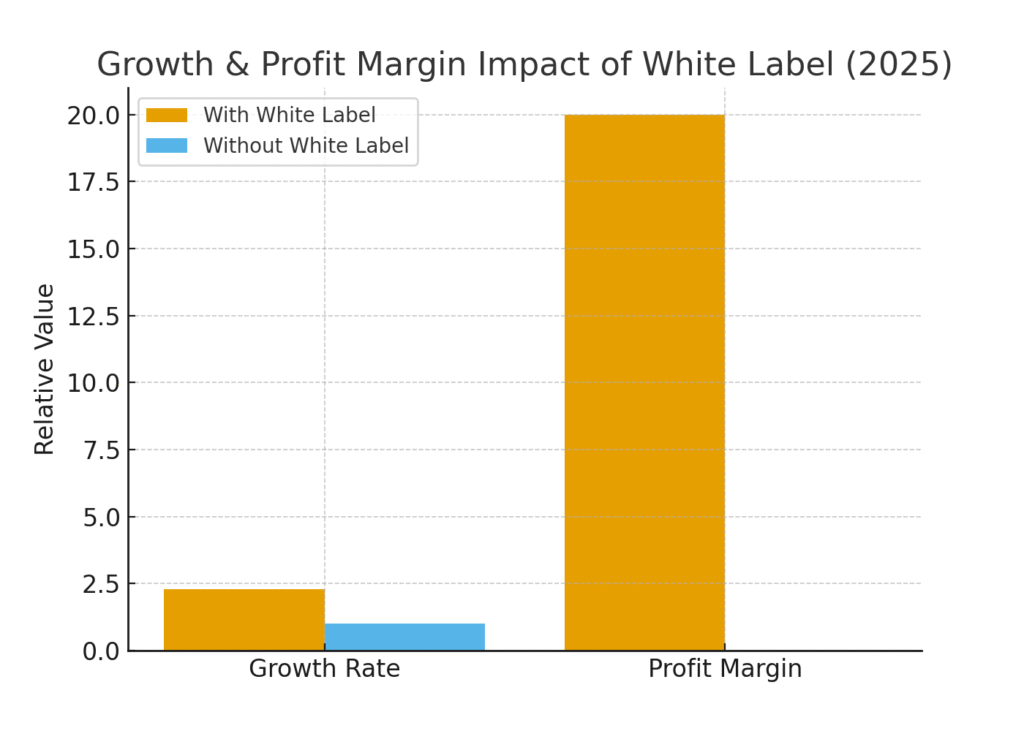
| 3 | 2.3× faster growth with white label | Agencies outsourcing 40–60% grow 2.3 times faster with 20% higher margins. |
| 4 | 42% higher client retention | White label agencies retain clients longer due to consistent service quality. |
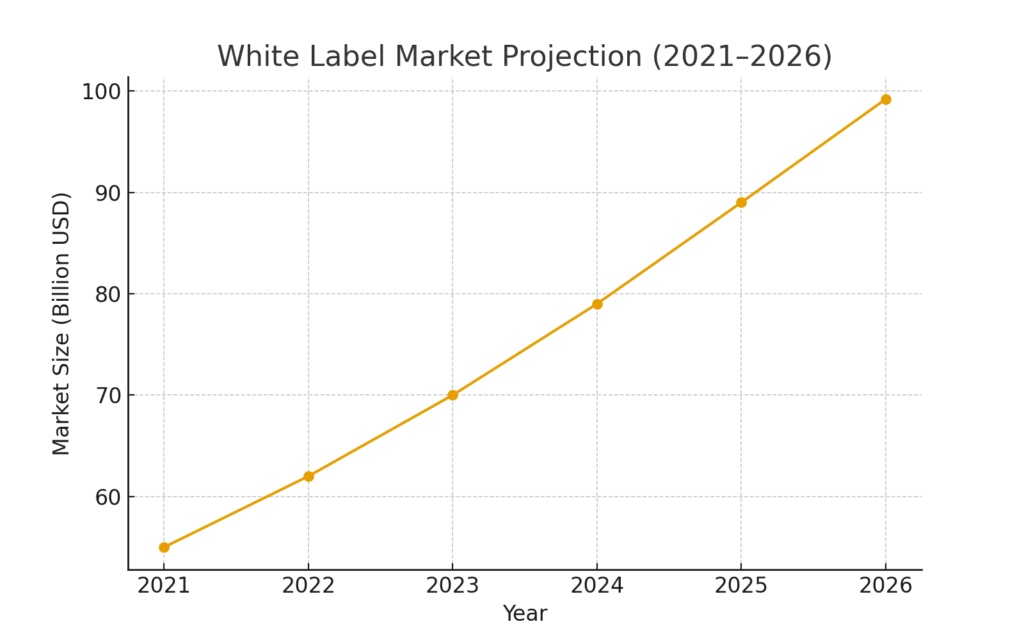
| 5 | $99.19 billion market by 2026 | The white label industry is projected to hit nearly $100 billion worldwide. |
| 6 | 13.1% CAGR in digital marketing | Global digital marketing, including white label, grows at a 13.1% CAGR. |
| 7 | 80% outsource at least one service | Most companies now rely on outsourcing, boosting demand for white label. |
| 8 | Marketing automation widely adopted | Automation tools have become a key feature of white label services. |
| 9 | Content creation is a main driver | Agencies outsource high-volume content to meet client needs efficiently. |
| 10 | Agencies expand portfolios without hires | White label enables service growth without costly internal recruitment. |
| 11 | Higher margins per service | Outsourcing boosts profitability by lowering delivery costs per service. |
| 12 | Faster go-to-market launches | Agencies introduce new services quickly via white label partnerships. |
| 13 | AI & omnichannel integration | Modern providers now include AI, video, and omnichannel strategies. |
| 14 | Improved acquisition & retention | Full-service offerings attract and retain clients more effectively. |
| 15 | Brand control is maintained | Deliverables carry the agency’s name, preserving trust and credibility. |
| 16 | Content boosts engagement | Case studies show major increases in reach and engagement via white label. |
| 17 | High demand in technical industries | Specialized fields rely heavily on outsourcing due to costly expertise. |
| 18 | Quality and trust are barriers | Agencies must vet providers to overcome quality and reliability concerns. |
| 19 | Growth in white label tools | Third-party tools are becoming essential alongside service outsourcing. |
| 20 | Private labels grow 3.9% faster | Store brands outpaced national brands in sales growth in 2024. |
Top 20 White Label Marketing Statistics 2025
White Label Marketing Statistics #1: 73% Of Agencies Use White Label Services
Around 73% of agencies have already integrated white label services into their offerings, showing how mainstream the practice has become. This reflects a growing recognition that outsourcing specific tasks can free up time and resources for core business areas. By leveraging white label partners, agencies can expand services without hiring new staff. This widespread adoption highlights the trust and confidence in the model. It also sets the stage for more agencies to follow suit in 2025.
White Label Marketing Statistics #2: 60% Of Agencies Outsource PPC Campaigns
More than 60% of agencies rely on outsourcing to scale their PPC campaigns effectively. Managing paid ads in-house requires significant expertise and resources, which can strain smaller teams. White label PPC providers allow agencies to deliver strong ROI without overextending. This helps maintain client satisfaction while keeping costs predictable. The statistic shows how essential outsourcing has become for competitive PPC success.
White Label Marketing Statistics #3: Agencies Grow 2.3× Faster With White Label Providers
Agencies that outsource 40–60% of their service delivery grow about 2.3 times faster than peers. They also enjoy profit margins that are 18–22% higher. This accelerated growth shows the financial advantage of working with experienced partners. Instead of reinventing the wheel, agencies can plug into proven expertise. White labeling has clearly become a growth engine rather than just a convenience.
White Label Marketing Statistics #4: 42% Higher Client Retention Through White Label
Surveys reveal that agencies using white label services see 42% higher client retention. Retaining clients is often more valuable than acquiring new ones, and white label helps agencies maintain consistency. Clients benefit from a wider service offering without needing multiple vendors. This convenience translates into loyalty and trust. It’s a testament to how white labeling strengthens long-term client relationships.
White Label Marketing Statistics #5: Market To Reach $99.19 Billion By 2026
The white label market is projected to hit $99.19 billion by 2026. This rapid expansion reflects rising demand across industries for outsourced solutions. Agencies increasingly prefer flexible partnerships instead of heavy in-house builds. The market growth rate, around 12.3% annually, is proof of its momentum. White labeling is becoming a standard part of business strategy worldwide.
White Label Marketing Statistics #6: Digital Marketing Industry Growing At 13.1% CAGR
The global digital marketing industry, which includes white label services, is growing at 13.1% CAGR. This expansion ensures more demand for scalable solutions like outsourcing. Agencies are recognizing the opportunity to tap into new technologies and tools through white label partners. With such growth, competition is also intensifying. White label strategies help agencies stay relevant in this fast-paced environment.
White Label Marketing Statistics #7: 80% Of Companies Outsource At Least One Marketing Service
Research shows 80% of companies outsource at least one part of their marketing. This underlines the normalization of outsourcing as a business practice. From SEO to content, companies see value in leaning on external expertise. White label partnerships fit perfectly into this trend. It’s no longer unusual—it’s expected.
White Label Marketing Statistics #8: Marketing Automation Tools Widely Adopted In White Label
White label services are increasingly integrating marketing automation tools. These tools help scale campaigns, monitor performance, and deliver consistent results. Agencies prefer providers with automation because it saves time and improves accuracy. This shows the evolution of white labeling into a more tech-driven model. Automation is fast becoming a core feature of outsourcing arrangements.
White Label Marketing Statistics #9: Content Creation Is A Primary Driver For White Label Adoption
Agencies frequently turn to white label partners for content creation. High-volume, consistent content is difficult to maintain internally without straining resources. White label content services provide blogs, graphics, and videos at scale. This helps agencies meet client demands without overworking their staff. Content continues to be one of the biggest reasons for outsourcing.
White Label Marketing Statistics #10: Agencies Expand Service Portfolios Without Costly Hires
White label marketing allows agencies to broaden their service lists without hiring full-time staff. This flexibility reduces overhead while still meeting client expectations. Agencies can introduce SEO, web design, or paid ads quickly under their own brand. The result is a stronger, more competitive offering. This stat highlights how white label minimizes financial risk while maximizing reach.
White Label Marketing Statistics #11: White Labeling Delivers Higher Margins Per Service
Outsourcing to white label providers often results in higher per-service margins. Agencies can offer specialized services without investing in new expertise. This increases profitability while keeping clients satisfied. It also makes it easier to compete with larger agencies. White label thus becomes both a financial and operational advantage.
White Label Marketing Statistics #12: Faster Go-To-Market For New Services
White label marketing enables agencies to launch new services quickly. Without needing months of training or recruitment, they can start offering new solutions almost immediately. This agility is crucial in a competitive industry. Clients appreciate having access to new services without delay. It ensures agencies stay ahead of market demand.
White Label Marketing Statistics #13: AI And Omnichannel Strategies Enter White Label Services
Modern white label providers now integrate AI, voice search, video, and omnichannel strategies. This ensures agencies remain competitive with the latest tools. Such offerings demonstrate that white label is evolving alongside industry trends. Agencies can therefore offer cutting-edge solutions without in-house R&D. It keeps them innovative while remaining cost-effective.
White Label Marketing Statistics #14: White Label Improves Both Acquisition And Retention
Agencies using white label services are better positioned for both client acquisition and retention. A full-service model attracts more clients than partial offerings. Once onboarded, clients stay because of the convenience and consistency. This dual benefit drives long-term growth. It makes white label a holistic solution for agency success.
White Label Marketing Statistics #15: Agencies Maintain Brand Control With White Label
White label solutions let agencies retain control over branding and tone. Deliverables are presented under the agency’s name, preserving credibility. Clients may never know that third parties are involved. This strengthens trust while giving agencies operational flexibility. Brand consistency is one of the strongest selling points of white labeling.
White Label Marketing Statistics #16: White Label Content Boosts Engagement Metrics
Case studies show that white label content significantly increases reach and engagement. Some agencies report hundreds of thousands of impressions and major boosts in social interactions. This highlights the effectiveness of outsourced content strategies. Agencies gain the ability to deliver measurable results. It validates white label partnerships as a performance driver.
White Label Marketing Statistics #17: High Demand In Technical Industries
Technical and specialized industries show strong demand for white label services. Expertise in these fields is expensive to maintain internally. Outsourcing allows agencies to serve clients without building niche skillsets in-house. This ensures clients still receive expert-level service. White labeling bridges the gap between expertise and affordability.
White Label Marketing Statistics #18: Quality And Trust Are Key Barriers
While white label services are growing, concerns around quality and brand fit remain. Agencies that carefully vet providers are more likely to succeed. Building trust with a partner ensures consistency in deliverables. This also reduces the risk of client dissatisfaction. The statistic highlights the importance of due diligence in outsourcing.
White Label Marketing Statistics #19: Growth In White Label Tools And Platforms
Agencies are increasingly using white label tools and platforms to support their operations. Building such tools in-house is costly and time-consuming. Third-party solutions provide ready-made systems that integrate seamlessly. This trend reflects the maturity of the white label ecosystem. Tools are becoming as vital as services in agency growth.
White Label Marketing Statistics #20: Private Label Brands Growing Faster Than National Brands
Consumer demand for private and white label products is also growing. In the grocery sector, private labels saw 3.9% sales growth in 2024. This was nearly four times faster than national brand growth. The trend shows that white label appeal extends beyond marketing into product categories. It underscores the broad potential of white labeling as a business model.
Wrapping Up the Power of White Label Marketing
Looking over these numbers, one thing is clear: white labeling isn’t just a passing trend, it’s becoming the backbone of modern digital growth. Agencies that embrace it are seeing better margins, faster service launches, and happier clients—and that’s exactly what success should look like. Personally, I believe the best part of white label partnerships is the flexibility: you can scale when you need to, without losing focus on your own creative edge. If there’s one takeaway, it’s that the agencies bold enough to adopt this model will be the ones shaping the future of marketing. And honestly, I’m excited to see how these shifts continue to inspire new ways of working together.
SOURCES
- https://spp.co/blog/white-label-reporting/
- https://www.thehoth.com/blog/white-label-link-building/
- https://dropinblog.com/blog/blog-and-content-marketing-statistics/
- https://www.loopexdigital.com/blog/linkbuilding-statistics
- https://www.cyfe.com/white-label-dashboard/
- https://www.marketerscenter.com/blog/white-label-guest-posts-the-ultimate-guide/
- https://www.swydo.com/features/white-label-reporting/
- https://recurpost.com/blog/digital-marketing-statistics/
- https://www.tapclicks.com/blog/white-label-analytics-reporting-dashboard
- https://www.seoptimer.com/blog/content-marketing-statistics/
- https://driveresearch.com/market-research-company-blog/white-label-market-research/
- https://agencyanalytics.com/feature/white-label
- https://www.vendasta.com/blog/white-label-reporting/
- https://www.jaspersoft.com/articles/what-is-white-label-reporting
- https://www.polymersearch.com/blog/white-label-reporting-tools